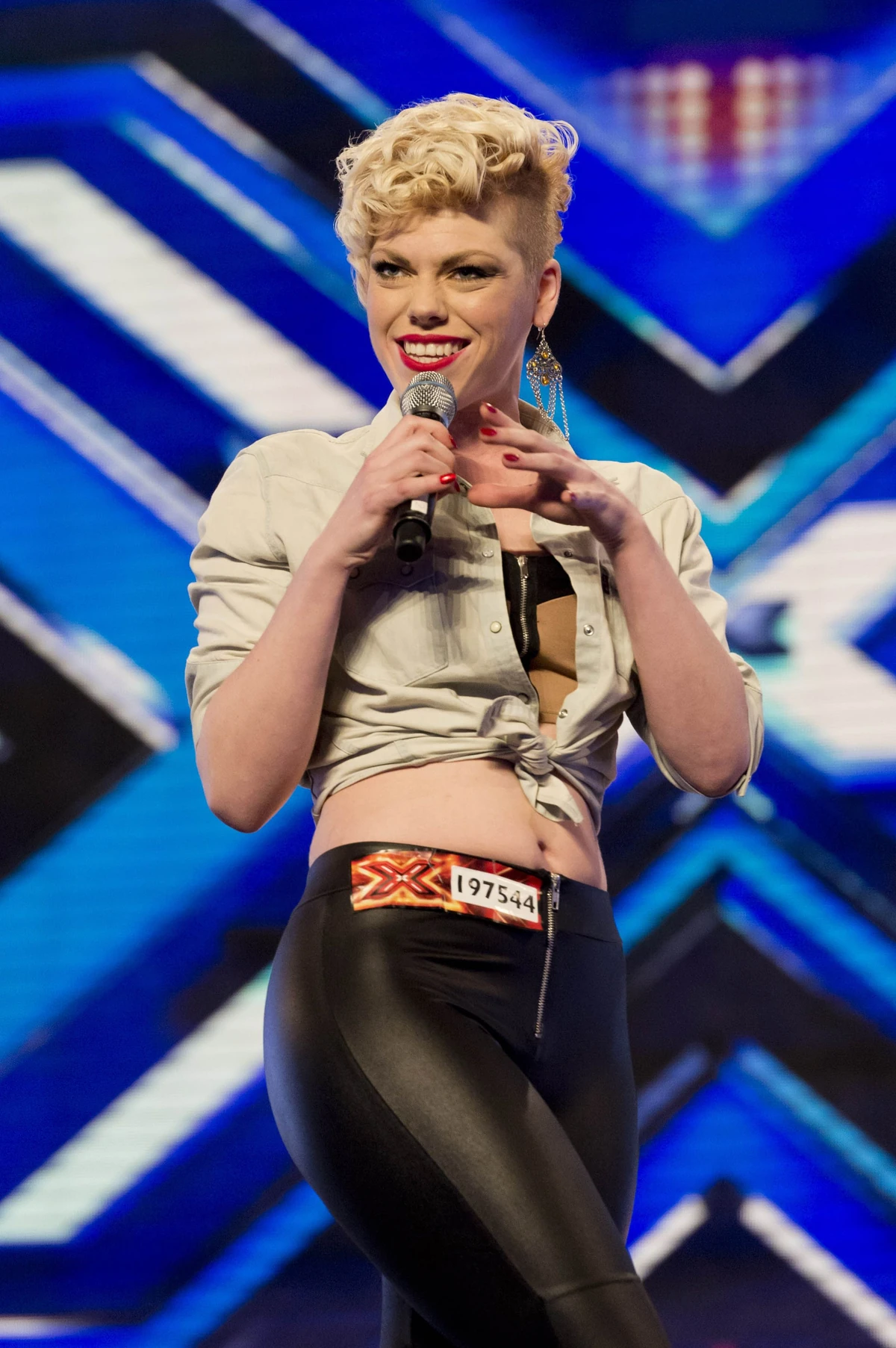
You probably remember the footage. It was 2012, and a blonde Pink tribute artist named Zoe Alexander stormed off the X Factor UK stage, threw her mic, and supposedly had a massive meltdown. It was the "viral moment" of the season. But if you think that was just a case of a diva losing her cool, you’re missing about 90% of the story.
Honestly, it's one of the darkest chapters in reality TV history.
For years, people just saw Zoe as the "angry Pink girl." But behind that 10-minute TV segment was a legal and emotional battle that lasted over a decade. Zoe Alexander didn't just walk away; she fought back. She claimed she was set up, manipulated, and basically used as a sacrificial lamb for ratings.
The Audition That Wasn't An Audition
Zoe was already a professional Pink tribute act. She didn't go to The X Factor to do her day job; she went there to find her own identity. Or so she thought.
According to Zoe, the producers spent weeks "advising" her (which is basically reality TV code for "telling her") what to do. She wanted to sing something different. They insisted on Pink. She wanted to wear her own clothes. They picked out a Pink-style outfit. By the time she stood on that stage, she was already being steered into a trap.
The judges—Gary Barlow, Tulisa, Louis Walsh, and Nicole Scherzinger—acted shocked when she sang a Pink song. They told her she lacked her own "identity."
Can you imagine?
Imagine being told for weeks by the staff to act like a specific person, only for the bosses to mock you for acting like that person. That's what triggered the explosion. It wasn't just a "bad day." It was the realization that she had been lured into a narrative designed to make her look like a "mixed-up idiot."
Did Zoe Alexander Actually Sue?
People often search for the "Zoe Alexander X Factor lawsuit," but the legal path was actually a bit more complicated than a standard court case.
Shortly after the audition aired, Zoe filed a formal complaint with Ofcom, the UK’s communications regulator. She wasn't just mad; she was accusing the show of "unfair treatment" and "infringement of privacy." She claimed the footage was "doctored" and that the judges' most biting remarks were edited out to make her reaction look even more unprovoked.
The Ofcom Ruling
In 2013, Ofcom delivered their verdict. They basically sided with ITV and the producers.
The regulator admitted that while producers had "advised strongly" that she sing a Pink song, they didn't technically "force" her. This is a classic legal loophole in reality TV. If you sign the contract, you're "consenting" to their "creative direction."
Ofcom also rejected the idea that she was portrayed as a "laughing stock." They claimed the show simply showed an "accurate version" of what happened.
The "Smoking Gun" Footage
Years later, Zoe took to YouTube to fight her own battle. In a series of videos that went massive, she broke down the footage frame by frame.
She pointed out things most of us missed:
- Audio cuts: Where the judges' questions don't match her answers.
- The "We got one" comment: There’s untransmitted footage where Gary Barlow says, "We needed one of those," and a producer replies, "We got one."
- The CGI allegations: Zoe even claimed that some footage of her father on stage looked digitally manipulated or edited to make him look more aggressive.
While some of the technical claims (like the CGI) were dismissed by Ofcom, the "we got one" comment is the part that sticks. It proves that the show was looking for a "villain" or a "breakdown" to boost their numbers. Zoe was just the person who walked into the crosshairs that day.
Why This Still Matters in 2026
We live in an era where we're much more aware of mental health. Back in 2012, we laughed at "crazy" contestants. Today, we call that exploitation.
Zoe’s life was basically ruined for a few years. She was alienated from her community in South Wales. She couldn't get work. She faced a wave of online hate before "cyberbullying" was a term everyone understood.
Her "lawsuit" and the surrounding fallout became a blueprint for other contestants. Since then, we've seen similar stories from Love Island and The Jeremy Kyle Show participants. Zoe was one of the first to stand up and say, "This isn't real, and it's hurting people."
The Turning Point
Interestingly, the tide finally turned in the early 2020s. YouTube creators like SunnyV2 and others did deep dives into her story. Suddenly, the "crazy girl" was the victim.
The X Factor eventually had to disable comments on her audition video. Then, they removed it altogether. They even took her out of those "Top 5 Angriest Contestants" compilations they used to milk for views.
It wasn't a win in a courtroom, but it was a win in the court of public opinion.
What You Can Learn From This
If you're ever thinking about going on a reality show, Zoe Alexander’s story is your biggest warning sign.
- The Contract is King: These shows have "all-encompassing" release forms. They can edit you to look like a saint or a sinner, and legally, you've usually agreed to it.
- "Advice" is a Directive: If a producer "strongly suggests" a song or an outfit, they are building a character for you. If you don't fit that character, you're the one who gets burned.
- Document Everything: Zoe survived the aftermath because she kept records and didn't let the narrative stay one-sided.
Zoe Alexander didn't get a massive payout. She didn't get an apology from Simon Cowell. But she did get her voice back. Today, she uses her platform to warn others about the "meat grinder" of reality television.
Next Steps to Protect Your Digital Reputation
If you've been unfairly portrayed online or are dealing with a public-facing dispute, your best move is to reclaim the narrative. Don't rely on traditional legal systems alone; often, the "truth" video on a platform you control is more powerful than a retracted article. Ensure you have copies of all original communications and contracts before engaging in a public rebuttal.
For those following the legalities of the entertainment industry, keep an eye on evolving Duty of Care laws in the UK and US, which are beginning to place more responsibility on broadcasters to protect the mental health of "non-professional" participants.