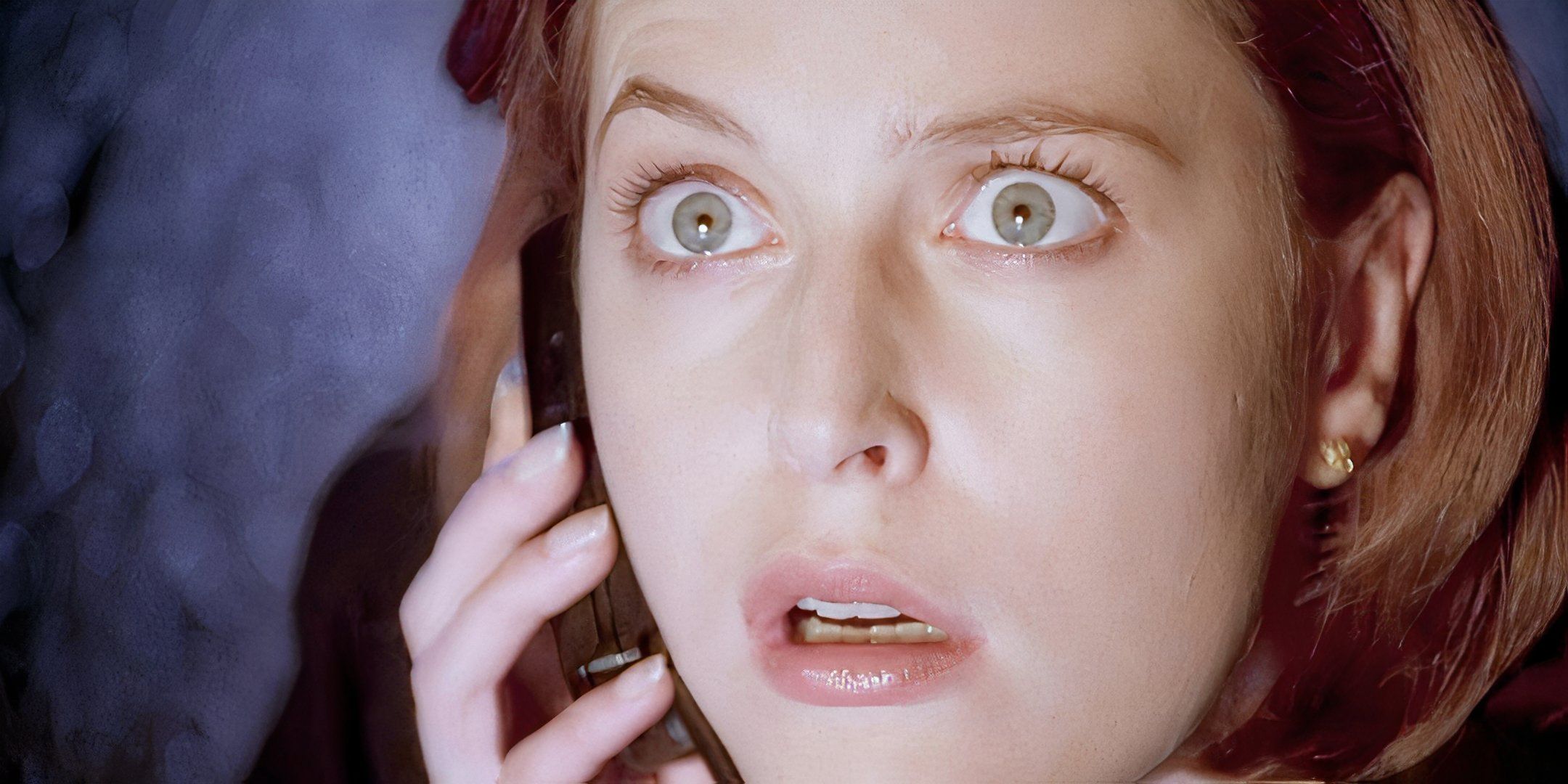
You remember that feeling when you first watched the pilot of 13 Reasons Why? Everyone was obsessed with the tapes. The drama. The tragedy of Hannah Baker. But tucked away behind the counter at Monet’s, wearing those signature space buns and a look of total "get me out of here," was Skye Miller.
Honestly, she was easy to overlook at first. Just the edgy barista, right? But as the show dragged us through the mud of Liberty High's toxic culture, Skye became something much more important. She wasn't just a side character. She was the "what if."
If Hannah Baker was the story of what happens when the world fails a girl, thirteen reasons why Skye Miller is the story of what happens when someone finally notices.
The Girl Who Wasn't on the Tapes
Here is the thing about Skye: she didn't get a tape. In the original Jay Asher book, she’s barely there—just a girl Clay used to know in middle school who seems to be heading down a dark path. The Netflix series, though, gave her a heartbeat. Played by Sosie Bacon (yep, Kevin Bacon's daughter, and she’s incredible), Skye represents the silent struggle that doesn't always end in a dramatic box of cassettes.
Most people focus on the "thirteen reasons" for the ending of a life. But Skye is the reason for the continuation of one.
She was a loner by choice—or maybe by necessity. She had the tattoos, the piercings, and that defensive wall built ten feet high. Clay Jensen, still reeling from Hannah’s death, starts to see the parallels. He sees the withdrawal. He sees the self-harm. And for the first time, he doesn't just sit there. He reaches out.
Why Skye and Clay's Relationship Was So Messy
Season 2 tried to give them a real shot. It was "kinda" hopeful but mostly just heartbreaking to watch. They started dating, but it wasn't a fairytale. Clay was literally hallucinating Hannah’s ghost while trying to be with Skye. Talk about baggage.
There’s a specific scene that hits like a ton of bricks. They’re at Clay's house for dinner, and Skye is trying so hard to be "normal." But she’s drowning. She’s struggling with what we later find out is Bipolar Disorder. Clay wants to "save" her—which, let's be real, is a huge mistake people make. You can't save someone; you can only support them.
When Skye realizes Clay is still in love with a dead girl, she spirals. It leads to a suicide attempt and her eventual hospitalization. It was a brutal reality check for the audience. Loving someone with mental illness isn't just about holding hands; it’s about the messy, terrifying stuff that happens behind closed doors.
The Bipolar Disorder Reveal
The show took a lot of heat for how it handled suicide, but its portrayal of Skye’s diagnosis was actually pretty nuanced. In Season 2, we find out Skye has Bipolar Disorder. This wasn't just "teen angst" or "being moody." It was a chemical reality.
- The Hospitalization: Skye didn't just disappear. She went to a facility.
- The Hard Choice: She eventually decides to leave Liberty High. She moves to a new state to live with her aunt and uncle.
- The Breakup: She breaks up with Clay. Not because she doesn't love him, but because she needs to be healthy.
That was a huge moment for the show. It taught a generation of viewers that sometimes, the most romantic thing you can do is let someone go so they can heal. Skye knew that as long as she was with Clay, she was a replacement for Hannah. She deserved to be more than a ghost's stand-in.
The Impact of Sosie Bacon’s Performance
Can we talk about Sosie for a second? She brought this raw, jagged energy to the role. Before she was terrifying us in Smile (2022), she was giving us the most honest look at self-harm the show ever produced.
A lot of fans forget that Skye was actually on Hannah’s original list of people who "mattered." She wasn't an enemy. She was just another girl trying to survive the same shark tank. Skye’s honesty about her pain was the polar opposite of Hannah’s secrecy. Skye wore her scars—literally—while Hannah hid hers until it was too late.
What Skye Miller Taught Clay (and Us)
If you look at the series finale, Clay’s journey ends with him finally being able to talk about his own mental health. He sees a therapist. He admits he’s not okay.
He wouldn't have gotten there without Skye.
She was the first person to call him out on his "hero complex." She told him he couldn't fix her. That realization is what eventually allowed Clay to process his grief over Hannah. Skye was the bridge between Clay’s guilt and his recovery.
Basically, Skye Miller is the "survivor" narrative that the show desperately needed. While the tapes were about the past, Skye was about the future. She showed that you can get help, you can move away, and you can start over. Even if you're "the girl with the tattoos" that everyone whispers about in the hallway.
Actionable Takeaways from Skye’s Arc
If you’re revisiting the show or just thinking about Skye’s impact, there are some real-world lessons here that actually matter:
- Notice the "Quiet" Ones: Not everyone who is struggling will leave a tape. Sometimes they just stop showing up to the coffee shop.
- Support Isn’t Saving: You can love someone deeply and still not be the person who can fix them. Professional help (like the facility Skye went to) is often necessary.
- Self-Care is Selfish (In a Good Way): Skye’s decision to move away and focus on her treatment is the healthiest thing any character did in that entire four-season run.
- Labels Aren’t Everything: Skye was "the freak" to some, but to Clay, she was a person. Looking past the "alternative" exterior is basic empathy.
Skye Miller might not have been the face of the marketing campaign, but she was the soul of the show's message. She proved that the story doesn't have to end at the cemetery. You can choose to leave the town that broke you and find a place where you can breathe again.
If you're looking for more info on how the show's portrayal of mental health evolved, you might want to look into the "13 Reasons Why" resources provided by organizations like Jed Foundation or AFSP. They've done a lot of work analyzing the impact of characters like Skye on real-world teen mental health.
Next, you could look into the specific clinical differences between how the show portrayed Skye’s Bipolar Disorder versus Hannah’s depression to see how accurately the writers captured those experiences.