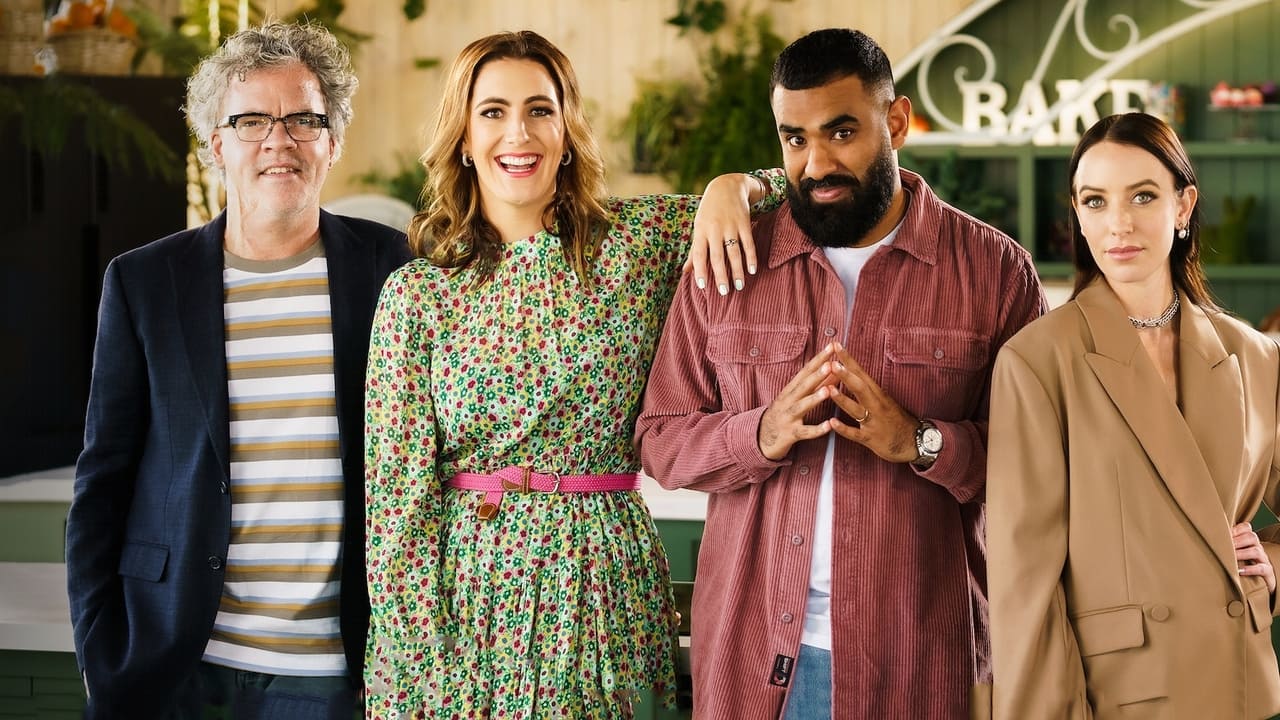
Television is usually loud. It’s full of manufactured drama, people screaming about alliances, and reality stars throwing drinks across a marble countertop. But then there’s The Great Kiwi Bake Off. It’s basically the TV equivalent of a warm hug and a cup of tea on a rainy Tuesday in Wellington. Honestly, it’s a bit of a miracle that it works so well in a world obsessed with conflict.
The show, which first popped up on TVNZ back in 2018, follows the classic Love Productions format we all know from the British original. Ten or twelve amateur bakers. One giant white tent. An absurd amount of buttercream. While the UK version has gone through some major identity shifts over the years, the New Zealand iteration has managed to keep things feeling remarkably local. It doesn't feel like a global franchise being shoved into a Kiwi mold. It feels like a Saturday morning at the local A&P show, just with much better lighting and professional-grade ovens.
What makes The Great Kiwi Bake Off feel different?
It’s the vibe. If you’ve ever watched MasterChef NZ, you know it can get pretty intense. There’s a lot of sweating over tweezers and reduction sauces. The Great Kiwi Bake Off stays away from that edge. When someone’s sponge collapses or their ganache splits, the other contestants don't smirk or plot. They actually run over to help.
That’s the "Kiwi" part of the title. It’s not just a brand. It’s a reflection of that specific New Zealand brand of modesty and community. You see it in the way the judges—currently the iconic Jordan Rondel (The Caker) and Peter Gordon—give feedback. They aren't there to tear people down for a viral clip. They genuinely want the cake to taste good. Peter Gordon, in particular, brings this incredible depth of fusion knowledge, while Jordan brings a modern, aesthetic edge that reflects how baking has changed in the Instagram era.
The casting is also consistently spot on. They don't just pick the best bakers; they pick the most interesting humans. We've seen grandmas, students, foresters, and lawyers. It’s a cross-section of the country that you rarely see represented in scripted TV.
The hosts: From comedy to chemistry
The show has seen a few changes in the hosting department. Originally, we had the comedic duo of Madeleine Sami and Hayley Sproull. They set the tone early on: irreverent, slightly chaotic, and deeply supportive. Lately, we've seen Pax Assadi take the reins alongside Hayley.
Pax brings a different energy. It's self-deprecating. It's fast. The "pun game" is a staple of the format, of course, but the New Zealand hosts tend to lean into the cringe factor in a way that feels very self-aware. They know the puns are bad. We know the puns are bad. That’s why we’re all here.
Behind the scenes of the tent
People always ask where the show is filmed. Most of the seasons have taken place at the beautiful Parihoa Farm in Muriwai. If you’ve seen those sweeping shots of the rugged coastline and the green hills, that’s not CGI. It’s the wild West Coast of Auckland.
The weather is a character itself.
In some seasons, you can see the bakers visibly shivering as they try to temper chocolate in a drafty tent. In others, the Auckland humidity is so thick that no amount of gelatin can save a mousse. It adds a layer of genuine "kiwiana" struggle. You aren't just fighting the clock; you're fighting the Tasman Sea’s temper tantrums.
Technical challenges and the "Whoops" moments
Every episode follows the three-step ritual:
- The Signature Bake (What you’d bake at home).
- The Technical Challenge (The "blind" recipe that causes the most panic).
- The Showstopper (The architectural marvel made of sugar).
The Technical is where the real skill shows. When Peter Gordon asks for a traditional Māori bread or a complex European pastry with only three lines of instructions, you see the panic in their eyes. There's no Google. No cookbooks. Just instinct.
I remember specifically the "Kiwi Classics" challenges. Making a lolly cake or a Pavlova sounds easy until you have to do it to a professional standard under a time limit. The Pavlova, in particular, is the ultimate Kiwi baking test. It’s a nightmare of structural integrity. One wrong move with the sugar or a humid breeze through the tent door and your "cloud" becomes a puddle.
Why the 2024 and 2025 seasons changed the game
Recent seasons have leaned harder into New Zealand’s cultural identity. We’re seeing more ingredients like kawakawa, horopito, and feijoa being used in sophisticated ways. It’s not just about scones anymore. The bakers are reflecting a more diverse New Zealand.
The shift toward "The Great Kiwi Bake Off" being a platform for modern NZ food culture is largely thanks to the judging panel. Jordan Rondel didn't come from a traditional French pastry background; she started a cake business in Auckland that grew into an international brand. Her presence tells the bakers—and the audience—that baking can be cool, messy, and creative, not just stiff and formal.
The "Star Baker" curse?
Is there a Star Baker curse? Not really. Unlike other reality shows where winning early makes you a target, here it just seems to give people a confidence boost that leads to even better bakes.
Winning The Great Kiwi Bake Off doesn't usually result in a massive cash prize or a Las Vegas residency. Instead, winners like Annabel Dickinson or Alby Hailes have gone on to write cookbooks, start food businesses, or simply return to their lives with a lot more followers on social media and a very cool trophy. It’s low stakes in the best way possible.
How to bake like a contestant (The real secrets)
If you're sitting on your couch thinking, "I could do that," you might be right. But there are things the cameras don't always emphasize that make a huge difference.
- Temperature is everything. In a tent, you don't have climate control. If your butter is too soft, your pastry is ruined. Kiwi bakers have learned to use ice baths for everything.
- The "Crumb Coat" is non-negotiable. You’ll notice the judges get annoyed if they see crumbs in the frosting. A quick chill in the fridge after a thin layer of icing is the difference between amateur and "Star Baker" material.
- Flavor over fluff. Peter Gordon will forgive a slightly wonky cake if the flavor profile is incredible. If you use too much essence instead of real fruit or spices, he'll catch it immediately.
- Practice the basics. You can't build a 3D biscuit tower if you don't know how to make a solid gingerbread.
What most people get wrong about the show
A common misconception is that the show is "faked" or that the bakers get help. They don't. The production team is strict. Once the clock starts, the bakers are on their own. The only "help" they get is the occasional moral support from a host or a producer making sure they haven't accidentally set their bench on fire.
Another thing? The food doesn't go to waste. After the judges have had their fill and the cameras stop rolling, the crew and the other bakers descend on those cakes like a pack of seagulls at the beach. Nothing survives.
The future of baking in Aotearoa
As we move further into the mid-2020s, the show is evolving. There's a bigger focus on sustainability. We're seeing more plant-based challenges and discussions about where ingredients come from. It's a reflection of how Kiwis are eating now.
The Great Kiwi Bake Off remains a ratings juggernaut because it provides something rare: a sense of safety. In a news cycle that is often exhausting, watching someone successfully pipe a rose out of buttercream feels like a win for humanity. It reminds us that we can be kind, even when we're competing.
Actionable insights for fans and aspiring bakers
If you’re inspired to take your own baking to the next level or just want to engage more with the show, here is how to actually do it:
1. Master the "Kiwi" flavors
Start experimenting with indigenous ingredients. Try adding a hint of lemon-myrtle or kawakawa to a shortbread. Use seasonal stone fruits from Central Otago. The judges always reward bakers who have a sense of "place" in their food.
2. Follow the "Bread Week" rules
Bread is consistently the downfall of many contestants. If you want to improve, learn the science of yeast and proofing. New Zealand's variable humidity makes bread difficult, so learning how to "read" the dough rather than just following the clock is a professional-level skill.
3. Watch for the "Signature" style
Don't try to copy the British style exactly. The most successful Kiwi bakers are those who bring their own heritage to the table. Whether that’s Pasifika flavors, traditional Dutch techniques, or South Island comfort food, authenticity usually wins over technical perfection.
4. Host your own "Technical" night
Get a friend to pick a recipe you've never seen, strip out the specific instructions (like oven temps or timings), and try to bake it. It’s the fastest way to learn how to troubleshoot in the kitchen.
5. Stay updated on casting
If you actually want to be on the show, TVNZ usually opens applications several months before filming begins. They look for "amateurs"—if you have professional culinary training, you're usually disqualified. They want people who bake for the love of it, not for a paycheck.
The show isn't just about cake. It’s about the people who make it and the small, sweet moments that happen when things go right. In a world that feels increasingly fragmented, the white tent at Parihoa remains a place where everyone is rooting for you to succeed. That’s why we keep tuning in.