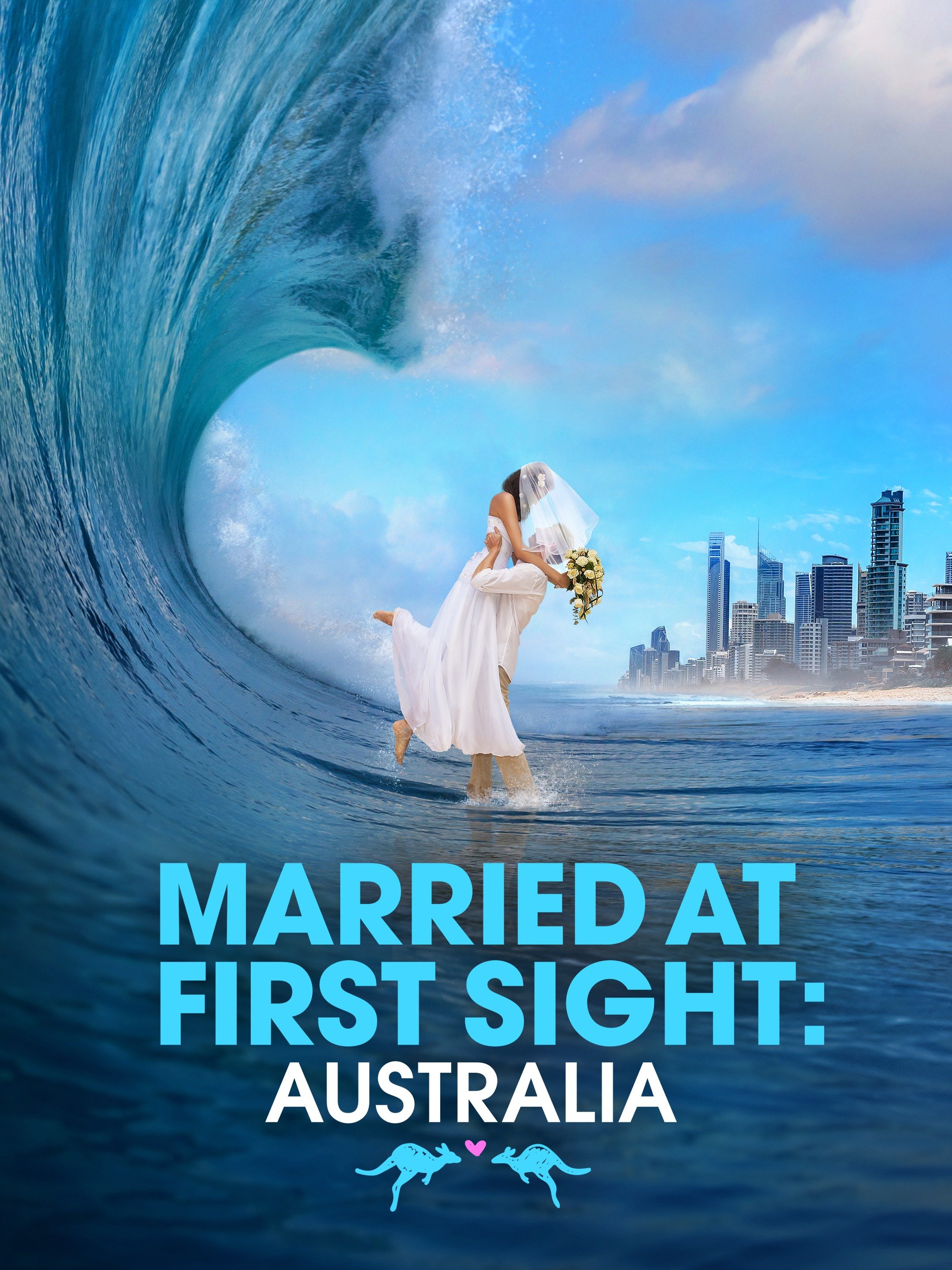
You’ve seen the dinner parties. You’ve definitely seen the wine throws. If you’ve spent any time on social media over the last decade, it’s almost impossible to escape the gravitational pull of Married at First Sight Australia. It isn't just a TV show anymore; it’s a cultural phenomenon that somehow manages to make the US and UK versions look like a quiet afternoon tea at a retirement home.
But why?
The premise is inherently ridiculous. Two strangers, matched by "experts" who seem to have a penchant for chaos, meet for the first time at the altar. They aren’t actually legally married—thanks to the Australian Marriage Act of 1961 which requires a month and a day's notice—but for everyone watching at home, the stakes feel incredibly real. It is a high-pressure social experiment that usually ends in tears, shouting matches, and the occasional genuine love story that makes you forgive the previous ten weeks of toxicity.
The Secret Sauce of the MAFS AU Format
Unlike the American version, which follows a few couples over a long period in a relatively "grounded" way, Married at First Sight Australia operates more like a soap opera on steroids. The producers figured out a long time ago that putting everyone in the same apartment complex in Sydney is a recipe for disaster. Or gold. Usually both.
The Dinner Parties are the engine room of the show. This is where the private grievances of a dozen different "marriages" are aired out over expensive catering and too much Sauvignon Blanc. It’s fascinating to watch how the group dynamic shifts. One week, everyone is ganging up on a "villain," and the next, that person is being defended because someone else did something even more egregious. It’s high school politics with adult consequences.
Then you have the Commitment Ceremonies. This is where the experts—currently John Aiken, Mel Schilling, and Alessandra Rampolla—actually earn their keep. Or, as some fans argue, where they stir the pot. Sitting on that couch and being grilled about your intimacy (or lack thereof) in front of your peers is a special kind of hell. But it's also where the show's most famous moments happen. Remember when Cyrell confronted Martha about the rumors? Or when Olivia took Domenica’s photo? These aren't just TV moments; they are the reasons the show dominates the ratings every single year.
It Isn't Just About the Drama (Mostly)
Look, honestly, we all say we watch for the love, but the "villain edits" are what keep the lights on. However, if the show was only about people screaming at each other, it would have burnt out years ago. There’s a weirdly wholesome undercurrent that pops up just when you’re about to lose faith in humanity.
Take Jules and Cam from Season 6. They were the gold standard. From the moment they met, it was clear the experts actually got it right for once. Watching them grow from strangers to a real family with a kid and a house provides the necessary "proof of concept" that keeps the audience coming back. Without the success stories, the show is just a cruel trick. With them, it's a "journey."
The inclusion of Alessandra Rampolla, a clinical sexologist, changed the vibe significantly a few seasons back. She brought a level of frankness about physical intimacy that the show was sorely lacking. It moved the conversation away from just "do you like each other?" to "why aren't you connecting on a biological level?" It added a layer of psychological depth that makes the show feel slightly more legitimate, even when someone is getting "glassed" with a prosecco flute two rooms away.
Why the Rest of the World Can't Get Enough
When the COVID-19 pandemic hit, the UK started airing the Australian version because they couldn't film their own. It blew up. The British audience, used to their own more polite, structured version, was absolutely floored by the sheer audacity of the Aussies.
The Australian cast members generally seem more "game" for the cameras. There’s a specific type of Australian honesty—brutal, loud, and often unfiltered—that translates incredibly well to reality TV. You don't get the same level of curated "influencer" behavior that you see on Love Island. Or, at least, the MAFS cast is worse at hiding it. By the time they get to the Final Vows, you’ve seen them at their absolute worst. You've seen them hungover, you've seen them crying in a hoodie at 3 AM, and you've seen them try to navigate a "Home Stay" with a mother-in-law who clearly hates them.
The "Expert" Problem
We have to talk about John, Mel, and Alessandra.
There is a constant debate among fans about how much the experts actually know. Often, they sit in their little observation room watching the dinner party through a monitor, gasping at things they surely must have known were happening. Critics often point out that the experts seem to ignore red flags in favor of keeping "good TV" couples in the experiment.
For example, when a contestant writes "Stay" despite their partner clearly being miserable, the experts often encourage them to "work through it." In the real world, that’s called a toxic relationship. In Married at First Sight Australia, it’s a Tuesday. This creates a moral gray area that is a huge part of the show's discourse. Are the experts there to help, or are they there to facilitate the drama? The answer is likely somewhere in the middle. They provide genuine psychological insights while also knowing exactly which buttons to push to get a reaction for the Sunday night promos.
The Evolution of the Reality "Villain"
The show has mastered the art of the multi-dimensional villain. In the early seasons, the "bad guys" were fairly one-note. Now, thanks to social media and the "Influencer-to-Reality-Star" pipeline, the contestants are more savvy. They know how they’re being portrayed.
This has led to some of the most complex seasons of television ever produced in the country. You have people like Harrison Boon or Bryce Ruthven, who became lightning rods for public outcry. The conversations surrounding these contestants often move beyond the show and into real-world discussions about gaslighting, emotional manipulation, and how we view men and women differently in conflict.
Whether the show intends to be a mirror to society or not, it definitely ends up being one. The "Cody and Selina" incident or the "Domenica and the OnlyFans photo" scandal sparked nationwide debates about racism and slut-shaming. It's rare for a reality show to have that much cultural weight.
Production Secrets: What You Don't See
It's easy to forget that for every hour of footage we see, there are hundreds of hours of boredom. Contestants have spoken out about the grueling filming schedule. Dinner parties often start in the afternoon and don't finish until 3 or 4 in the morning. By the time that final "explosive" argument happens, everyone is exhausted, hungry, and has been drinking for ten hours. It’s a pressure cooker by design.
The apartments aren't just homes; they are sets. They are rigged with cameras and microphones everywhere except the bathrooms. Imagine trying to build a relationship with a total stranger while a sound guy is hovering three feet away and a producer is asking you, "So, how did it feel when he didn't do the dishes?" It's a miracle any of these couples stay together for more than a week.
The Financial Reality of the Show
Interestingly, the contestants aren't paid a "salary" in the traditional sense. They get a daily allowance to cover their expenses while they aren't working, but it’s not a windfall. The real money comes afterward.
The "MAFS-to-Influencer" pipeline is real. A successful stint on the show can lead to brand deals, podcast launches, and appearances on other reality shows like I'm A Celebrity... Get Me Out Of Here! or Celebrity Apprentice. For many, the goal isn't actually to find a spouse; it's to find a career. And honestly? Can you blame them? Spending three months being yelled at on national television deserves some kind of financial payoff.
Is It Ethical?
This is the big question that looms over Married at First Sight Australia every year. When does entertainment cross the line into exploitation?
The show has faced significant criticism regarding the mental health support provided to contestants. While the production company, Endemol Shine, insists that they provide psychologists and ongoing support, many former cast members have told a different story. The transition from "normal person" to "most hated person in Australia" is a brutal one, and not everyone is equipped to handle it.
However, the ratings don't lie. Every year, people claim they are "done" with the show, and every year, millions of people tune in to see the next batch of hopefuls (or fame-seekers) walk down the aisle. We are drawn to the mess. We are drawn to the relatability of a bad date, magnified by a thousand.
What to Look for in Upcoming Seasons
As we move deeper into the mid-2020s, the show is having to reinvent itself to stay ahead of a cynical audience. We’re seeing more diversity in the casting—not just in terms of ethnicity, but in terms of age and life experience. The "older" couples often provide the most grounded and moving storylines, acting as a much-needed palate cleanser for the 24-year-old Instagram models who are just there to increase their follower count.
The production is also getting faster. The editing is snappier, the cliffhangers are more frequent, and the integration of social media into the show's narrative is seamless. They know we’re watching with a phone in our hand, ready to tweet (or "X") our thoughts the second something happens.
Real Steps for Fans and Critics Alike
If you’re someone who watches the show or is thinking about diving into the back catalog, there are a few ways to make the experience better and more "ethical" as a viewer:
- Watch with a grain of salt. Understand that "The Edit" is a very real thing. Someone who looks like a monster might just be someone who had a very bad day and a very clever editor.
- Don't pile on social media. It’s fun to discuss the show, but sending direct messages or harassment to contestants is a line that shouldn't be crossed. They are people, not just characters.
- Look for the small moments. The best parts of MAFS AU aren't always the screaming matches. It's the small, quiet conversations where two people actually realize they have something in common.
- Follow the after-show podcasts. Many contestants (like Domenica and Ella or Olivia Frazer) have their own platforms now where they explain the "behind the scenes" context of what actually happened during certain scenes. It adds a whole new layer to the viewing experience.
- Check the success rate. If you’re feeling cynical, look up the couples who are still together. It’s a surprisingly short list, but the ones who made it—like Martha and Michael or Kerry and Johnny—are genuinely heartwarming to follow.
Married at First Sight Australia isn't going anywhere. It’s the perfect storm of human psychology, high-stakes drama, and top-tier production value. Whether you love it or hate it, you have to admit: there’s nothing else quite like it on TV. It’s messy, it’s loud, it’s occasionally problematic, but it is undeniably addictive. Just don't expect a wedding invite for a real ceremony anytime soon.