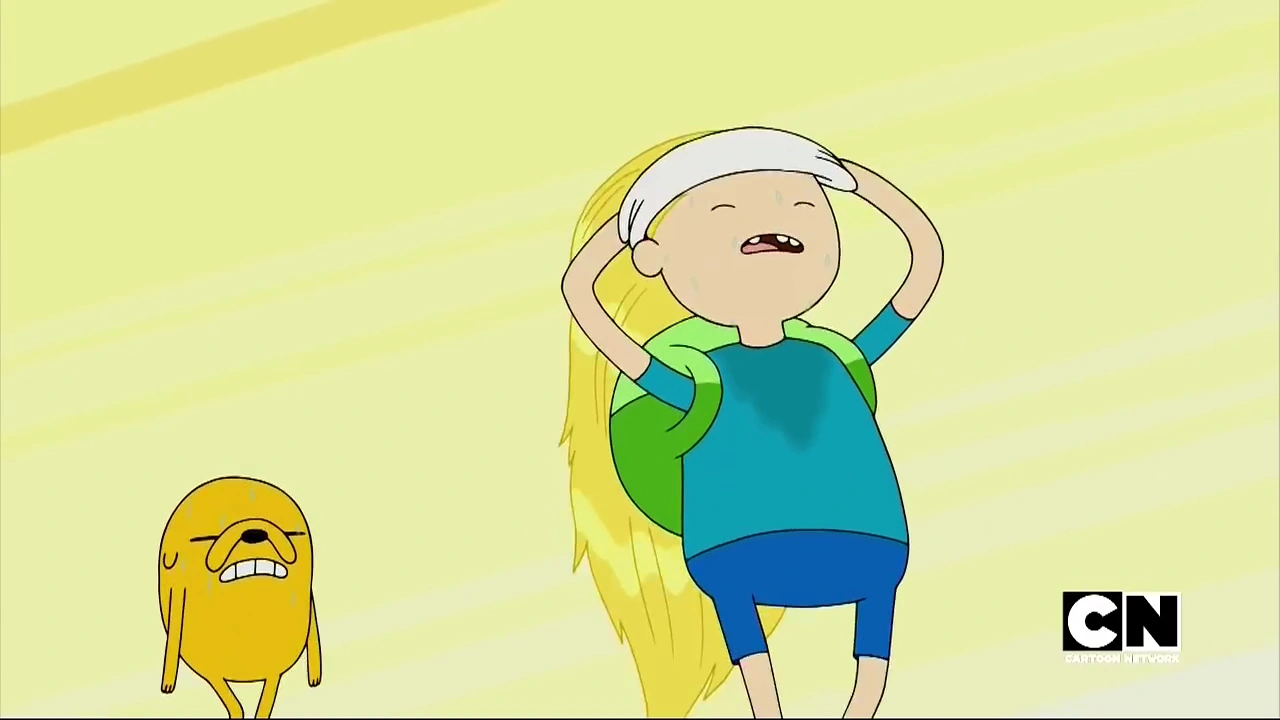
Everyone remembers the first time it happened. It was "To Cut a Woman's Hair." Before that episode, Finn’s bear-eared headgear was basically a part of his skull. It never moved. It never came off. Then, suddenly, the hat is gone, and this massive, cascading waterfall of golden hair spills out. It was a shock. It was weirdly beautiful. Honestly, it changed how we looked at the character forever.
Watching Finn without his hat isn't just about a character design change. It’s a recurring motif that the showrunners at Cartoon Network used to signal vulnerability, aging, and a shedding of the "adventurer" persona. Most fans just think he has nice hair. But if you look closer at the episodes directed by Larry Leichliter or written by Pendleton Ward, the absence of that white fleece usually happens when Finn is at his most raw.
He’s a kid trying to be a hero. The hat is his armor. Taking it off is like a knight removing his helmet in the middle of a battlefield. It’s dangerous. It’s personal.
The Shock Value of the Golden Locks
Let’s talk about that hair. In the early seasons, the contrast was hilarious. You have this scrawny, high-pitched kid in a blue shirt, and then he reveals a mane that would make a romance novel cover model jealous. The animators intentionally made it look out of place. It was too "pretty" for the Land of Ooo.
- In "To Cut a Woman's Hair," the hair is a literal plot device.
- Finn needs to help a Tree Witch, and his hair is the sacrifice.
- By the end of the episode, he’s bald.
It grew back, of course. It always does. But every time we see Finn without his hat in later seasons, like Mortal Folly or Billy's Bucket List, the hair is used to show time passing. Adventure Time was one of the few Western cartoons that actually let its protagonist age in real-time. Jeremy Shada’s voice cracked and deepened, and Finn’s hair grew longer, shorter, and eventually turned into the wispy, mature look we see in Together Again.
Symbolism of the Bear Hat
The hat itself has a weirdly deep lore. Did you know it’s actually made of bear skin? Specifically, a polar bear. This was confirmed in the Adventure Time Encyclopedia (written by Martin Olson, who plays Hunson Abadeer). It’s not just a fashion choice. In a post-apocalyptic world, a kid wearing the skin of a predator he likely didn't kill himself suggests a need for protection.
When we see Finn without his hat, we see the boy underneath the legend.
Think about the episode "Little Dude." The hat literally comes to life and starts causing chaos. This implies that the hat has a spirit or an identity of its own. When Finn is wearing it, he is "Finn the Human," the hero of Ooo. When he’s not? He’s just a guy. He’s a teenager dealing with heartbreak over Flame Princess or existential dread about his biological father, Martin Mertens.
Evolution Through the Seasons
The frequency of Finn appearing hatless increased as the show got more psychological. Early on, it was a "reveal." By the time we get to the Islands miniseries, it’s just... natural. We see him in his pajamas. We see him swimming.
- Season 2: The hair is a joke/reward.
- Season 5: The hair represents his transition into adolescence.
- Season 8/9: The hat becomes optional, showing his comfort with his own identity.
There’s a specific scene in "The Tower" where Finn is building a literal space elevator out of pure spite and psychic arm-power. He’s hatless for much of that sequence. His hair is messy. He looks unhinged. That’s the point. The hat represents the "Rules of Being a Hero." Without it, Finn is capable of being darker, angrier, and more human.
The Loss of the Arm vs. The Loss of the Hat
Interestingly, the show often pairs physical changes with Finn's appearance. The loss of his right arm is a huge deal, obviously. But notice how often his hat is missing during those traumatic transitions. When he loses his arm in the Citadel, he is exposed. He is vulnerable. The show uses his golden hair to soften the blow of the violence. It reminds the audience that despite his strength, he is still just a child of the "Mushroom War" aftermath.
Why Fans Are Still Obsessed
If you go on Reddit or Tumblr, you’ll still find fan art dedicated specifically to Finn without his hat. Why? Because it’s the most "human" version of him. In a world full of candy people, vampires, and talking dogs, Finn’s hair is one of the few things that grounds him in our reality. It grows. It gets cut. It changes texture.
It’s also a bit of a gender-bending moment for some viewers. Finn is a "boy's boy" in many ways—he loves fighting and adventure. But his hair is coded as traditionally feminine: long, flowing, and beautiful. By embracing his look without the hat, the show subtly tells kids that you don't have to fit into a specific box to be a hero. You can have beautiful hair and still punch a lich in the face.
Real-World Production Details
According to interviews with Adam Muto, the decision to give Finn such long hair was partly to provide a visual surprise. They wanted something that felt "mythic." They succeeded. They also used it to distinguish between different versions of Finn. Farmworld Finn, from the alternate reality, has a different relationship with his hat. It’s those tiny details that make the Ooo lore so sticky for adults and kids alike.
Key Episodes to Rewatch
If you want to track the evolution of Finn’s "hatless" journey, you need to watch these specific beats.
- "To Cut a Woman's Hair" (Season 2, Episode 10): The grand reveal. The gold standard.
- "Billy's Bucket List" (Season 5, Episode 52): Shows a more mature Finn taking risks.
- "The Tower" (Season 6, Episode 4): A dark look at Finn’s psyche where the hat is secondary to his grief.
- "Minerva & Finn" (Season 8, Episode 26): A deeply emotional moment where he connects with his mother.
Honestly, the show would have been less impactful if Finn stayed under that fleece hat forever. We needed to see him grow up. We needed to see the tangles and the split ends. It made his eventual transformation into the grizzled adult Finn in the Distant Lands special feel earned.
Actionable Takeaways for Fans and Creators
If you’re a writer or an artist, there is a massive lesson to be learned from how Adventure Time handled Finn’s appearance.
- Use Visual Shorthand: Changing a character’s iconic silhouette (like removing a hat) should always mean something. Don’t do it for no reason. Use it to signal a change in the story's "temperature."
- Embrace Vulnerability: Let your "tough" characters have a soft physical trait. For Finn, it was his hair. It makes them more relatable and creates a stronger emotional bond with the audience.
- Show, Don't Just Tell, Aging: Don’t just say "three years later." Change the character’s hair length. Change their posture. Let the audience see the time passing on their bodies.
- Contrast is King: The "ugly" world of Ooo made Finn’s "beautiful" hair stand out more. Use your environment to highlight specific traits of your protagonist.
Seeing Finn without his hat isn't just a gimmick. It’s a masterclass in character development through character design. Next time you're rewatching the series on Max, pay attention to the moments the hat comes off. It’s almost always right before Finn learns something that changes him forever.