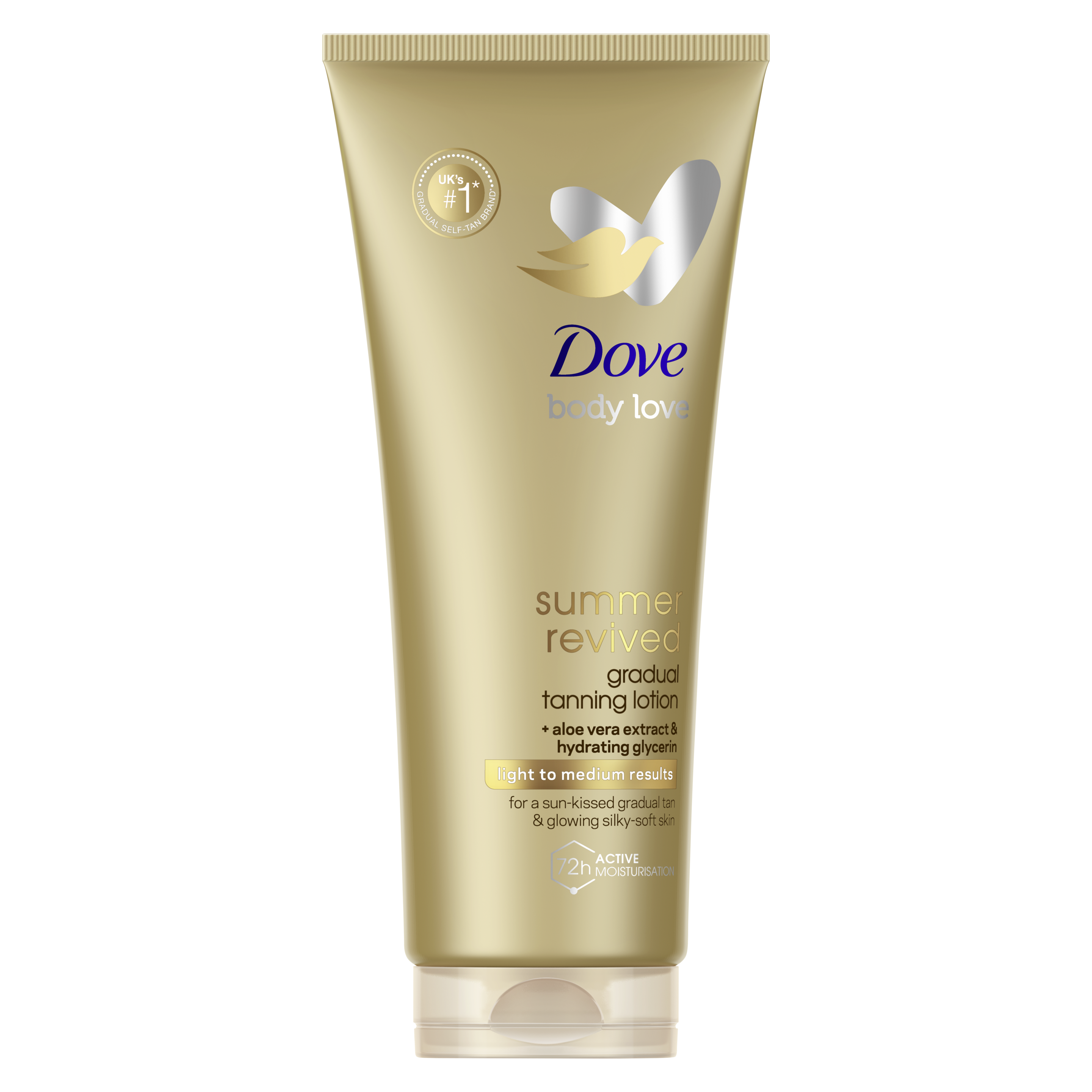
You know the look. It’s that tell-tale "Cheeto" glow that happens about six hours after you’ve tried to look like you just spent a week in Mykonos. If you have pale skin, the stakes are just higher. One wrong move with a fair skin self tanning lotion and you aren’t "sun-kissed"—you’re neon.
It’s frustrating.
Pale skin is naturally more transparent. It has cool or pink undertones that clash violently with the heavy orange pigments found in standard drugstore tanning products. Most companies formulate for the "average" consumer, which usually means someone with a medium-olive base. When you put that on fair skin? Total disaster. Honestly, it’s not your fault; it’s a chemistry problem.
The Science of Why You're Turning Pumpkin
The active ingredient in almost every tanner is Dihydroxyacetone (DHA). This is a simple sugar that reacts with the dead skin cells in your stratum corneum. This chemical reaction is called the Maillard reaction. It’s the same thing that happens when you sear a steak or toast bread.
But here is the kicker: DHA concentrations vary wildly.
If you have porcelain or fair skin, your skin can only "process" so much DHA before it starts looking artificial. Most standard lotions hover around 5-8% DHA. For us fair-skinned folks? That is way too much for a first pass. You need something in the 2-4% range. This allows the color to build slowly. It mimics the way melanin actually develops under UV exposure rather than just staining the top layer of your skin.
You've probably noticed that some tans look "dirty" on your elbows or knees. That’s because those areas have more dead skin cell buildup. More cells equal more Maillard reactions. More reactions equal a darker, muddier color.
Green vs. Violet Undertones
Stop buying "bronze" and start looking at color theory.
If you have fair skin with pink undertones (you burn easily, your veins look blue), you should look for a fair skin self tanning lotion with a green base. Green sits opposite red on the color wheel. It cancels out the "sunburn" look and keeps the tan looking brown. On the flip side, if you are fair but have more yellow or sallow undertones, a violet-based tanner is your best friend. It creates a deep, rich plum-to-brown transition that looks expensive.
Brands like St. Tropez and Bondi Sands have started leaning into this, but many people still grab the first bottle they see on the shelf. Don't do that.
Real Talk About Application Mistakes
Most people think exfoliation is just a suggestion. It isn't. If you don't scrub, the lotion sits on uneven patches of skin. You’ll wake up looking like a Dalmatian.
But don't use an oil-based scrub. This is a massive mistake. The oil creates a barrier on your skin that prevents the DHA from sticking. You’ll rinse off the "guide color" in the shower and realize you haven't tanned at all. Use a dry brush or an exfoliating mitt. Use plain water and a grit-based scrub that rinses clean.
The "Dry Spot" Strategy
Before you touch that fair skin self tanning lotion, grab a regular, fragrance-free moisturizer.
Apply it to:
- Your knuckles.
- Your heels and the "sides" of your feet.
- That weird little bone on your wrist.
- Your nostrils (yes, really).
- Your eyebrows if you have very light hair.
This acts as a dilutant. When the tanner hits these spots, it mixes with the moisturizer and applies at half-strength. It prevents those dark streaks that scream "I did this in my bathroom at 11 PM."
Which Formulas Actually Work for Fair Skin?
Gradual tanners are the unsung heroes for the fair-skinned community. While the "instant" dark mousses get all the Instagram glory, they are a nightmare to manage if you miss a spot. Gradual lotions, like the ones from Jergens (the Natural Glow line) or Tan-Luxe, allow you to control the depth.
You apply it like a body lotion.
You do it two days in a row.
By day three, you have a subtle glow. If you want more, you keep going. If you like where you are, you stop. It’s foolproof.
Specifically, look for "gradual tan" or "fair to medium" labels. Avoid anything that says "Ultra Dark" or "One Hour Express." Express formulas use high concentrations of DHA and chemical accelerants to force the color change quickly. On fair skin, "fast" usually means "orange."
The Face Dilemma
Never put a body tanner on your face. Just don't. The skin on your face has a different pH and is more prone to breakouts. Plus, tanner tends to settle into pores, making them look like tiny blackheads.
Instead, use tanning drops. Isle of Paradise makes a peach-coded bottle specifically for fair skin. You mix two drops into your nightly moisturizer. It’s subtle. It’s safe. It won't make you look like you’re wearing a mask.
The Maintenance Phase
So you’ve achieved the glow. Now what?
A tan on fair skin lasts about 4 to 7 days. Your skin naturally sheds its outer layer during this time. To prevent the "cracked earth" look—where the tan starts peeling off in patches—you must hydrate. But avoid retinols, AHAs, and BHAs on your body. These are chemical exfoliants. They will eat your tan for breakfast.
When you’re ready to take it off and start over, don't just scrub until your skin is raw. Use a dedicated tan remover or soak in a bath with baby oil. The oil breaks down the DHA bonds, making it slide off easily with a washcloth.
Practical Steps for a Flawless Glow
If you are ready to try again, follow this specific sequence. No shortcuts.
- Exfoliate 24 hours prior. Do not do it right before. Your pores need time to close, or you’ll get "strawberry legs" (dark dots in your hair follicles).
- Shave or wax. Again, do this the day before.
- Apply to clean, dry skin. No deodorant, no perfume, no oils.
- Start from the ankles and work up. Use a mitt. Using your bare hands is a recipe for orange palms and a lifetime of regret.
- Use the "leftover" method. Don't apply fresh lotion to your feet or hands. Just use whatever is left on the mitt after you've finished your legs and arms.
- Wear loose, dark clothes. Avoid bras or tight leggings for at least 4 hours. Friction is the enemy of an even tan.
Fair skin is a beautiful canvas, but it's an honest one. It shows every mistake. By choosing a lower DHA percentage and focusing on color-correcting bases like green or violet, you can actually get a tan that looks like you've been sitting poolside in Tuscany rather than wrestling a bottle of bronzer in your tub. Stick to the gradual build. It's slower, but the results are actually believable.