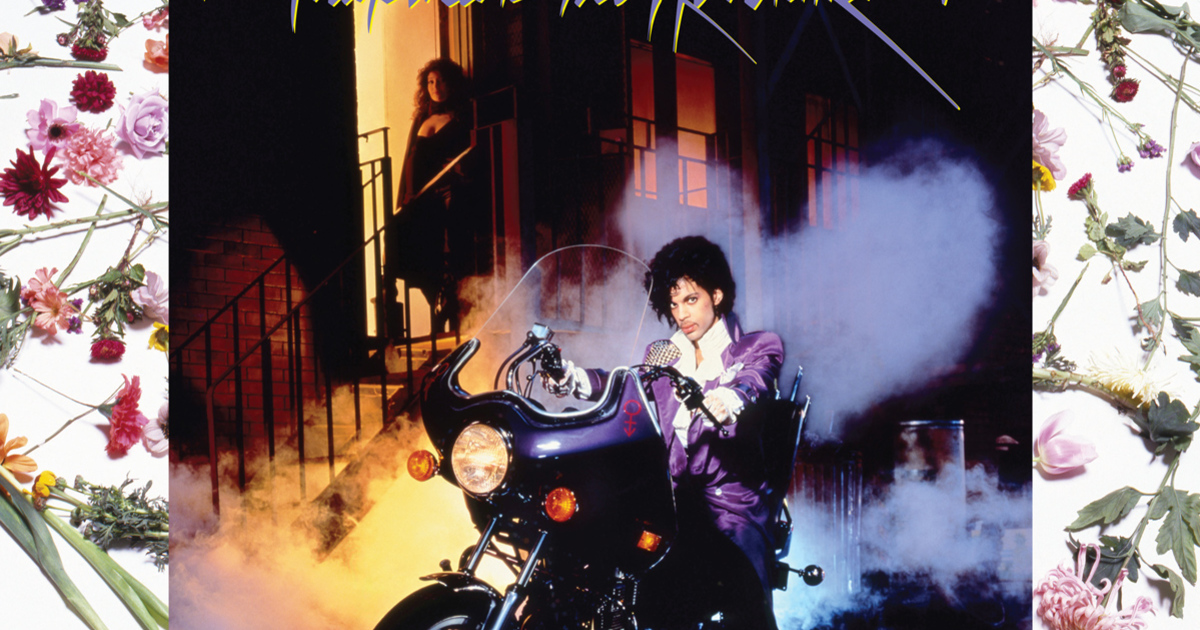
It’s the ultimate trap for a musician. You’re on stage, the energy is high, and you want to pay homage to the greatest to ever do it. You signal the band, the lights turn a hazy violet, and you launch into those iconic opening chords. But then, the realization hits. You aren't Prince. Nobody is.
Covering a masterpiece is risky business. When it comes to a Prince Purple Rain cover, the stakes aren't just high—they're astronomical. We aren't just talking about a song here; we’re talking about a cultural monument that defines an entire era of soul, rock, and gospel fusion. It’s arguably the most "untouchable" track in the history of modern music.
Yet, everyone tries it. From Adam Levine at Howard Stern's birthday bash to Bruce Springsteen opening a show in Brooklyn just days after Prince passed away, the temptation to dip into that purple pool is irresistible. Most of the time, it’s a karaoke-style disaster. Sometimes, though, someone manages to find a sliver of the original magic while bringing something entirely new to the table.
The Anatomy of the Impossible
What makes this song so hard to get right?
Is it the vocal range? Not really. Plenty of people can hit a high note. It’s the texture. Prince had this uncanny ability to sound vulnerable and invincible at the exact same time. If you sing it too clean, it sounds like a Broadway audition. If you go too gritty, you lose the ethereal quality of the melody.
Then there’s the guitar solo.
Most guitarists make the mistake of trying to play it note-for-note. That’s a losing game. Prince’s original 1984 solo—recorded live at First Avenue, mind you—wasn't just a display of technical shredding. It was a melodic cry. It’s phrasing that feels like a conversation. When a cover artist tries to "out-shred" Prince, they usually end up sounding like they're practicing scales in a Guitar Center.
And don't even get me started on the "ooh-ooh-ooh" outro. If you don't have the gospel-inflected soul to carry that for four minutes, it gets real awkward, real fast.
The Covers That Actually Earned the Right to Exist
Believe it or not, a few artists have actually pulled it off. They didn't do it by imitating the Purple One; they did it by translating the song into their own language.
H.E.R. at the 2020 Grammys
This might be the gold standard for modern tributes. H.E.R. didn't just sing the song; she lived in it. She understood that the song requires a slow burn. She let the space between the notes breathe. When she finally stepped up for that solo on her clear acrylic Stratocaster, she wasn't trying to be Prince. She was being a disciple of his school of melody. It felt authentic because it wasn't a costume—it was a conversation between two generations of multi-instrumentalists.
Bruce Springsteen’s 2016 Tribute
Springsteen is a stadium god in his own right, so he didn't need to prove anything. When he opened his show at the Barclays Center with "Purple Rain" shortly after Prince’s death, the room didn't just listen; they mourned. He stripped away the synth-heavy polish and replaced it with E Street Band grit. Nils Lofgren’s solo that night was a masterclass in controlled chaos. It worked because it was raw. It was a "Boss" acknowledging a "Prince."
The Unlikely Gospel of David Gilmour
You wouldn't think the voice of Pink Floyd would mesh with Minneapolis funk-rock, but Gilmour’s mashup of "Comfortably Numb" and "Purple Rain" is a trip. Why does it work? Because both songs share a certain DNA of melancholic grandeur. Gilmour’s tone is thicker, more "stratospheric," and he bends notes in a way that feels like a slow-motion tidal wave. It reminds us that at its core, this song is a blues ballad.
Why "Purple Rain" Isn't Just a Song, It's a Religious Experience
Honestly, the reason people keep attempting a Prince Purple Rain cover is that the song functions as a secular hymn. It’s used for weddings, funerals, and everything in between.
When Prince wrote it, he was actually worried it sounded too much like a Journey song. He even called Jonathan Cain to make sure he wasn't accidentally ripping off "Faithfully." Cain told him the chords were similar but the vibe was entirely different, and he gave Prince his blessing.
The original version we all know from the album? That’s actually a live recording from a benefit concert at the First Avenue club in Minneapolis on August 3, 1983. They edited out a verse and some of the more experimental jamming to get it down to the eight-minute version on the record. Think about that: the definitive version of the greatest power ballad ever was captured in a sweaty club, not a sterile studio.
That’s what covers usually miss. They try to recreate the "produced" version. They miss the sweat. They miss the sound of a 25-year-old genius proving he owned the world.
The Technical Trap: Why Your Local Band Shouldn't Play It
If you’re in a wedding band or a local cover group, listen closely: just because you can play the chords (B-flat, G-minor, F, E-flat) doesn't mean you should.
Most musicians underestimate the tempo. They rush it. "Purple Rain" is a masterclass in restraint. It’s about 57 beats per minute. That is painfully slow. If you speed it up even a little bit, the emotional weight evaporates. It becomes a pop song. And "Purple Rain" is definitely not just a pop song.
Then there’s the arrangement. Prince used those lush, Oberheim OB-Xa synth pads to create a bed of sound that feels like a warm blanket. Most covers use a generic "strings" setting on a cheap keyboard, and it sounds thin. Without that thick, analog warmth, the song loses its majesty.
The Cultural Impact of the Cover Phenomenon
Since Prince's passing in 2016, the number of covers has exploded. It’s become a rite of passage for artists.
We’ve seen Dolly Parton tackle it on her Rockstar album. We’ve seen Dwight Yoakam turn it into a bluegrass-tinged honky-tonk number. Even the London Philharmonic Orchestra has had a go at it.
What’s fascinating is how the song adapts. It’s sturdy. You can strip it down to an acoustic guitar—like Chris Cornell did—and it still breaks your heart. You can turn it into a gospel powerhouse—like Patti LaBelle—and it moves your soul. This versatility is the hallmark of truly great songwriting.
But there’s a fine line between a tribute and an ego trip.
A good Prince Purple Rain cover focuses on the "Rain." A bad one focuses on the performer. When you see someone over-singing, adding too many runs, or trying to look "cool" during the solo, you know they've missed the point. Prince was a showman, yes, but in this specific song, he was a vessel for something much larger than himself.
Misconceptions About the Lyrics
A lot of people think the song is about a breakup.
"I never meant to cause you any sorrow."
It sounds like an apology to a lover. And on one level, it is. But Prince himself explained that the "Purple Rain" symbolizes the end of the world. It’s about being with the person you love and letting your faith in God (or whatever higher power you believe in) carry you through the "purple rain"—the blending of the blue sky and the red of blood.
When covers treat it as just another "I’m sorry" song, they lose that apocalyptic, spiritual weight. It’s supposed to feel like the world is ending, but you’re okay because you’re not alone.
How to Actually Listen to a Cover (Without Being a Snob)
It’s easy to be a purist. I get it. I’m a Prince fanatic. But there’s value in hearing how other artists interpret his genius.
When you listen to a cover, don't ask, "Is this better than Prince?" The answer is no. It never will be. Instead, ask yourself these questions:
- Does the artist sound like they’re afraid of the song? If they're playing it safe, it's boring.
- Is the guitar solo a copy or a conversation? You want to hear the player's own voice.
- Do they nail the "longing"? This song is built on desire and regret. If those aren't present, the cover is just noise.
Actionable Takeaways for Musicians and Fans
If you're planning to perform a Prince Purple Rain cover, or if you're just a fan who wants to dive deeper into the discography, here is how to approach it with the respect it deserves:
- Study the 1983 First Avenue Recording: Don't just listen to the Purple Rain movie soundtrack. Find the unedited, 13-minute rehearsal tapes. Hear how the song evolved from a country-tinged demo into a rock anthem.
- Simplify the Vocals: Stop trying to do the Prince "screams" if you can't do them naturally. It’s better to sing it straight and honest than to sound like you’re straining.
- Focus on the Dynamics: The song should start as a whisper and end as a roar. If you start at a 10, you have nowhere to go.
- Respect the Silence: Prince was a master of the "stop." The pauses in the song are just as important as the notes.
- Listen to Wendy & Lisa: Much of the lush, melodic character of the song came from the input of Wendy Melvoin and Lisa Coleman. Understanding the "Revolution" era band dynamic is key to understanding why the song sounds the way it does.
At the end of the day, "Purple Rain" remains a mountain that every singer wants to climb. Most get stuck at base camp. A few reach the summit. But the view from the top is always better when you remember who built the mountain in the first place.
Check out the official Prince estate releases on streaming platforms to hear the remastered versions of the original First Avenue performances. There’s no better way to train your ear than by listening to the source material. Once you’ve internalized the original, go find the H.E.R. or Chris Cornell versions. You’ll start to see the threads that connect all great artists: the ability to take a masterpiece and find a small, quiet corner of it to call their own.
Next time you hear those four opening chords, don't roll your eyes. Listen for the effort. Listen for the tribute. And if it's bad, well, you can always go back and put on the 1984 record. It’s still perfect. It always will be.