If you’re looking for the "Prime Minister" of Ireland, you’ll find that the locals use a completely different word. Honestly, it’s one of those things that catches people out. You walk into a pub in Dublin and ask about the Prime Minister, and someone will politely—or maybe not so politely—correct you.
The person you're looking for is the Taoiseach.
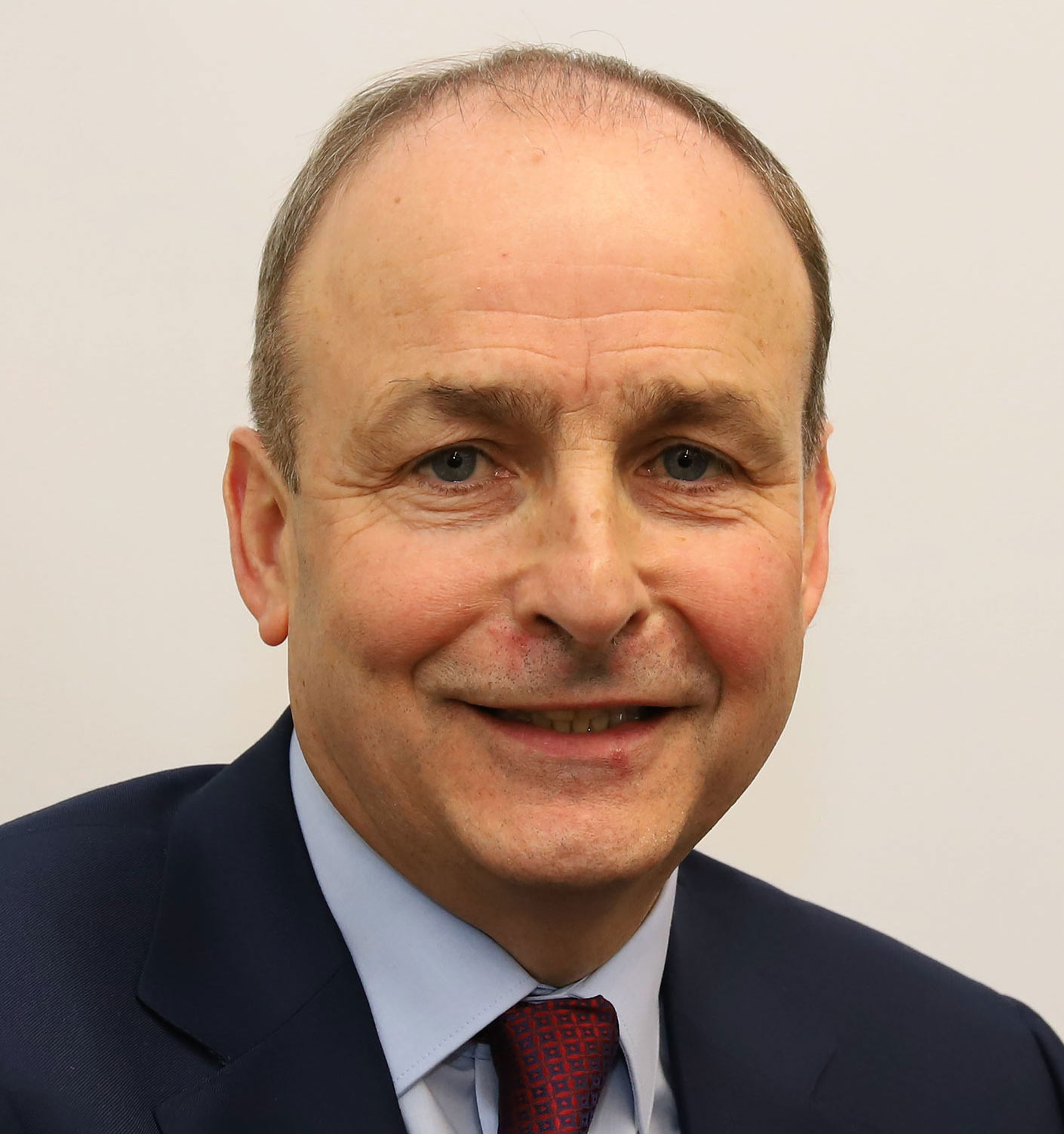
It’s pronounced "tee-shock." As of January 2026, that person is Micheál Martin.
He’s currently leading the country following a pretty intense shift in the political landscape over the last year. If you feel like you’ve heard his name before, you’re not wrong. He’s been around the block. But the story of how he ended up back in the top seat is a bit of a rollercoaster involving a massive election, a historic presidential vote, and some very high-stakes diplomacy.
Who is the Prime Minister of Ireland right now?
So, let's get the facts straight. Micheál Martin took office as Taoiseach on January 23, 2025.
He didn't just walk into it. It came after the 2024 General Election where his party, Fianna Fáil, managed to snag 48 seats. That made them the largest party in the Dáil (the Irish parliament). But 48 seats isn't enough to rule alone. Not even close. You need 88 for a majority.
Basically, he had to make a deal. He teamed up with Fine Gael and a group of independent TDs to form a coalition.
Before Martin took back the reins, Simon Harris was the man in charge. Harris actually made history as Ireland's youngest-ever Taoiseach back in 2024. People called him the "TikTok Taoiseach" because of how he used social media to reach younger voters. Nowadays, Harris is still a huge player in Irish politics—he's the Tánaiste (Deputy Prime Minister) and the Minister for Finance.
While Martin is busy handling the big-picture stuff, like his recent five-day official visit to China to meet with President Xi Jinping, Harris is often across the Atlantic. Just this week, Harris has been in California trying to beef up economic ties with tech giants and pharma companies.
It's a "two-headed" kind of government, really.
The weird quirk of the title
The word "Taoiseach" actually means "leader" or "chief" in Irish. It’s not just a fancy translation of Prime Minister; it’s the constitutional title. You’ll never see "Prime Minister" on an official Irish government document.
Ireland also has a President, Catherine Connolly, who was inaugurated in November 2025.
Don't mix them up. The President is the head of state, but the role is largely ceremonial. Think of the President as the moral compass of the country and the Taoiseach as the person actually driving the bus, making the budgets, and arguing in the Dáil.
The road back to power for Micheál Martin
Micheál Martin is a bit of a survivor. He first became Taoiseach in 2020 during the height of the pandemic. That was a weird time for everyone. He had a "rotating Taoiseach" deal with Leo Varadkar, which was a first for Ireland.
When the 2024 election rolled around, many people thought Sinn Féin and their leader Mary Lou McDonald would sweep the floor. They did well, getting 39 seats, but they couldn't find enough friends to form a government.
Politics is often just a game of who can play nice with others.
Martin’s Fianna Fáil managed to hold their ground better than expected. Even though the Green Party—their former partners—got absolutely hammered in the polls, Martin and Harris (Fine Gael) realized they still needed each other to keep the ship steady.
Why this matters to you
You might think, "Okay, cool, a guy named Micheál is in charge. Why do I care?"
Well, Ireland is a massive hub for global tech and finance. If you use an iPhone, a Google app, or take certain medications, there’s a high chance Ireland had a hand in it. The stability of the Irish government affects corporate tax rates, EU regulations, and how easy it is for international companies to operate there.
Currently, Martin is leaning heavily into "multilateralism." That’s just a fancy way of saying he wants Ireland to be friends with everyone—the US, the EU, and even China—to keep the economy humming.
What most people get wrong about Irish politics
One of the biggest misconceptions is that the "Prime Minister" is elected directly by the people. They aren't.
In the Irish system, you vote for your local TD (Teachta Dála). Then, those 174 TDs go to Dublin, sit in a big room, and vote on who should be Taoiseach.
- The Voting System: Ireland uses something called Single Transferable Vote (STV). It's complicated. You don't just pick one person; you rank them 1, 2, 3...
- The Coalition Culture: It’s almost impossible for one party to win an outright majority. This means the "Prime Minister" is always a product of a compromise.
- The Term Limits: A Dáil can last up to five years. Martin's current government technically has until December 2029 before they have to call another election, though they usually happen sooner if things get rocky.
Looking ahead to the rest of 2026
Things aren't exactly smooth sailing. While the economy is doing alright, there’s a massive housing crisis that won't go away. It’s the one thing that every politician in Ireland is sweating over.
Also, Ireland is set to take over the rotating presidency of the European Union in the second half of this year. That puts Micheál Martin in a very powerful position on the world stage. He won’t just be leading Ireland; he’ll be setting the agenda for the entire EU.
If you're planning to follow Irish news this year, keep an eye on:
- The Housing Progress: Whether the government's "Housing for All" plan actually starts putting keys in doors.
- EU Leadership: How Martin handles the EU presidency starting in July.
- The Harris-Martin Dynamic: Whether the partnership between the Taoiseach and Tánaiste stays friendly or starts to fray as the next election cycle looms.
Understanding who is the prime minister of ireland is basically about understanding this balance of power. It's not just about one person; it's about a coalition of parties trying to keep a small, wealthy, but complicated island running in a very turbulent global economy.
If you want to stay updated, the best thing to do is keep an eye on the official government portal, gov.ie, or follow the Dáil proceedings. Politics in Ireland moves fast, but for now, Micheál Martin is the one holding the gavel.
To get a real sense of how the current government is performing, you should look into the latest "Housing for All" quarterly progress reports or check the upcoming EU Presidency agenda for the latter half of 2026. These will give you the hard data behind the political speeches.