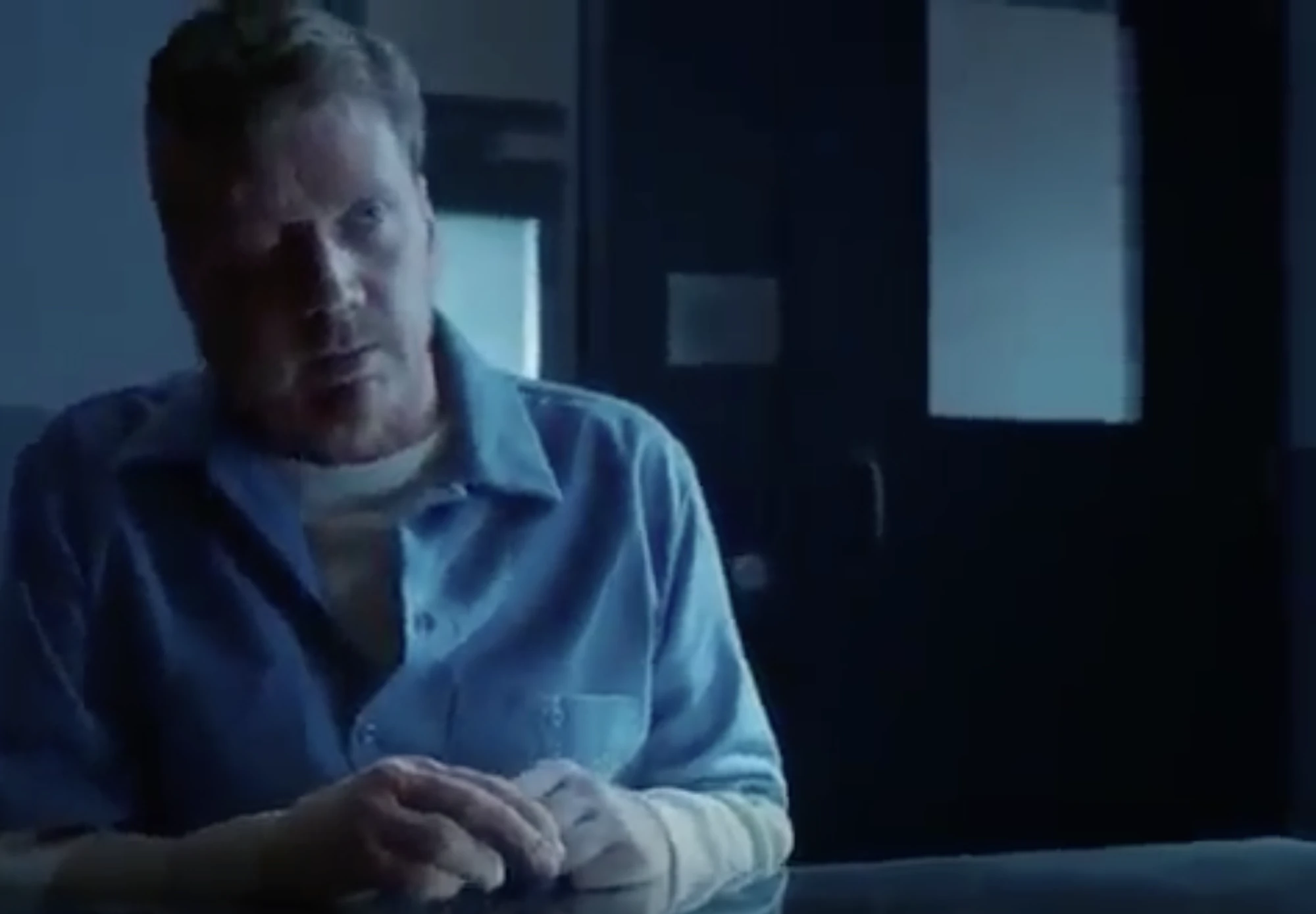
He started as just another face in the background of Firehouse 51. Honestly, if you blinked during the first few episodes of Chicago Fire, you might have missed him entirely. But Kevin Hadley—played with a chilling slow-burn intensity by William Smillie—eventually became the blueprint for the "disgruntled employee" trope taken to a terrifying, sociopathic extreme. He wasn't just a villain. He was a cautionary tale about ego, resentment, and what happens when a brotherhood turns its back on a member who doesn't play by the rules.
The Prank That Broke the Camel's Back
Hadley was a candidate. In the world of the Windy City's bravest, that means you're at the bottom of the food chain. You take the jokes. You scrub the toilets. You earn your stripes. But Hadley had this weird, prickly energy from the jump. While Peter Mills was the "golden boy" candidate everyone rooted for, Hadley was the guy who felt like he was constantly being slighted.
The turning point? A prank.
It sounds stupid when you say it out loud. It was a joke involving some disgusting, expired "delicacy" that the guys tried to trick him into eating. Standard firehouse hazing, right? Not for Hadley. He didn't see it as bonding. He saw it as a targeted attack. His reaction wasn't just anger; it was a total breakdown of the social contract that keeps a firehouse running. When he lashed out at Peter Mills with a racially charged, vitriolic insult, the atmosphere in 51 shifted instantly.
Chief Boden doesn't do "toxic."
Boden’s leadership style is built on the idea that if you can't trust the man next to you in the fire, the whole system collapses. By the time Hadley was transferred out of 51 to Squad 6, he wasn't just a transferred firefighter. He was a man obsessed. He felt betrayed by Kelly Severide. He felt replaced by Mills. He felt like the world owed him an apology that was never going to come.
From Firefighter to Firestarter
Usually, when a character leaves a show like Chicago Fire, they just fade into the background of "off-screen" lore. Not Hadley. He came back with a vengeance—literally.
In Season 2, the show took a dark turn into the world of arson. Someone was setting fires specifically to taunt Firehouse 51. It was personal. It was calculated. And it was brilliant writing because it used the character’s actual skill set against the heroes. Hadley knew how fires were fought, which meant he knew exactly how to start ones that would be the most dangerous, the most confusing, and the most demoralizing for his former friends.
Seeing him transition from a bitter ex-colleague to a full-blown serial arsonist was jarring. Most fans expected a redemption arc. We're used to TV characters realizing they were wrong and coming back to save the day. Hadley did the opposite. He leaned into the darkness. He started using accelerants and complex ignition triggers, turning his professional knowledge into a weapon of mass destruction.
The Confrontation with Severide
The dynamic between Kelly Severide and Kevin Hadley is one of the most underrated rivalries in the early seasons. Severide is the quintessential hero, but Hadley saw him as the ultimate betrayer. When Hadley finally revealed himself, he didn't just want to burn buildings; he wanted to burn Severide’s soul.
He was essentially a ghost haunting his old station. He would show up at scenes, standing in the crowd, watching the chaos he created. It’s that classic "arsonist returns to the scene" psychology, but played out with a personal grudge that made every encounter feel heavy.
Then came the showdown.
It wasn't some grand, cinematic explosion in a skyscraper. It was grittier. Hadley, caught in his own web, ended up severely burned. There’s a poetic irony there that the writers clearly enjoyed. The man who tried to master fire was ultimately consumed by it. He ended up in the burn unit, a scarred, broken version of the man who once rode the back of the truck. Even then, he wasn't repentant. He was just... empty.
Why We Still Talk About Him
Why does a secondary character from the early 2010s still come up in fan forums today? It's because Hadley represents the "what if" scenario that every first responder fears. What if the person you're trusting with your life is actually the person trying to take it?
Most villains in Chicago Fire are external. They're crooked politicians, gang members, or just the unpredictable nature of fire itself. Hadley was internal. He was "one of us." That betrayal cuts deeper than any random arsonist ever could.
- He was a mirror: Hadley showed what happens when the stress of the job meets a fragile ego.
- The transition was earned: It didn't happen overnight. We saw the seeds of his resentment in Season 1, which made his Season 2 descent feel earned rather than forced for "shock value."
- The stakes were real: He didn't just threaten the city; he threatened the family dynamic of the show.
Honestly, the show hasn't really had a recurring human antagonist that felt quite as personal since then. Sure, we’ve had Gorsch and various other bureaucratic nightmares, but they were mostly annoying. Hadley was dangerous. He was a reminder that the calls aren't the only thing that can kill you in this profession—sometimes, it's the guy sitting across from you at the dinner table.
The Technical Accuracy of the Arson Plot
One thing Chicago Fire gets right (mostly) is the investigation side of things. When Hadley started setting fires, the show dove into the world of the Office of Fire Investigation (OFI). We saw the use of liquid accelerants and how patterns in the charring can point to a specific "signature."
Hadley’s signature was his knowledge of the firehouse’s response times. He wasn't just setting fires; he was setting traps. He knew how long it would take Truck 81 to get to a specific corner, and he timed his devices to ensure the fire would be at its most volatile the moment they stepped off the rig. It was psychological warfare as much as it was physical.
Life After the Firehouse
For the actor, William Smillie, this role was a masterclass in playing "unlikeable." It's hard to be the guy everyone hates, but he leaned into it. After his stint on Fire, Smillie popped up in other projects, but for a whole generation of "One Chicago" fans, he will always be the man who tried to burn down the legacy of 51.
If you're re-watching the series now, keep an eye on Hadley in the pilot. Look at how he interacts with the rest of the crew. The resentment is there from day one. It’s subtle, but it’s there. He never quite fits into the frame. He’s always a little bit on the outside, looking in, waiting for a reason to snap.
Identifying the "Hadley Warning Signs"
If you're a fan of the show or even someone working in a high-stakes environment, the Hadley arc actually offers some "real world" insights into workplace toxicity.
- Isolation: He stopped participating in the communal aspects of the house.
- Hyper-sensitivity: Every joke was an insult; every correction was a personal attack.
- Projection: He blamed his failures on the "favorites" (like Peter Mills) rather than his own behavior.
- Escalation: It started with words, moved to a refusal to follow orders, and ended in criminal activity.
Most people don't turn into arsonists, obviously. But the breakdown of communication and the feeling of being "wronged" by a group is a very real phenomenon in departments all over the country. Hadley is the extreme, "Hollywood" version of that reality.
What To Do Next
If you're looking to dive deeper into the world of Firehouse 51's history, the best thing to do is go back and watch the "Arsonist" arc in Season 2. Start with Episode 2, "Prove It," and follow the trail through to the conclusion of the Hadley saga. It's some of the tightest writing the show has ever done.
Pay close attention to the scenes in the burn unit. The makeup work is incredible, and the dialogue between Severide and a mutilated Hadley is some of the most chilling work in the entire series. It's a reminder that in the world of Chicago Fire, the scars aren't just physical—they're emotional, and they last forever.
If you're a new fan, don't skip the early seasons. While the current cast is great, the foundation of the show was built on these messy, complicated, and sometimes villainous characters like Kevin Hadley. He's the reason why the rules in the house are so strict today. He's the reason Boden is so protective of his crew. He's the ghost that still lingers in the halls of 51, a reminder that the brotherhood is only as strong as its weakest, most bitter link.
Check out the official Chicago Fire archives or fan wikis for a full breakdown of every fire Hadley set. It’s a fascinating look at how the writers mapped out his descent into madness. Seeing the progression from small trash fires to massive structural blazes shows a clear timeline of his deteriorating mental state.
Watch the Season 1 finale again. Notice the look on Hadley's face when he's told he's being moved. That's the moment Kevin Hadley died, and the arsonist was born. It’s a chilling piece of foreshadowing that many viewers missed the first time around.