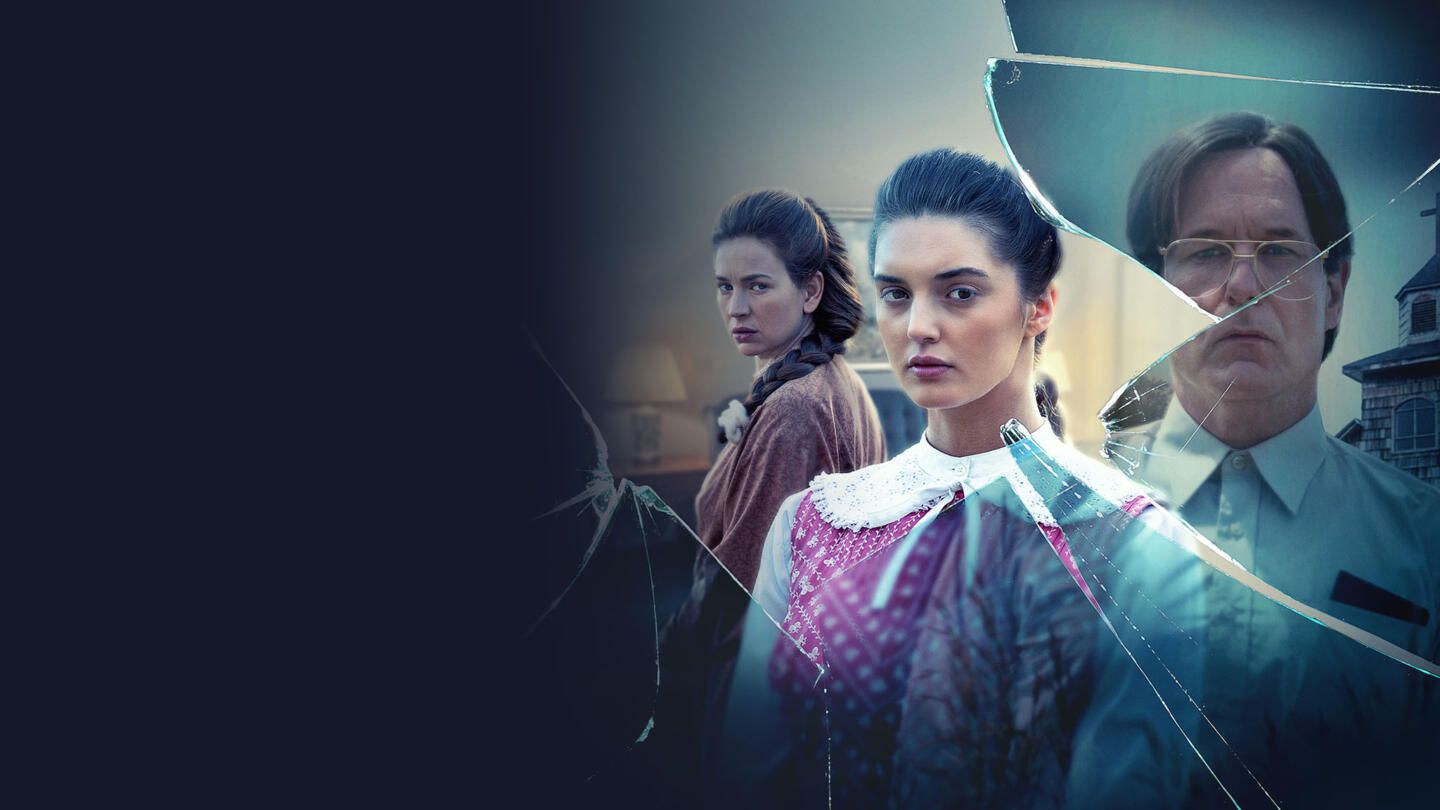
The Short Creek border is a strange, dusty stretch of land where the red rocks of Arizona meet the cliffs of Utah. For decades, this was the kingdom of the Fundamentalist Church of Jesus Christ of Latter-Day Saints (FLDS). People outside the cult mostly knew it for the prairie dresses and the news clips of raids. But for the woman at the center of Surviving My Father: The Rachel Jeffs Story, it wasn't a news clip.
It was home. It was also a prison.
Rachel Jeffs is the daughter of Warren Jeffs, the self-proclaimed prophet currently serving a life sentence plus twenty years for sexual assault of minors. If you've watched the documentaries or read the headlines, you think you know the story. You've seen the mugshot of the gaunt man with the haunting eyes. But the documentary and Rachel’s memoir go somewhere the news cameras couldn't reach. They go into the psychological machinery of how a father convinces his own child that her abuse is actually her salvation.
Honestly, it’s a hard watch. It’s even harder to read. But if we want to understand how extremist groups function, we have to look at the specific mechanics of Rachel’s survival.
The Prophet in the Living Room
Growing up as a Jeffs meant something different than being a "regular" FLDS member. There was a hierarchy. Rachel wasn't just another girl in a long-sleeved dress; she was royalty in a community that viewed her father as the literal mouthpiece of God.
Imagine your dad tells you the world is ending.
Now imagine that everyone you have ever met—your teachers, your neighbors, your dozens of "mothers"—all nod in agreement. In Surviving My Father: The Rachel Jeffs Story, we see the slow-motion car crash of a childhood where the normal boundaries of family were completely erased. Warren Jeffs didn't just rule the church; he micromanaged the breathing patterns of his children.
He used a "correction" system.
It sounds clinical, doesn't it? It wasn't. It was a method of breaking the will. Rachel recounts how her father would force her to stand for hours, or record her "sins" in journals that he would then review. He taught her that her own thoughts were dangerous. This is the "grooming" phase that people often overlook because they are too focused on the sensationalism of polygamy. But the real story is the isolation.
Why Surviving My Father: The Rachel Jeffs Story Hits Different
Most true crime focuses on the "how" of the crime. This story focuses on the "why" of the staying.
Why didn't she just run?
It’s the question everyone asks from the safety of their couch. But Rachel explains the geography of a cult. It isn't just the physical fences; it's the fact that the FLDS owned the stores, the houses, and the police. If you ran, you weren't just leaving a religion. You were stepping into "The World," a place you were told was filled with demons and people who wanted to murder you.
The documentary highlights a specific moment when Warren went on the lamb. The FBI's Most Wanted list featured his face right next to Osama bin Laden. For Rachel, this wasn't a criminal fleeing justice. It was a father being "persecuted" by an evil government. She was with him during that time. She saw the paranoia up close.
The Breaking Point and the Escape
Leaving wasn't a single "aha" moment. It was a series of cracks in the porcelain. Rachel was married off—as is the custom—and her life became a cycle of pregnancies and subservience. But the cruelty she witnessed toward her own children and the realization that her father’s "revelations" were increasingly erratic (and conveniently self-serving) started to peel back the veil.
She eventually escaped in 2015.
Think about that timeline. 2015. The world had iPhones and Instagram, and Rachel was just learning how to exist without asking permission to speak. When she finally got out, she had to reclaim her children, a process that is often more harrowing than the escape itself. The FLDS uses children as the ultimate leash. If you leave, you lose them.
The Reality of Recovery After Warren Jeffs
One thing Surviving My Father: The Rachel Jeffs Story gets right is the messiness of the aftermath.
Recovery isn't a montage.
It’s years of therapy. It’s deconstructing the idea that God is an angry man in a suit. Rachel has been vocal about the fact that "surviving" is a present-tense verb. She didn't just survive him in the past; she survives the legacy of his teachings every day.
There’s a lot of misinformation out there about the FLDS today. Some people think that because Warren is in prison, the cult is gone. It isn't. It’s fractured, sure. There are "Short Creekers" trying to reclaim their town, and there are "Jeffs Loyalists" who still believe he is a political prisoner. Rachel’s story serves as a warning that the architecture of a cult survives the removal of its leader.
What We Get Wrong About Cult Survivors
People love a "triumph" narrative. They want the survivor to be 100% healed and living a perfect life.
But Rachel is honest.
She talks about the guilt. The shame of things she did or said while under his thumb. This is the nuance that many documentaries skip over because it's uncomfortable. We want clear villains and clear heroes. In Rachel's world, the villain was the man who tucked her in at night, and the hero is a woman who still struggles with the shadow of that man's influence.
Actionable Insights for Understanding and Support
If you’re looking at Rachel’s story and wondering what to actually do with this information, it starts with changing how we view coercive control. This isn't just a "weird religion" thing. It happens in domestic relationships, in corporate environments, and in small social circles.
- Educate yourself on Coercive Control: Research the "BITE" model by Steven Hassan. It stands for Behavior, Information, Thought, and Emotional control. This is the blueprint Warren Jeffs used.
- Support Secular Exit Programs: Organizations like Holding Out HELP or the Cherish Families nonprofit work specifically with people leaving high-control groups. They need housing, legal aid, and dental care (which is often neglected in cults).
- Check the Facts: When reading about the FLDS, look for primary sources. Rachel’s book, Breaking Free, is a primary source. Avoid "tabloid" versions of these stories that prioritize shock value over the survivor's agency.
- Acknowledge the Complexity: If you meet someone who has left a group like this, don't ask "Why did you stay?" Ask "What was the hardest part of leaving?" It changes the dynamic from judgment to empathy.
The legacy of Warren Jeffs is a dark one, but the story Rachel Jeffs tells isn't just about darkness. It’s about the fact that even when someone tries to own your entire soul, they can't quite get all of it. There is always a piece of "you" that stays hidden, waiting for the right moment to walk out the door and never look back.
The process of rebuilding a life after such profound betrayal is slow. It involves re-learning how to make basic choices, like what color to wear or what to eat for breakfast. For Rachel, every choice is a victory. Every day she spends in the "outside" world is a refutation of her father's prophecies.
Ultimately, the power of this narrative lies in its refusal to be silenced. Warren Jeffs spent decades trying to ensure his daughters would never have a voice. By writing her book and participating in the documentary, Rachel didn't just tell her story—she took her voice back. And in the world of cult recovery, that is the only kind of miracle that actually matters.
Keep an eye on the legal developments in the Short Creek area. The land trusts and property disputes are ongoing, and the fight for the physical and spiritual "home" of these survivors is far from over. Understanding the history of the Jeffs family is the first step in ensuring these patterns of abuse don't simply rename themselves and start over in a different desert.