Politics in Hanoi can sometimes feel like a high-stakes chess match played behind a very thick curtain. If you’ve been trying to keep track of who is the president of vietnam lately, you aren't alone in being a bit confused. The last couple of years have been, honestly, a whirlwind. We’ve seen more movement in the top spots of the Vietnamese government than in the previous decade combined.
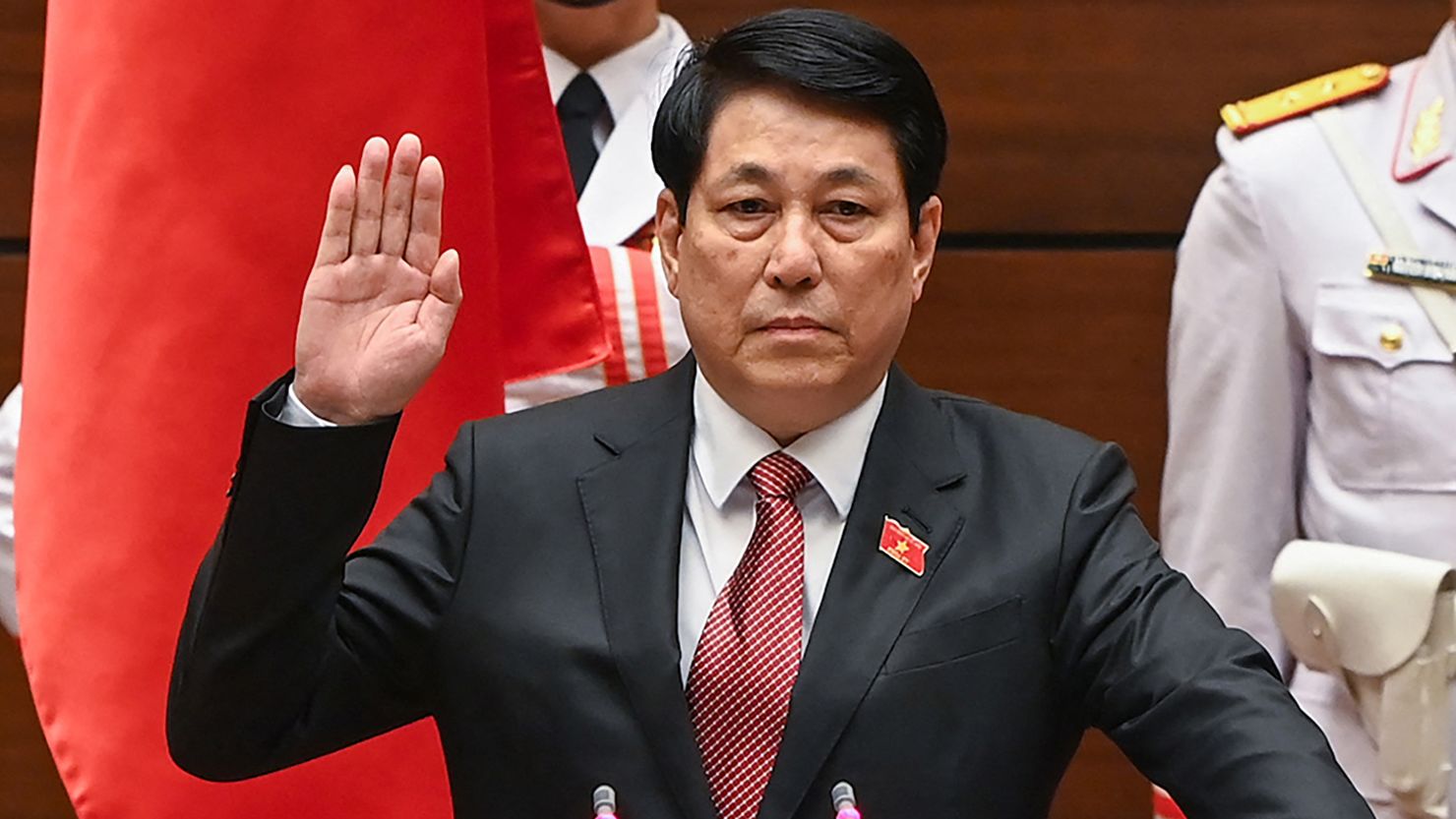
Right now, as we move through January 2026, the man holding the title of State President is General Luong Cuong.
He stepped into the role in October 2024, taking over the reins from To Lam. It was a massive moment for the country’s stability. Before Cuong was sworn in, the presidency had become a bit of a revolving door due to the "Blazing Furnace" anti-corruption campaign that’s been sweeping through the ranks of the Communist Party.
But here is where it gets interesting: as I’m writing this, Vietnam is right on the doorstep of the 14th National Party Congress, which kicks off on January 19, 2026. This is the "big one." It’s the meeting held every five years where the leadership is reshuffled, and there is a lot of talk in Hanoi about whether the current setup will stay the same or if we're about to see another major shift.
The Man in the Palace: Who is Luong Cuong?
Luong Cuong isn't just some career politician who climbed a ladder of paper-pushing. He’s a four-star general. He spent decades in the People’s Army of Vietnam, specifically leading the General Department of Politics.
If you want to understand why he was chosen, you have to look at the balance of power. Vietnam’s leadership is traditionally built on "four pillars":
- The General Secretary (The most powerful role, currently held by To Lam)
- The State President (Head of State, currently Luong Cuong)
- The Prime Minister (Head of Government, Pham Minh Chinh)
- The Chairman of the National Assembly (Tran Thanh Man)
For a while there, the police and security faction—led by To Lam—was looking incredibly dominant. By bringing in Luong Cuong, a military man, the Party basically signaled a return to equilibrium. It’s a classic move to keep any one branch from getting too much leverage over the others.
Cuong is often seen as a "safe pair of hands." He’s 68 years old, deeply loyal to the Party's core tenets, and hasn't been touched by the scandals that took down his predecessors. When he took the oath of office, he pledged "absolute loyalty" to the Fatherland and the people. Since then, he’s been busy. Just this week, on January 16, he was at the Presidential Palace appointing 16 new ambassadors to represent Vietnam across the globe for the 2025–2028 term.
The To Lam Factor and the 2026 Congress
You can't talk about who is the president of vietnam without talking about To Lam. He is arguably the most influential figure in the country right now.
To Lam actually held the presidency himself for a few months in 2024. After the longtime General Secretary Nguyen Phu Trong passed away in July 2024, To Lam took over that role too, briefly holding both of the top spots. It was a rare consolidation of power that we haven't seen much of since the days of Ho Chi Minh.
However, the "dual role" didn't last. In October 2024, Lam handed the presidency over to Luong Cuong.
Wait, so is that changing?
That’s the million-dollar question. As the 14th Congress begins on January 19, there are swirling reports—some from sources like Reuters—that To Lam might be looking to officially merge the roles of Party Chief and President again. This would move Vietnam closer to the Chinese model, where Xi Jinping holds both titles.
Some folks in the Party think this is a great idea because it streamlines decision-making. Others, especially in the military camp, aren't so sure. They like the checks and balances. If the merger happens, Luong Cuong might step aside. If it doesn't, he likely stays on to finish the term through 2026.
Why the President Matters (Even if the Role is "Ceremonial")
Technically, the presidency in Vietnam is often described as ceremonial. The Prime Minister handles the economy, and the General Secretary handles the Party and military. So, what does the President actually do?
A lot, actually.
The President is the face of Vietnam to the world. When a foreign leader visits Hanoi, the President is the one hosting the state dinner. When Vietnam signs a major international treaty, the President's signature is often the one that makes it official.
Key Responsibilities:
- Commander-in-Chief: He technically holds the top title for the armed forces.
- Diplomacy: He appoints ambassadors and receives foreign dignitaries.
- Legal Authority: He has the power to proclaim laws and even grant amnesties.
Throughout 2025, Luong Cuong was a busy man on the international stage. He traveled to the U.S. for the UN General Assembly, met with Vladimir Putin and Xi Jinping, and visited countries like Egypt and Angola. For a country like Vietnam, which relies heavily on "Bamboo Diplomacy"—staying flexible and making friends with everyone—the President’s role as a diplomat is vital for keeping the economy growing.
What This Means for You (and the Economy)
If you're an investor or just someone interested in Southeast Asia, you might wonder why you should care about these leadership shuffles.
Stability is the short answer.
Vietnam is aiming for massive growth—we're talking 10% annual GDP growth targets for the next five years. To get there, they need foreign investment. Investors hate uncertainty. The "Blazing Furnace" campaign, while great for cleaning up corruption, created a lot of nervousness because it felt like the leadership was constantly changing.
The appointment of Luong Cuong was a signal that the "musical chairs" phase was ending. It brought a sense of calm. Now, as the 14th Congress gets underway, everyone is watching to see if that stability holds.
Looking Ahead: The Next Steps for Vietnam
So, who is the president of vietnam? As of today, it’s Luong Cuong. By next week? We might have a different answer depending on what happens in the halls of the Ba Dinh District in Hanoi.
If you are following this story, here is what you should keep an eye on over the next few days:
- The Congress Announcement: Watch for the official list of the new Central Committee and Politburo.
- The "Five Pillars" vs. "Four Pillars" Debate: See if the Party decides to keep the President and General Secretary roles separate or merge them.
- Economic Policy: Look for mentions of the high-speed railway and nuclear power projects. These are the massive infrastructure bets the current leadership is making.
The political landscape in Vietnam is moving fast. While the names on the office doors might change, the underlying goal remains the same: transforming Vietnam into a high-income, developed nation by 2045. Whether it’s Luong Cuong or To Lam leading that charge from the Presidential Palace, the stakes couldn't be higher.
Keep an eye on the official VNA (Vietnam News Agency) releases over the next week for the final confirmation of the 2026 leadership team.
Actionable Insights for Following Vietnamese Politics:
- Monitor the 14th National Congress: This event (Jan 19-25, 2026) will finalize the leadership for the next five years.
- Verify via State Media: For official appointments, always cross-reference with Nhan Dan or VietnamPlus, as these are the primary outlets for government announcements.
- Watch the "Pillars": Understanding the balance between the military (Cuong) and public security (Lam) factions provides the best context for why certain leaders are chosen.