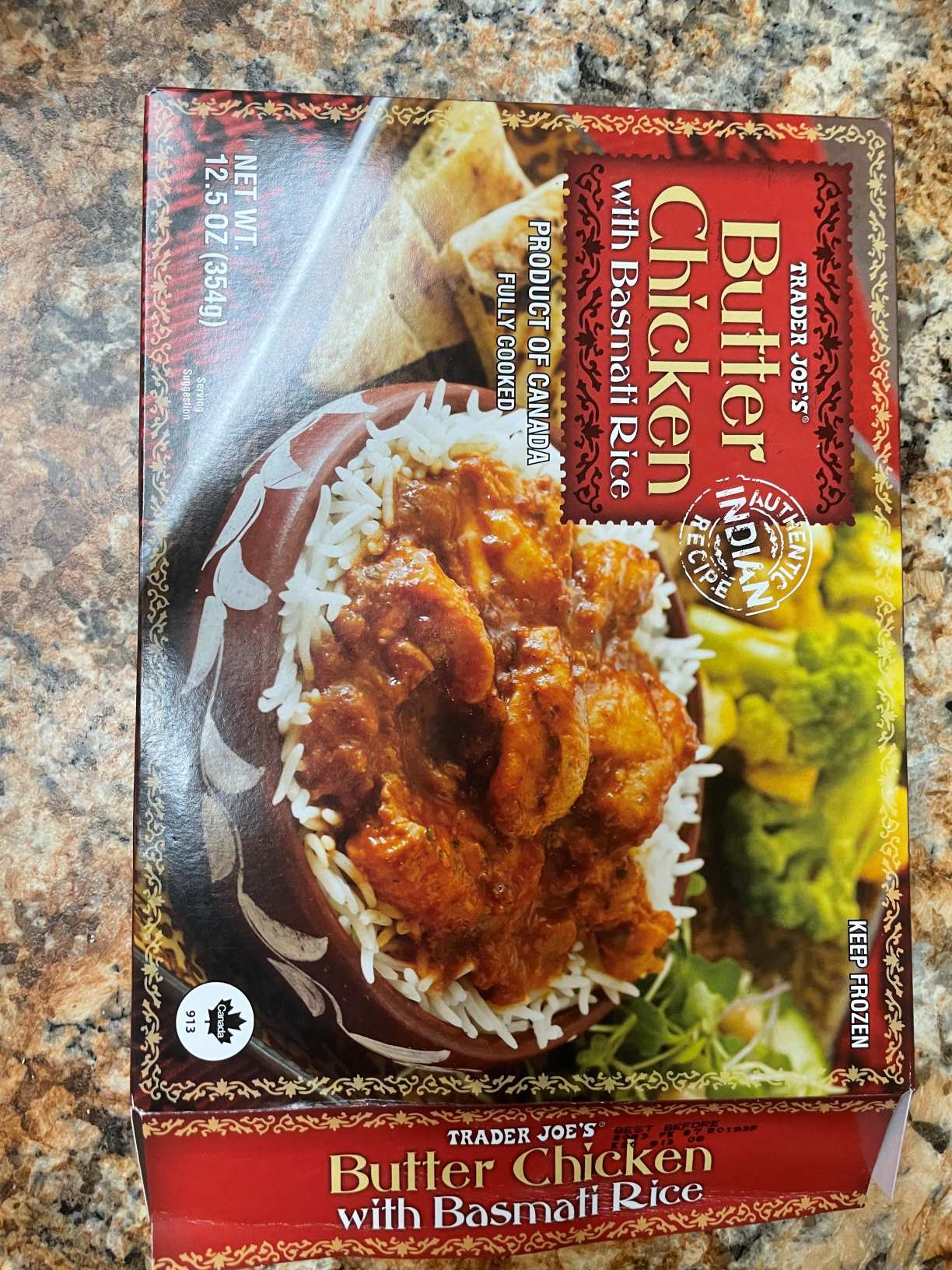
You’ve seen the bags. They’re piled high in the frozen aisle, usually right next to the vegetable fried rice and the soup dumplings. Trader Joe’s Mandarin Orange Chicken isn’t just a product; it’s a cultural phenomenon. It has won the "Customer Choice" award so many times that the store actually had to retire it from the rankings just to give other foods a chance.
But honestly, have you ever looked at the back of the bag?
Most of us don't. We’re too busy trying to get dinner on the table in under 20 minutes. We air fry the chicken, toss it in that sticky, sweet sauce, and call it a day. However, if you’re trying to hit certain macros or just want to know why you feel a "salt coma" coming on after a bowl of it, you need to understand the Trader Joe’s orange chicken nutrition facts before you dig in.
It’s not exactly "health food," but it’s not a total disaster either. Let’s break down the reality of what's in that bag.
The Raw Data: Breaking Down the Label
When you flip the bag over, the numbers can be a little confusing because the chicken and the sauce are packaged separately. The label reflects a combined serving.
Typically, one serving of Trader Joe’s Mandarin Orange Chicken is about 1 cup (140 grams). In that single cup, you’re looking at:
- Calories: 320
- Total Fat: 16g
- Saturated Fat: 3.5g
- Cholesterol: 95mg
- Sodium: 330mg
- Total Carbohydrates: 24g
- Dietary Fiber: 1g
- Total Sugars: 6g (This can vary depending on how much sauce you actually use)
- Protein: 21g
Now, here is the kicker.
There are about five servings per bag. If you’re like most people and you split the bag with one other person, you aren’t eating 320 calories. You’re eating 800.
Suddenly, that "light" dinner becomes a bit more substantial.
The Protein Myth
A lot of people on Reddit and fitness forums talk about this chicken like it’s a secret protein hack. 21 grams of protein per serving sounds great! If you eat the whole bag, that’s over 100 grams of protein for five bucks.
But hold on.
Expert nutritionists often point out that this is dark meat chicken, which is naturally higher in fat than breast meat. It’s also heavily battered. A significant portion of the "weight" of that serving isn't just chicken; it's the cornstarch and flour coating.
Ingredients: What’s Actually in the Bag?
The ingredient list is surprisingly transparent for a frozen meal, but it’s long. The chicken itself is "battered chicken dark meat chunks." It contains chicken dark meat, water, corn starch, and enriched flour.
Then comes the sauce.
The sauce is primarily sugar, water, and distilled vinegar. It gets its kick from soy sauce, ginger, garlic, and green onions. The "Mandarin" part comes from real orange peel and orange juice.
It’s basically a sugar-vinegar reduction.
That’s why it tastes so good. The acidity cuts through the fat of the fried dark meat, and the sugar creates that caramelized glaze when you heat it in a pan.
Does the Air Fryer Change the Nutrition?
Sorta.
The nutrition facts on the bag are based on the product as it is packaged. Since the chicken is already par-fried before it's frozen, it already contains that 16g of fat.
If you bake it or air fry it, you aren't adding any extra fat. If you deep fry it at home (please don't, it doesn't need it), you're obviously jacking those numbers up. The air fryer is the "healthiest" way to prep it mostly because it allows excess oil to drip away from the breading, though the impact on the final calorie count is negligible.
Why the Sodium Matters More Than the Sugar
Most people worry about the 6 grams of sugar. Honestly? That's not the biggest "red flag" here. 6 grams is roughly one and a half teaspoons. Compared to a can of soda, that’s nothing.
The real thing to watch is the sodium.
At 330mg per serving, it seems manageable. But again, if you’re eating half the bag, you’re hitting 825mg of sodium in one sitting. That is nearly 40% of your recommended daily limit. If you add a side of Trader Joe’s fried rice (which is also a sodium bomb), you're easily clearing 1,500mg of salt in a single meal.
How to Make It "Healthier" Without Ruining the Vibe
You don't have to give up the orange chicken. You just have to be smart about the Trader Joe’s orange chicken nutrition facts and how you balance the meal.
Here is how I do it.
- The Half-Sauce Rule: The bag comes with two sauce packets. Unless you love your chicken swimming in syrup, use one. Or use one and a half. You'll slash the sugar and sodium significantly without losing the flavor.
- Bulk with Veggies: Don't just eat a bowl of beige. Throw a bag of frozen broccoli or snap peas into the pan when you’re tossing the chicken in the sauce. It stretches the meal so you eat less chicken (and fewer calories) while feeling just as full.
- Swap the Rice: Instead of the frozen fried rice, use plain jasmine rice or cauliflower rice. It offsets the heavy flavors of the chicken.
The Bottom Line
Trader Joe’s Mandarin Orange Chicken is a "sometimes" food. It’s processed, it’s fried, and it’s salty. But compared to ordering takeout from a fast-food Chinese spot, you’re likely getting fewer preservatives and more actual chicken.
It’s a middle-ground meal.
If you are tracking your macros, treat it as a high-fat, high-carb dinner. If you are just trying to survive a Monday night, it’s a total win. Just keep an eye on that portion size, because the "one cup" serving is much smaller than you think it is.
Actionable Next Steps
To get the most out of your next TJ's run, try this:
Grab a bag of the Mandarin Orange Chicken, but also pick up a bag of the Organic Broccoli Florets. Air fry the chicken at 400°F for 12 minutes until it's extra crispy. While that's going, steam the broccoli. Use only one of the two sauce packets to coat both the chicken and the broccoli together. You'll get a massive volume of food for about 400 calories and way less sodium than the "standard" preparation.