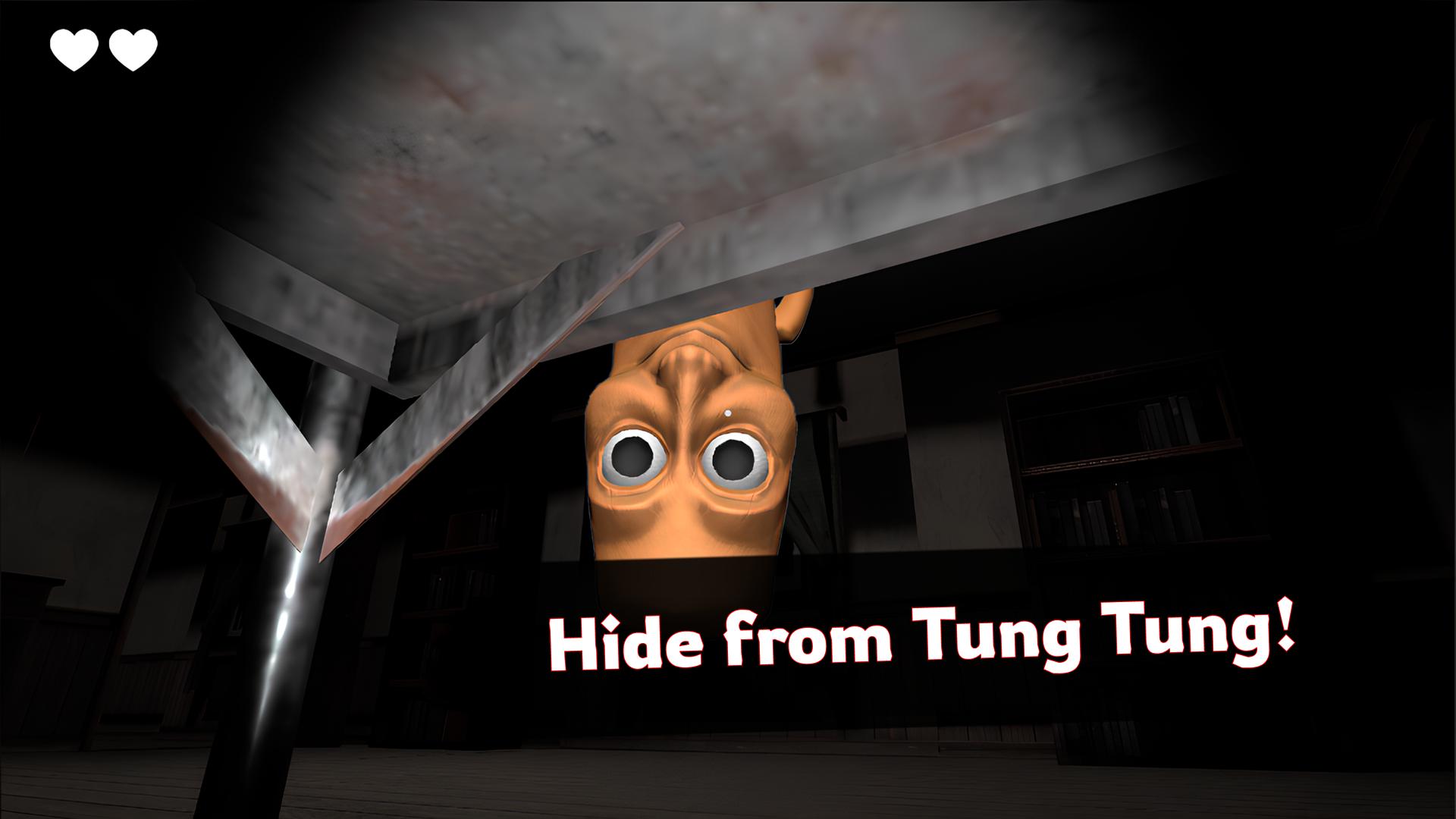
You’re lying in bed, the room is pitch black, and it’s roughly 3:00 AM during Ramadan. Then you hear it. It’s a rhythmic, metallic clanging—tung, tung, tung. Usually, this is the sound of local neighborhood watch groups or enthusiastic kids waking everyone up for the pre-dawn meal. But lately, the tung tung tung sahur horror stories have turned a wholesome tradition into a digital nightmare.
Traditional Sahur waking rituals, known as Obrog or Paturay Tineung in parts of Java, have existed for generations. People use bamboo slit drums (kentongan), empty gallon jugs, or even old frying pans. It’s loud. It’s chaotic. It’s effective.
But the internet has a way of warping reality.
Over the last few years, TikTok and Twitter (X) have been flooded with videos documenting eerie encounters during these hours. Sometimes, the rhythm is just wrong. Other times, the source of the sound isn't where it should be.
The Reality Behind the Tung Tung Tung Sahur Horror
Let's be honest: the "horror" part of this is mostly a mix of sleep deprivation, overactive imaginations, and a few genuinely strange viral clips. When you’re waking up at 3:00 AM, your brain isn't firing on all cylinders. This state, often called hypnopompic or hypnagogic hallucination, makes shadows look like figures and a neighbor's rhythmic banging sound like something from a supernatural entity.
The trend blew up because of a specific aesthetic.
The low-quality, grainy phone footage common in these videos adds to the "found footage" vibe. You've probably seen the ones where someone films through a window, and the street is completely empty, yet the tung tung tung sound is echoing from the end of the alley. It’s creepy because it’s familiar. Everyone in Indonesia knows that sound. When you take a familiar comfort and add a layer of the unexplained, you get a viral horror phenomenon.
Why the Sound Triggered a Social Media Frenzy
Social media algorithms love "unexplained" audio. In 2024 and 2025, we saw a massive uptick in creators using the tung tung tung sahur horror tag to share their own "true" stories. Some are clearly staged for views—we can tell by the suspiciously clean audio—but others tap into genuine local urban legends.
Take the "Lampor" legend, for example. In Javanese folklore, a Lampor is a supernatural being that travels with a procession of spirits. They often carry a coffin and are preceded by a loud, rhythmic sound. Locals often warn that if you hear a strange rhythm at night, you shouldn't look outside. The modern sahur waking groups inadvertently mimic this legendary procession.
It’s basically the perfect storm for a creepypasta.
Distinguishing Local Traditions from Creepy Encounters
It is important to remember that most of what people call horror is actually just Paur—the act of wandering around the village to wake people up. These groups are usually comprised of teenagers. They’re loud, they’re bored, and sometimes they like to play pranks.
If you hear the tung tung tung sound and it sounds like it's coming from your roof, it’s probably a cat, or a neighbor’s loose metal sheet rattling in the wind. However, the psychological impact of the tung tung tung sahur horror trope makes us jump to the worst conclusion.
There have been documented cases of "pranksters" dressing up as pocong (shroud ghosts) to scare people during sahur hours. While this is done for laughs, it has led to real-world accidents and even police interventions. In 2023, local authorities in several West Java regencies had to issue warnings against "horror-themed" sahur activities because they were causing genuine distress to the elderly and young children.
The Psychology of 3:00 AM
Why does 3:00 AM feel so heavy? Researchers often point to the "Dead of Night" phenomenon. It’s the time when our body temperature is at its lowest, and our melatonin levels are fluctuating wildly as we wake up for sahur.
- Your senses are heightened.
- Your fight-or-flight response is on a hair-trigger.
- Ambient noise carries further because the world is quiet.
When a group of kids bangs on a metal pipe three streets away, the sound bounces off the walls of the narrow alleys (gangs) common in Indonesian cities. This creates an acoustic delay. The result? A disorienting, ghostly sound that feels like it's right behind you.
Real Incidents vs. Digital Myths
We need to separate the TikTok "analog horror" from actual events. There are no verified reports of supernatural hauntings linked specifically to the tung tung tung sound that haven't been debunked as either natural phenomena or human activity.
However, the "horror" is real in terms of the atmosphere it creates. During the 2025 Ramadan season, digital folklore experts noted that the tung tung tung sahur horror search terms peaked on Tuesdays and Fridays—days traditionally associated with spiritual activity in Indonesian culture. This shows that the "horror" is a cultural construct as much as it is a digital trend.
You’ve likely seen the viral "Cirebon Sahur" video. It featured a group of kids waking the neighborhood when a "figure" appeared in the background of the shot. While skeptics pointed out it was likely a stray shadow or a trick of the light, the video garnered millions of views. This is how the myth perpetuates. It’s not about whether the ghost is real; it’s about the collective experience of being scared together.
How to Handle the Sahur "Scares"
If you find yourself getting genuinely creeped out by the sounds outside your window, there are a few practical things you can do to ground yourself.
First, remember the context. You are in a community where waking people up is a duty. The sound is a signal of community, not a threat. Second, if the sound is truly bothering you or seems "wrong," check with your local RT/RW (neighborhood heads). They usually know which youth groups are out and about.
Honestly, the biggest "horror" for most people isn't a ghost—it's the guy who uses a megaphone right outside your bedroom window at 3:15 AM.
Actionable Steps for a Peaceful Sahur
- Audit your environment: Before going to sleep, ensure windows are latched and loose items outside are secured. This prevents wind-driven "tung tung" sounds that mimic the ritual.
- Normalize the sound: If you have kids who are scared, explain the tradition to them. Show them videos of the local groups during the day so the sound loses its mystery.
- Limit late-night scrolling: Watching tung tung tung sahur horror videos right before you have to wake up for sahur is a recipe for a panic attack. Your brain will look for patterns in the noise it hears later.
- Use white noise: If you’re a light sleeper and the erratic rhythms of the sahur groups trigger your anxiety, a fan or a white noise machine can mask the distance and "ghostliness" of the sound.
The tung tung tung sahur horror phenomenon is a fascinating look at how ancient traditions and modern digital fears collide. It reminds us that even in a world of smartphones and high-speed internet, the dark hours of the early morning still hold a powerful grip on our collective psyche. Enjoy the sahur season, eat your meal, and remember: that sound in the alley is almost certainly just a teenager with an empty biscuit tin and a lot of energy.
Next Steps for Your Sahur Routine
To move past the "horror" and embrace the tradition, try connecting with your local community group. Understanding who is behind the noise usually removes the fear. If you are a content creator, focus on documenting the actual cultural beauty of the Obrog traditions rather than just the jump-scares. This helps preserve the real history of the practice while keeping the spooky myths in the realm of entertainment where they belong.