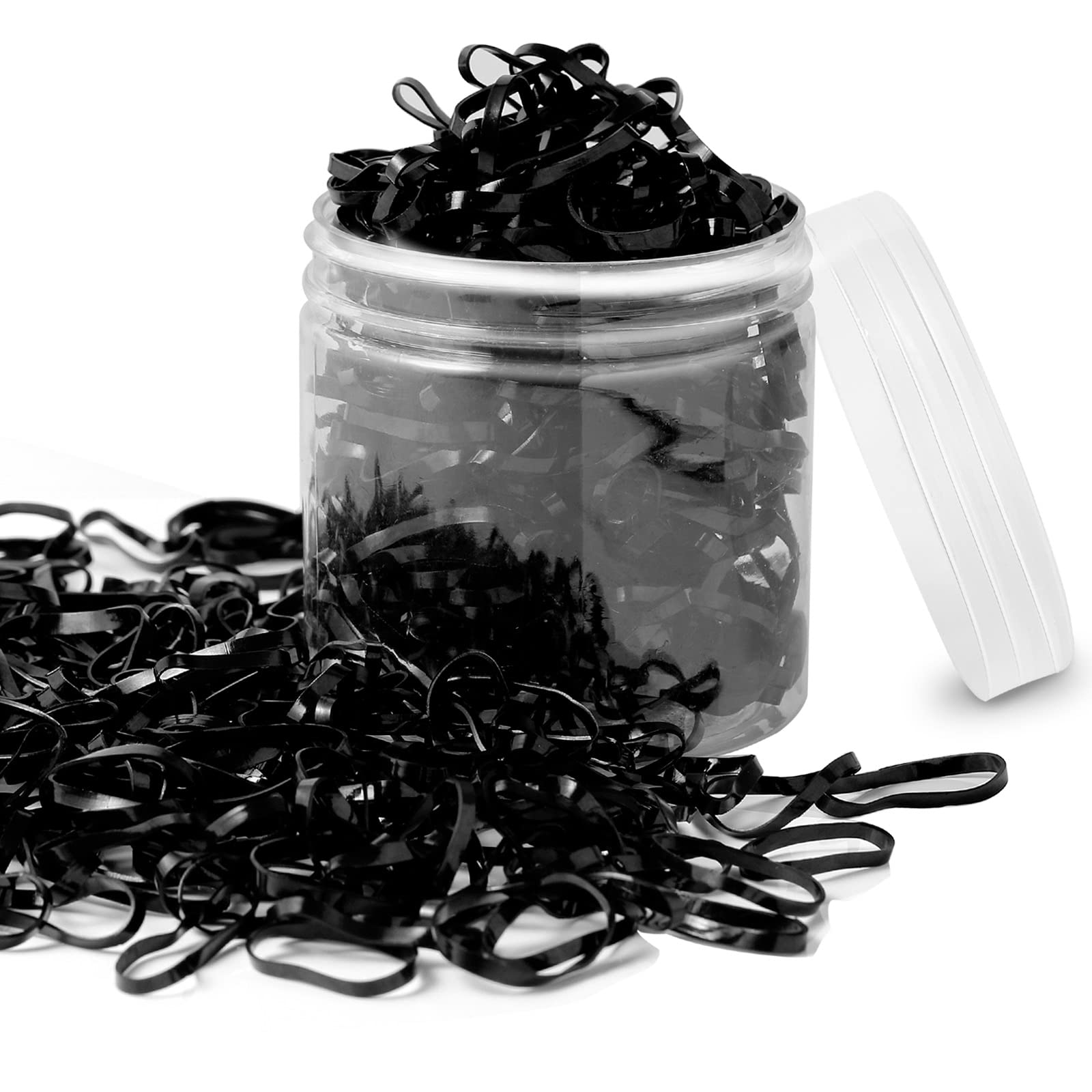
You’ve probably seen it on TikTok or Instagram. A thin, stretchy black band sitting right against the skin of a girl's midriff. It’s not exactly jewelry. It’s definitely not a belt. But the trend of wearing black hair ties on waist lines has become a weirdly specific cultural signal that means a dozen different things depending on who you ask. Honestly, if you grew up in the 90s, you might just think someone forgot their ponytail holder was there. But today? It’s a whole aesthetic.
Sometimes it's about fashion. Sometimes it's about signaling. And sometimes, it's just a practical way to keep a baggy shirt from looking like a potato sack.
What’s the Deal With Wearing a Black Hair Tie on Your Waist?
The most common reason people are doing this right now is the "cropped" look. Not everyone wants to take scissors to a $60 vintage tee. By grabbing the excess fabric of a shirt, bunching it up, and securing it with a black hair tie right at the waistline, you create an instant DIY crop top. You tuck the knot under, and suddenly, you have a cinched silhouette without a permanent commitment to the scissors.
It’s a hack. Pure and simple.
But there is a darker side to the conversation that often gets overlooked in fashion circles. In certain online communities, specifically those revolving around body image and "body checking," a black hair tie on waist measurements can be a tool for tracking weight or showing off a specific frame. It's a subtle, almost "if you know, you know" kind of marker. Because a standard hair tie has a specific circumference, being able to fit one around your waist—even if it's stretched to its limit—becomes a point of comparison.
We have to talk about the "Red Bracelet" vs. "Black Hair Tie" distinction too. Years ago, different colored wristbands were used as secret codes for eating disorders (pro-ana or pro-mia). While a black hair tie isn't a 1:1 replacement for those specific codes, the crossover in "coquette" or "soft girl" aesthetics often blurs the line between a cute outfit choice and a more concerning obsession with thinness.
The Viral Origin: TikTok and the Cinch Hack
Social media moves fast. One day, everyone is wearing claw clips; the next, they're using hair ties to transform oversized hoodies. On TikTok, the "hair tie waist hack" went viral because it solved a genuine problem for people who love the "oversized but still feminine" look.
Basically, you take two hair ties. You gather the fabric at your hips. You loop them. You tuck.
It looks better than a rubber band because it’s softer on the fabric. Black is the color of choice because it blends into the shadows of the folds. If you use a neon pink one, the secret is out. Using a black hair tie on waist fabric keeps the illusion alive that the shirt just happens to drape perfectly.
Why Black?
- It's discrete.
- It matches most leggings or biker shorts.
- Most people already have ten of them rolling around the bottom of their bag.
- It doesn't look like a "medical" or "utilitarian" item.
Is it a Relationship Status Thing?
There is a long-standing "lore" in high schools and on college campuses about what hair ties mean. You know the one—where a guy wears a girl's hair tie on his wrist to show he’s taken. Some people have tried to bridge that logic to the waist trend.
Is a black hair tie on waist a sign of being "claimed"?
Not really. While the wrist thing is a solid "maybe," the waist trend is almost exclusively a solo fashion statement or a body-tracking habit. There’s no widely recognized romantic "code" for this specific placement. If someone tells you otherwise, they’re probably overthinking a TikTok they saw at 3 AM.
The Physical Reality: Does it Actually Stay?
Let’s be real for a second. Wearing a literal hair tie around your bare waist is uncomfortable.
Standard Scunci or Goody brands are meant for hair. They have a certain amount of tension. If you’re using it as a "belt," it’s going to dig in. It leaves marks. It rolls. If you are using it to cinch a shirt, that’s fine. But the "bare skin" look is mostly for the photo. Most influencers who post photos with a black hair tie on waist aren't walking around like that for eight hours. It’s a "for the ‘gram" aesthetic.
The friction against the skin can cause irritation. If the hair tie has that little metal joiner—the kind that always snags your hair—it’s going to scratch you. Pro tip: if you’re doing this for a photoshoot, use the seamless nylon ones. Your skin will thank you.
The Semantic Shift: From Utility to Aesthetic
We’ve seen this happen before with "VSCO girls" and scrunchies. Trends take a mundane object and turn it into a symbol. The black hair tie on waist trend is the "dark academia" or "grunge" version of the scrunchie. It’s less "preppy" and more "effortless/waifish."
It fits into the "Heroin Chic" resurgence that fashion critics have been worried about since 2022. When high-fashion runways started moving away from the "BBL era" curves and back toward the ultra-thin aesthetics of the late 90s, the accessories followed. A thin black line around a midriff emphasizes a flat stomach. It draws the eye to the very thing the aesthetic prizes most.
Real-World Examples of the Trend
You’ll see this a lot in "Get Ready With Me" (GRWM) videos.
Example 1: The "Thrift Flip." A creator buys a 3XL t-shirt. Instead of sewing it, they use the hair tie method to show how it could look if it were tailored. It’s a temporary fix for a video.
Example 2: The "Body Checker." A creator poses in a mirror, often wearing low-rise sweats. The black hair tie on waist is visible. It isn't holding up any clothes. It's just... there. In this context, it functions more like a waist chain or a piece of jewelry, but with a more "industrial" or "casual" vibe.
Addressing the Health Concerns
It’s impossible to talk about this without mentioning the "ribbon scale" or "waist-binding" history. Historically, women used ribbons to measure their waists daily. A hair tie is just a modern, elastic version of that.
Psychologists and experts in body dysmorphia often point to these "small behaviors" as red flags. If someone is using a black hair tie on waist measurements to ensure they haven't "grown" or to feel the tension of the band as a reminder not to eat, it moves out of the realm of fashion and into the realm of mental health. It’s a subtle form of monitoring.
However, we shouldn't generalize. For a huge portion of the population, it's just a way to make a $5 Hanes shirt look like it came from a boutique.
How to Do the Waist Cinch Properly (If You Must)
If you're just here for the fashion hack, there's a right way to do it so you don't ruin your clothes.
- Don't use the metal-clasp ties. They will rip the threads of your shirt. Use the seamless "Ouchless" versions.
- Gather from the back. If you cinch the front, it looks bunchy and weird. If you gather the excess fabric at the small of your back and tie it there, the front of the shirt stays flat and smooth.
- Tuck inward. Don't let the "ponytail" of fabric hang out. Flip it up and under the hem of the shirt.
- Watch the tension. If the tie is too tight, it will pull the fabric into a starburst pattern that looks messy. You want a gentle drape.
The Verdict on Black Hair Ties on Waist Lines
Is it a trend that will last? Probably not. Like the "long belt" trend or the "tucked-in-socks" look, it has a shelf life. It’s too uncomfortable for the average person to do daily.
But for now, the black hair tie on waist remains a weirdly powerful symbol on social media. It’s a mix of DIY fashion, body-image signaling, and "off-duty model" vibes. Whether it's a clever way to style a wardrobe or something a bit more concerning depends entirely on the intent of the person wearing it.
Actionable Steps for Navigating This Trend:
- Check your "Why": If you're doing this to style a shirt, go for it. If you're doing it to "feel thin" or track your size, it might be time to step back from the mirror and talk to someone.
- Invest in actual tailoring: If you find yourself cinching every shirt you own, spending $10 at a local tailor to actually hem the shirt will look 100x better than a bunched-up hair tie.
- Prioritize skin health: Avoid wearing elastic bands directly on your skin for long periods. It can cause contact dermatitis or "pressure hives" (urticaria) if the elastic is too tight.
- Use the "Safety Pin" method instead: If you want a cinched look without the bulk of a hair tie, a safety pin on the inside of the garment is much more discrete and professional.
The reality is that a black hair tie on waist is just a tool. It’s a piece of elastic. We give it meaning by how we use it. Use it to be creative with your closet, but don't let it become a metric for your self-worth.