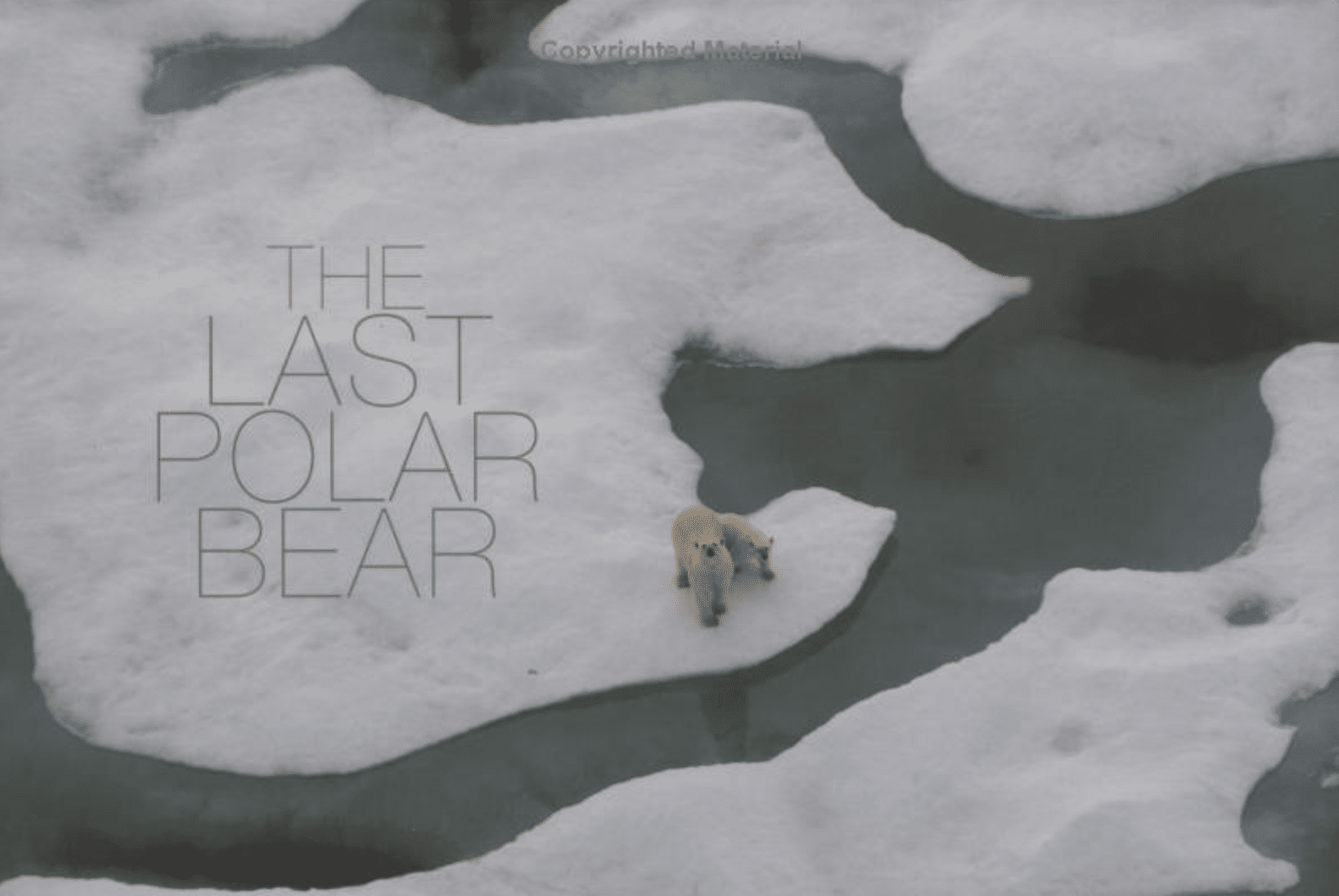
If you’ve spent any time on the darker corners of the internet or scrolled through sensationalist social media feeds over the last few years, you’ve likely seen the headline. It’s a gut-punch. People claim the last polar bear hangs itself in prison, or some variation involving a captive bear committing suicide out of sheer misery.
It sounds like a tragic metaphor for our times. But here is the thing: it never happened. Not like that.
Polar bears don't have the physiological capability or the conceptual understanding of a noose to "hang" themselves. However, the story persists because it taps into a very real, very painful history of a specific bear named Arturo. He wasn't the "last" polar bear—there are thousands in the wild and hundreds in zoos—but he was often called the "world’s saddest bear."
The Real Story Behind the Last Polar Bear Myth
Arturo lived in the Mendoza Zoo in Argentina. It was hot. Terribly hot. Temperatures in Mendoza can easily climb past 38°C (100°F). For an animal evolved to thrive in the Arctic Circle, this was a literal hell on earth.
He lived in a concrete enclosure. The water in his pool was often shallow and murky. For twenty years, Arturo paced. He rocked his head back and forth. Biologists call this "zoochosis"—a repetitive, obsessive behavior found in animals kept in sub-optimal conditions. It's a sign of psychological collapse.
When people search for stories about the last polar bear hangs itself in prison, they are usually reacting to the viral photos of Arturo splayed out on his stomach, pressed against the hot concrete, looking for any shred of coolness. He died in 2016 at the age of 31. He didn't take his own life in a literal sense; he died of "circulatory complications" and old age, though many activists argue he died of a broken heart after his companion, Pelusa, passed away years earlier.
Why Do These Hoaxes Go Viral?
Internet algorithms love a tragedy.
The phrase "hangs itself in prison" is clickbait, plain and simple. It frames a zoo as a "prison"—which, for Arturo, it arguably was—and attributes human-level suicidal intent to a predator. We see a bear in distress and we project our own deepest fears of isolation and confinement onto it.
Honestly, the truth is depressing enough without the fabrication.
Captivity in the Modern Era: A Different Kind of Sentence
We have to talk about the ethics of keeping "charismatic megafauna" in climates they aren't built for. Arturo's case became a flashpoint for the global animal rights movement.
Cher, the legendary singer, even got involved. She tweeted at the Argentine president, begging for Arturo to be moved to Canada. It didn't happen. The zoo claimed he was too old to be sedated for a long-haul flight. They said the move would kill him. So, he stayed in the heat until the end.
This isn't just about one bear in Argentina.
- Enclosure size: Most polar bear exhibits are one-millionth the size of their natural home range.
- Climate mismatch: Keeping an Arctic species in a desert or subtropical climate requires massive infrastructure that many older zoos simply don't have.
- Social isolation: Polar bears are largely solitary in the wild, but in captivity, the lack of stimulation leads to the "zombie-like" pacing people mistake for suicidal intent.
The myth that the last polar bear hangs itself in prison actually does a disservice to the real work being done. When we focus on fake stories of bear suicide, we ignore the slow, grinding reality of habitat loss in the Hudson Bay or the plight of bears currently in substandard roadside zoos.
What Science Says About Animal Self-Harm
Can animals commit suicide? It's a heavy question.
Dr. Alexandra Horowitz and other cognitive scientists have looked into "self-destructive" behaviors in animals. While whales beach themselves and dogs might refuse to eat after a master dies, the intentionality is different from human suicide. Animals don't "plan" their deaths to escape a conceptual future.
Instead, they experience profound, acute stress.
In Arturo's case, his "prison" was the lack of sensory input. No ice. No seals to hunt. No miles of tundra to trek. Just the same four concrete walls and a crowd of tourists. If you see a headline saying the last polar bear hangs itself in prison, understand it as a metaphor for the total psychological breakdown of a majestic animal.
The State of Polar Bears in 2026
We aren't at the "last bear" stage yet.
According to the IUCN Polar Bear Specialist Group, there are 19 subpopulations of polar bears. Some are declining rapidly due to sea ice melt; others are actually stable for now.
But the "prison" narrative isn't just about zoos.
As the ice disappears, bears are forced onto land. They end up in human settlements looking for food. In places like Churchill, Manitoba, they actually have a "Polar Bear Jail." It's a holding facility for bears that wander into town too often. They stay there for a few weeks—no food, to discourage them from coming back—and are then airlifted back to the ice.
It's a bizarre, necessary intervention. It’s a prison, but one designed to keep them alive and away from human bullets.
Identifying Fake News and Viral Outrage
You've probably seen the "starving polar bear" video from National Geographic a few years back. The one where the bear is dragging its back legs? It became the face of climate change.
Later, scientists pointed out that while climate change is a massive threat, that specific bear likely had cancer or a degenerative nerve disease. It wasn't necessarily starving because the ice was gone; it was dying because it was sick.
The last polar bear hangs itself in prison story follows the same pattern. It takes a kernel of truth—animal suffering—and wraps it in a lie to maximize shares.
Moving Toward Real Solutions
If the story of Arturo or the fake headlines about bear suicide upset you, the best response is action, not just sharing a post.
The survival of the species depends on two things: carbon emission reduction and habitat protection.
Zoos are changing, too. Many modern facilities have shifted toward "naturalistic" enclosures. They use chilled water, massive ice machines, and "enrichment" activities that force the bear to work for its food. It’s not the wild, but it’s a far cry from the concrete pit Arturo endured in Mendoza.
If a zoo can't provide a sub-freezing environment and at least several acres of space, they shouldn't have a polar bear. Period.
Actionable Steps for Animal Advocacy
Instead of falling for sensationalist headlines, look at the data.
Support organizations like Polar Bears International. They track sea ice and work on "coexistence" projects in the Arctic.
Check the accreditation of your local zoo. In the US, the AZA (Association of Zoos and Aquariums) has much stricter standards than non-accredited "roadside" attractions. If a facility isn't accredited, don't give them your money.
Pressure governments to implement stricter laws regarding the transport of aging animals. Arturo should have been moved when he was younger. The "too old to move" excuse is often a result of waiting too long to admit a mistake was made.
The legend of the last polar bear hangs itself in prison is a myth, but the suffering it describes is a reality for many animals. We owe it to them to get the facts right. Understanding the difference between a viral lie and a complex ecological crisis is the first step toward actually making a difference.
Stop sharing the "suicide" stories. Start looking at the ice charts. The bears don't need our metaphors; they need their habitat.
To stay informed on the actual status of polar bear populations, monitor the annual reports from the IUCN Red List and the Svalbard Polar Bear Research teams. These sources provide the peer-reviewed data necessary to bypass social media hysteria. If you want to help bears in captivity, advocate for the "Global Federation of Animal Sanctuaries" standards, which prioritize the animal's psychological well-being over public display. Focus on legislative support for the Endangered Species Act and international agreements like the Agreement on the Conservation of Polar Bears, which remains the backbone of circumpolar protection efforts.