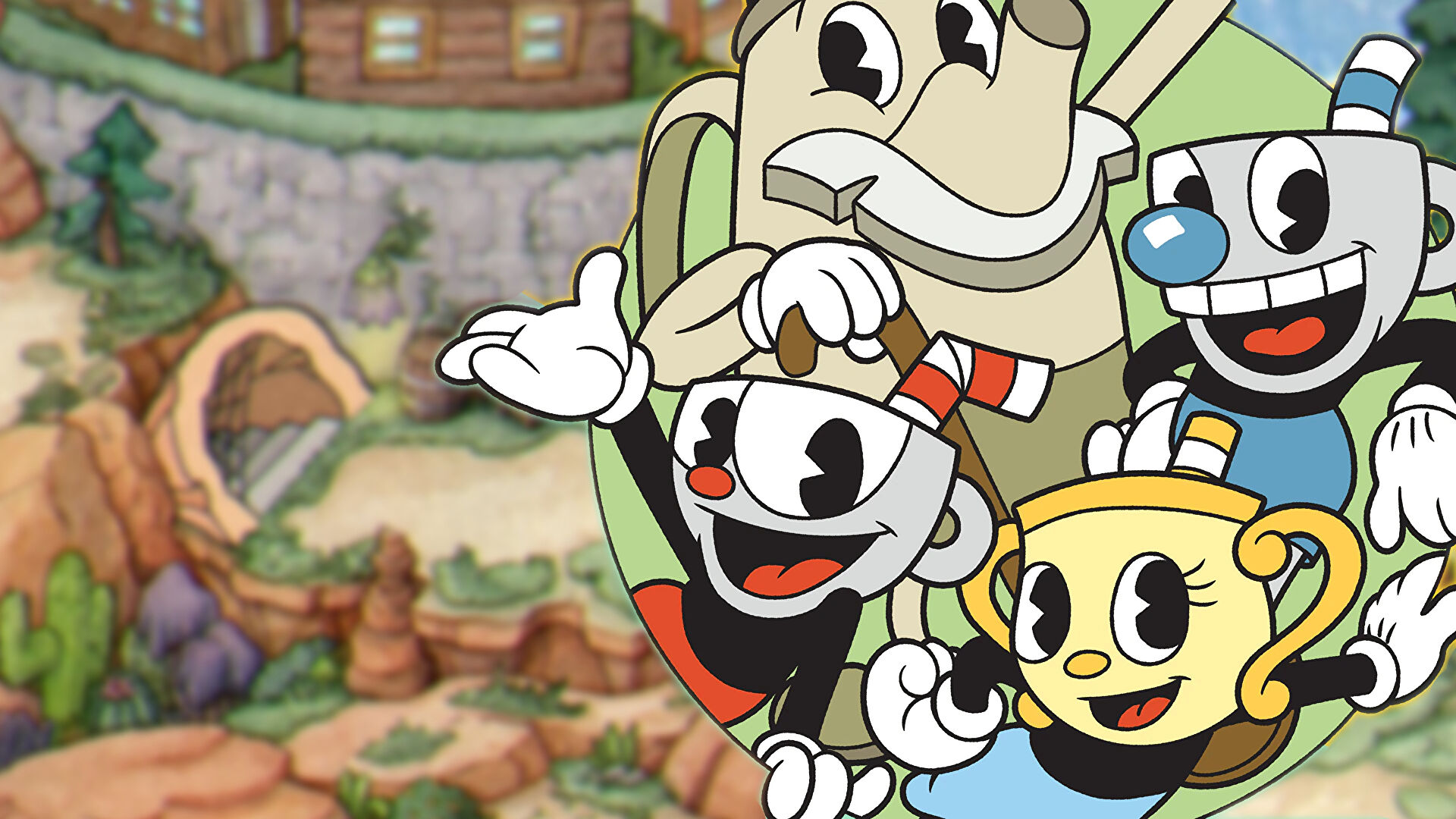
It was the tutorial that launched a thousand memes. Back in 2017, Dean Takahashi, a veteran tech writer for VentureBeat, sat down at Gamescom to play a preview build of Cuphead. He struggled. For twenty-six painful minutes, the world watched a Cuphead video game journalist fail to perform a basic dash-jump to clear a ledge.
He couldn't get past the opening level.
The internet did what the internet does best: it exploded. The footage became a lightning rod for a massive, often ugly debate about the competency of people who get paid to critique games. It wasn't just about one guy being bad at a platformer. It became a cultural proxy war. On one side, you had "hardcore" players demanding that reviewers be high-level experts. On the other, you had people arguing that accessibility and diverse perspectives matter more than raw mechanical skill.
Honestly, it’s kinda wild that we’re still dissecting this nearly a decade later. But the "Cuphead incident" fundamentally changed how the industry views the relationship between player skill and critical authority.
What Actually Happened in the Cuphead Video?
Let's look at the facts. Takahashi isn't a "bad" writer. Far from it. He’s a seasoned reporter who has covered the business of silicon chips and hardware for decades. But Cuphead is a brutal, unforgiving homage to 1930s animation and "Nintendo Hard" mechanics.
The video shows Takahashi ignoring the on-screen prompts. The game literally tells him to jump and dash. He jumps. He doesn't dash. He hits the pillar. He tries again. He fails again. For over two minutes, he is stuck on the very first obstacle of the tutorial.
The Fallout was Instant
VentureBeat originally posted the video with a self-deprecating headline. They knew it was embarrassing. What they didn't expect was the sheer vitriol. Prominent YouTubers and Twitter personalities held it up as "Exhibit A" for why mainstream game journalism was out of touch. The argument was simple: If you can't play the game, how can you tell me if it's good?
But here is the nuance most people missed. Takahashi wasn't the one reviewing the game for VentureBeat. He was a lead writer providing "first look" footage. The actual review was eventually handled by someone else. Does that matter? To the angry mobs, no. To the industry, it raised a massive question about optics and the "expert" label.
The Myth of the Elite Gamer Journalist
There’s this weird expectation that every Cuphead video game journalist needs to be able to speedrun Dark Souls blindfolded. It’s a standard we don't apply anywhere else. We don't expect sports journalists to dunk like LeBron James. We don't expect film critics to be able to direct an Oscar-winning sequence.
However, gaming is different because it's performative and interactive.
If a movie critic falls asleep in the first ten minutes, their review is invalid. If a game journalist can't get past the tutorial, they haven't actually seen the content they are supposed to be evaluating. That’s the core of the frustration. It’s about the barrier to entry. Cuphead is famous for its boss fights—Grim Matchstick, Dr. Kahl's Robot, King Dice. If you can't get past the tutorial, you never see the "art" that makes the game a masterpiece.
Complexity and Context
I remember talking to a few colleagues about this back when it happened. One argued that Takahashi’s struggle was actually valuable information. It showed that Cuphead wasn't just "challenging"—it was potentially unintuitive for someone not steeped in modern platforming tropes.
Is that a reach? Maybe.
Most people just saw incompetence. But it forced a conversation about "skill-gating." If a game is so hard that a casual or older player can't even start it, is that a flaw in the game or a "skill issue" for the player? Cuphead developer StudioMDHR clearly leaned into the difficulty as a feature, not a bug.
Why the Controversy Refuses to Die
The reason this specific instance of a Cuphead video game journalist failing became a permanent part of gaming lore is because of the timing. It happened right as the "culture wars" in gaming were reaching a fever pitch.
- Gatekeeping: The incident was used to justify keeping "casuals" out of the hobby.
- Professionalism: It sparked a legitimate debate about whether outlets should vet the skill levels of their staff before assigning certain genres.
- The "Easy Mode" Debate: It reignited the perennial argument over whether every game should have an easy mode (which Cuphead sort of does, though "Simple" mode skips phases and prevents you from finishing the game).
Takahashi eventually wrote a piece titled "Leadbeater was right," referencing a 1920s educator, basically admitting he played like a "clueless dork." He took it on the chin. But the damage to the reputation of "professional" critics was already done in the eyes of many.
Real-World Impact on Game Reviews Today
You'll notice that since the Cuphead era, many major outlets have changed how they present gameplay. You see fewer raw, unedited "fails" unless the failure is the point of the video.
Editors started realizing that showing poor play isn't just "relatable"—it's perceived as a lack of respect for the craft of the developers. If you're going to showcase a game like Sekiro or Elden Ring, you better make sure the person holding the controller knows how to parry.
The Accessibility Counter-Argument
We have to mention the flip side. Organizations like AbleGamers have pointed out that the "git gud" mentality sparked by the Cuphead video game journalist drama can be incredibly exclusionary. Not everyone has the motor skills or the reaction time to master Cuphead. When we demand that all journalists be "elite," we effectively silence the voices of players with disabilities or those who play for story and art rather than mechanical mastery.
The industry is still trying to find that middle ground. How do you balance the need for "expert" analysis with the need for a "generalist" perspective that reflects how most people actually play?
Actionable Insights for Navigating Game Criticism
If you’re a consumer of gaming media, or even someone looking to get into the field, there are a few things to take away from the Cuphead saga.
1. Know the Author's Niche
Before you get angry at a review, look at what the writer usually covers. A hardware specialist like Takahashi isn't going to have the same "frame data" knowledge as a fighting game enthusiast. Look for reviewers whose tastes and skill levels align with your own.
2. Demand Transparency, Not Perfection
It’s okay if a reviewer finds a game hard. It’s not okay if they hide that they couldn't finish it. The best reviews are honest about where the player struggled. If they used an "Easy Mode" or a guide, they should say so.
3. Separate Skill from Analysis
You can be bad at a game and still have brilliant insights into its narrative, its sound design, or its economic impact. Don't throw the baby out with the bathwater just because someone missed a jump in a tutorial.
4. Check the Footage Sources
Often, the person writing the review isn't the one capturing the B-roll footage you see on YouTube. Large sites often share "capture kits." If the gameplay looks shaky, it might not even be the reviewer's hands on the controller.
The Cuphead video game journalist meme serves as a permanent reminder that in the world of gaming, the "how" you play is often just as scrutinized as the "what" you think. It's a tough gig. One wrong move on a tutorial pillar and you might just become a footnote in gaming history for all the wrong reasons.
Instead of focusing on the failure, look at the discourse it created. It pushed developers to think more about onboarding and forced journalists to be more mindful of their presentation. It was a painful moment for the person involved, sure, but it was a necessary growing pain for a medium that is still figuring out how to be taken seriously as both art and sport.
Check the credits on the next review you read. See if they mention their playstyle. That transparency is the direct result of twenty-six minutes of struggling in a 1930s cartoon world.
Key Takeaways for Game Fans
- Skill matters in presentation: If you are showcasing a game, competence is part of the "vibe" and respect for the art.
- Diverse perspectives are vital: We need both the "pro" view and the "everyman" view to get a full picture of a game's quality.
- Context is king: A tech reporter's preview is not the same as a dedicated critic's final score.
Don't just watch the memes. Read the actual articles. You'll find that the "Cuphead incident" was less about a single guy failing a jump and more about an industry struggling to define what an "expert" looks like in a digital age.
What to do next
If you're interested in how this affected game design, look up "Cuphead's Simple Mode" and read the developer interviews from StudioMDHR regarding their philosophy on difficulty. It provides a fascinating look at how they balanced their artistic vision with the outcry for better accessibility that followed the 2017 controversy.