You know the sound. That rhythmic, clicking beat and the upbeat synth track that has soundtracked a billion commutes since 2012. You're dodging inspector-shaped obstacles, swiping left to avoid a pillar, and jumping onto a moving train to grab a handful of floating gold coins. It's harmless. It's a colorful, vibrant world where gravity is a suggestion and the biggest threat is a grumpy guy with a dog. But lately, people have been trying to bring subway surfers in real life to the actual tracks, and honestly, it’s getting incredibly dark.
The gap between the digital joy of SYBO Games' masterpiece and the cold, hard steel of a New York City or London transit line is massive. While the game celebrates a sort of rebellious, artistic freedom, the real-world equivalent—subway surfing—has turned into a literal crisis for transit authorities and families alike.
Why the "Subway Surfers" Aesthetic is Bleeding into Reality
The game didn't invent train surfing. Not even close. People have been riding the outside of trains since the 1800s, usually out of necessity or extreme poverty. But the aesthetic of the app—the spray paint, the adrenaline, the "catch me if you can" vibe—has definitely reframed how a new generation looks at the tracks.
In the game, if you hit a signal pole, you just spend a "key" and keep running. In the real world, the physics are unforgiving. We are seeing a massive surge in transit-related incidents that local officials in cities like New York directly attribute to the desire for social media clout. It’s a pursuit of a "Subway Surfers in real life" moment that can't be paused or restarted.
The Social Media Catalyst
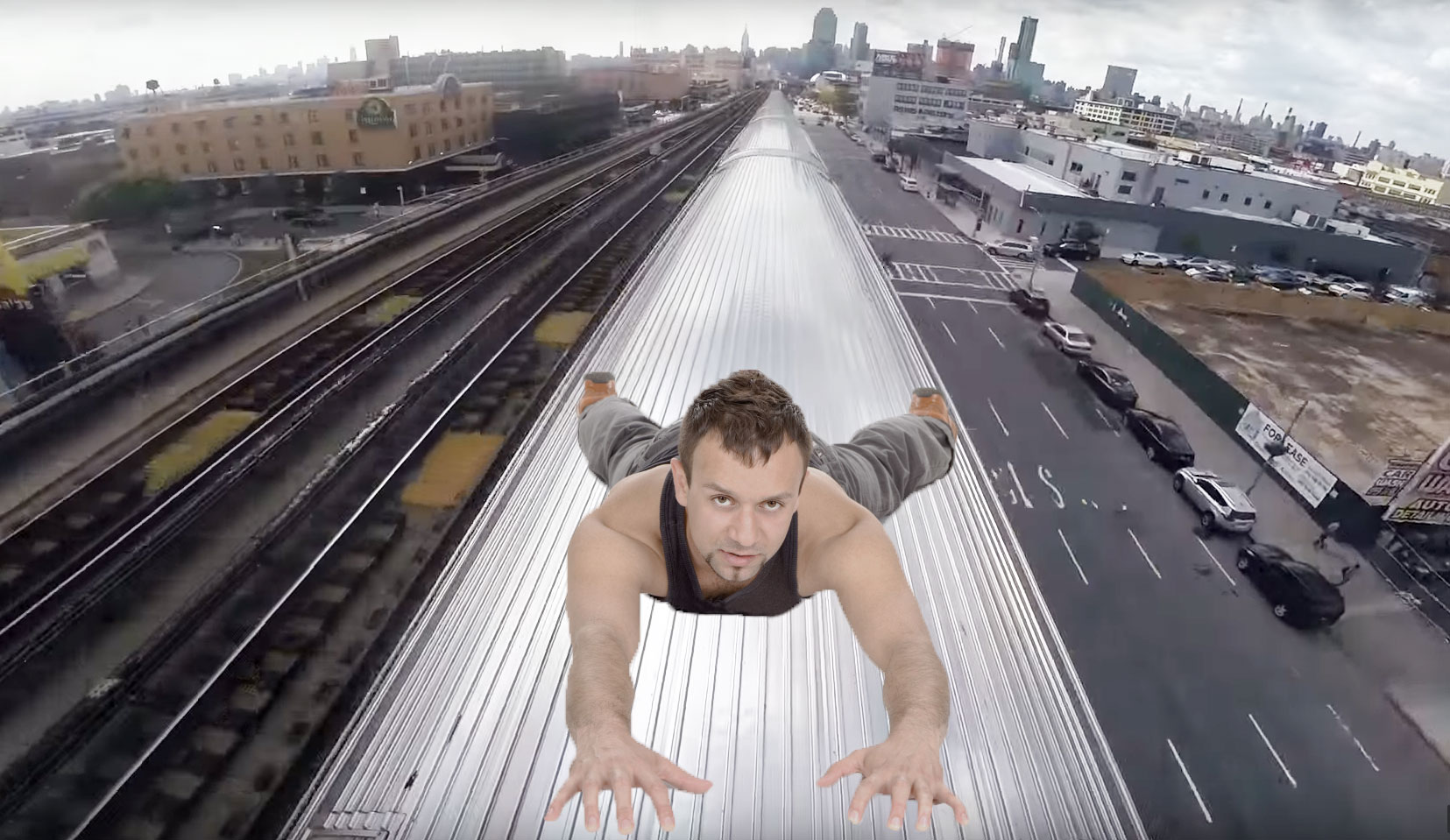
TikTok and Instagram Reels have changed the stakes. It's not just about the thrill anymore. It's about the footage. You’ve probably seen the videos: grainy, wide-angle shots of teenagers standing on top of a moving 7 train as it crosses the bridge into Manhattan. They look like characters from the game. The wind is whipping through their hair, the skyline is glowing, and for a second, it looks cinematic.
But then you look at the stats. According to the MTA (Metropolitan Transportation Authority), reports of people riding outside of trains rose by over 160% between 2021 and 2023. These aren't just numbers. These are kids. In 2023 and 2024, the headlines were relentless. A 14-year-old in Brooklyn. A 15-year-old in Queens. They were trying to live out the game, and they didn't make it to the next station.
The Physical Reality vs. Game Mechanics
Let's talk about the actual mechanics for a second because the game lies to you about how space works. In the app, there is a generous amount of clearance between the top of the train and the tunnels. You can stand tall, jump, and even hoverboard.
Real subways? They are built with "tight clearances."
- The 2-Inch Rule: In many older tunnel systems, the gap between the roof of a train car and a steel support beam or an electrical signal box can be as little as two to five inches.
- The Wind Resistance: When a train hits 40 or 50 miles per hour, the wind force isn't just a breeze; it’s a physical weight trying to push you off balance.
- Sway and G-Force: Tracks aren't perfectly straight. A "hunting oscillation"—that side-to-side wobble trains get at high speeds—can toss a person off the roof in a heartbeat.
Basically, the game makes the environment look like a playground, but the actual infrastructure is a high-voltage, low-clearance machine designed to move steel, not accommodate human bodies on its exterior.
The Role of Graffiti Culture
We can't ignore the "Surfer" part of the name. The game starts with the protagonist, Jake, getting caught tagging a train. Graffiti has always been the DNA of this world. For many, the transition to subway surfers in real life starts with the desire to reach "unreachable" spots to leave a tag.
Experienced writers often talk about the "vandal's itch." It’s that drive to see your name moving through the city. But even the most legendary graffiti artists usually warn against the surfing aspect. There’s a difference between sneaking into a lay-up (where trains are parked) and trying to stay on top of a moving J train while dodging a bridge.
What Transit Authorities are Doing (And Why it’s Failing)
Authorities are desperate. They’ve tried "tough on crime" approaches, and they’ve tried empathy. In New York, the "Subway Surfing Kills - Ride Inside, Stay Alive" campaign actually used student-designed art to reach peers. It was a smart move—using the visual language of the kids instead of a boring government PSA.
They’ve also deployed drones. NYPD now uses drones to monitor outdoor elevated tracks, hoping to spot groups on top of cars before the train enters a tunnel. But the "cat and mouse" nature of it all just seems to fuel the fire for some. The adrenaline of being watched by a drone is just another layer of the game for a 16-year-old with a GoPro.
The Engineering Problem
Can you make trains "un-surfable"? It’s harder than you think.
You can't exactly put spikes on the roof. Some cities have tried installing "anti-climb" brackets between cars, which are designed to prevent people from using the space between the carriages as a ladder. But determined individuals always find a way. The issue isn't just the equipment; it's the culture. As long as the "Subway Surfers in real life" aesthetic is viewed as a peak viral moment, the physical barriers will only be seen as obstacles to overcome.
The Psychological Hook: Why Do People Do It?
Psychologists often point to "risk-taking behavior" in the adolescent brain, which isn't exactly breaking news. The prefrontal cortex—the part of the brain that says "hey, this might end badly"—isn't fully baked until your mid-20s.
But there’s more to it. There’s a phenomenon called "gamification of reality." When you spend hundreds of hours in a digital environment that rewards risky movement, the real-world version of that environment starts to look like a level to be beaten. It’s a strange sort of dissociation. You aren't standing on a 40-ton hunk of electrified metal; you’re just "playing the level."
Real Expert Insight: The Transit Worker Perspective
I spoke with a veteran transit worker who asked to remain anonymous. He’s been a conductor for twenty years. "You don't just see the person fall," he told me. "You feel the 'thump.' And then the power goes out. And then you have to go out there with a flashlight and find what’s left."
That’s the part the TikToks don't show. They don't show the trauma of the train operator who has to live with the image of a kid hitting a beam. They don't show the thousands of commuters stuck in a hot tunnel for three hours because a "surfer" hit the third rail.
Acknowledge the Nuance: Is it All About the Game?
It would be lazy to blame SYBO or the game entirely. The game is a work of fiction, no different than Grand Theft Auto or Mission Impossible. Millions of people play it and never once think about climbing a real train. The problem arises when the digital world overlaps with a lack of safe, high-adrenaline outlets for youth in urban environments.
In London, "train surfing" is often linked to the "urban exploring" (urbex) community. These aren't necessarily gamers; they are photographers and thrill-seekers. They view the transit system as a skeletal map of the city that they have every right to explore.
Moving Toward a Safer Reality
If you’re a fan of the game and you find yourself staring at the tracks thinking it looks "easy," you need to realize that the game is a curated lie. The physics are wrong. The clearances are wrong. The consequences are non-existent.
How to channel that energy instead:
- Parkour and Freerunning Gyms: If you want to move like Jake or Tricky, go to a parkour gym. You’ll learn how to actually fall, roll, and jump in a way that won't result in a closed-casket funeral.
- Digital Creation: The "Subway Surfers in real life" trend is actually most impressive when it’s done via CGI. There are incredible creators on YouTube who use Blender and After Effects to put themselves in the game world safely.
- Legal Street Art: If it's the graffiti aesthetic you love, find a legal wall. Many cities have designated zones where you can spend five hours on a piece without having to look over your shoulder for the police.
- Transit Photography: You can capture the "vibe" of the subway from the platform. Long exposure shots of moving trains can look just as cinematic as a roof-top video, without the 600-volt risk.
The reality is that subway surfers in real life is a tragedy disguised as a trend. The game is a masterpiece of mobile entertainment, but it belongs on your screen, not on the roof of a moving train. Stay on the platform, keep your head up, and remember that in the real world, you only get one life—no keys, no hoverboards, and no restarts.
If you or someone you know is looking for ways to get involved in the "urbex" or "graffiti" scene, start by looking for local community centers that offer mural programs or extreme sports facilities. It's possible to find that rush without becoming a statistic on the evening news. The goal is to keep the "surfing" in the app and keep yourself on the right side of the tracks.