If you saw Snoop Dogg gliding across the stage during the 2022 Super Bowl halftime show, you saw more than just a dance. You saw a piece of Los Angeles history.
For a few seconds, while the world watched Dr. Dre and Mary J. Blige, Snoop broke into those signature rhythmic shuffles. His feet moved in a way that looked effortless, almost liquid. Most people call it the "C-Walk." But if you ask anyone from the streets of Long Beach or Compton, they’ll tell you it’s a lot heavier than just a "cool move" for a pop audience. Honestly, it’s kinda wild that a dance with such a dark, territorial origin became a global TikTok trend.
The Snoop Dogg C Walk isn't just a performance. It is a cultural tightrope walk.
The Origins They Don't Teach You in Dance Class
The Crip Walk (or C-Walk) started in the 1970s. It wasn't meant for MTV. It wasn't meant for "The Next Episode" music video. Originally, members of the Crips gang in South Central L.A. used it as a symbolic language. It was a way to spell out gang names with their feet or, more grimly, to "disinfect" a rival's territory.
Imagine this: a gang member just finished a confrontation. They’d stand on the corner and use those V-shaped heel-toe movements to literally "write" their gang’s initials on the pavement. It was a victory lap. It was a warning.
By the time Snoop Dogg hit the scene in the early 90s, the dance was transitioning. It started showing up in the background of videos. Rappers like WC (Dub C) from Westside Connection were the ones who really brought the footwork to the camera first. WC would do it with a grimace, making it clear this wasn't for everybody.
Then came Snoop.
How Snoop Dogg Made the C-Walk Global
Snoop has a way of making everything look smooth. He took a dance that was essentially a "keep out" sign and turned it into a vibe.
In the "Drop It Like It's Hot" era, you’d see him doing a light version of the shuffle. He wasn't necessarily spelling out "Crip" every time, but the DNA was there. This created a huge problem for networks like MTV. For a long time, they actually banned videos that featured the C-Walk. They knew the history. They knew that in certain neighborhoods, doing that dance if you weren't "from there" could literally get you killed.
But Snoop didn't care. He was a global superstar. He was "Uncle Snoop."
He essentially rebranded the movement. He started calling it the "G-Walk" or the "Snoop Walk" in certain contexts to dodge the heat. He'd tell people it was about West Coast pride, not just gang affiliation.
"It's a celebration," Snoop has said in various interviews. "It's about the rhythm of the streets."
But let's be real. The controversy never truly went away.
The Super Bowl Moment and the 2026 Perspective
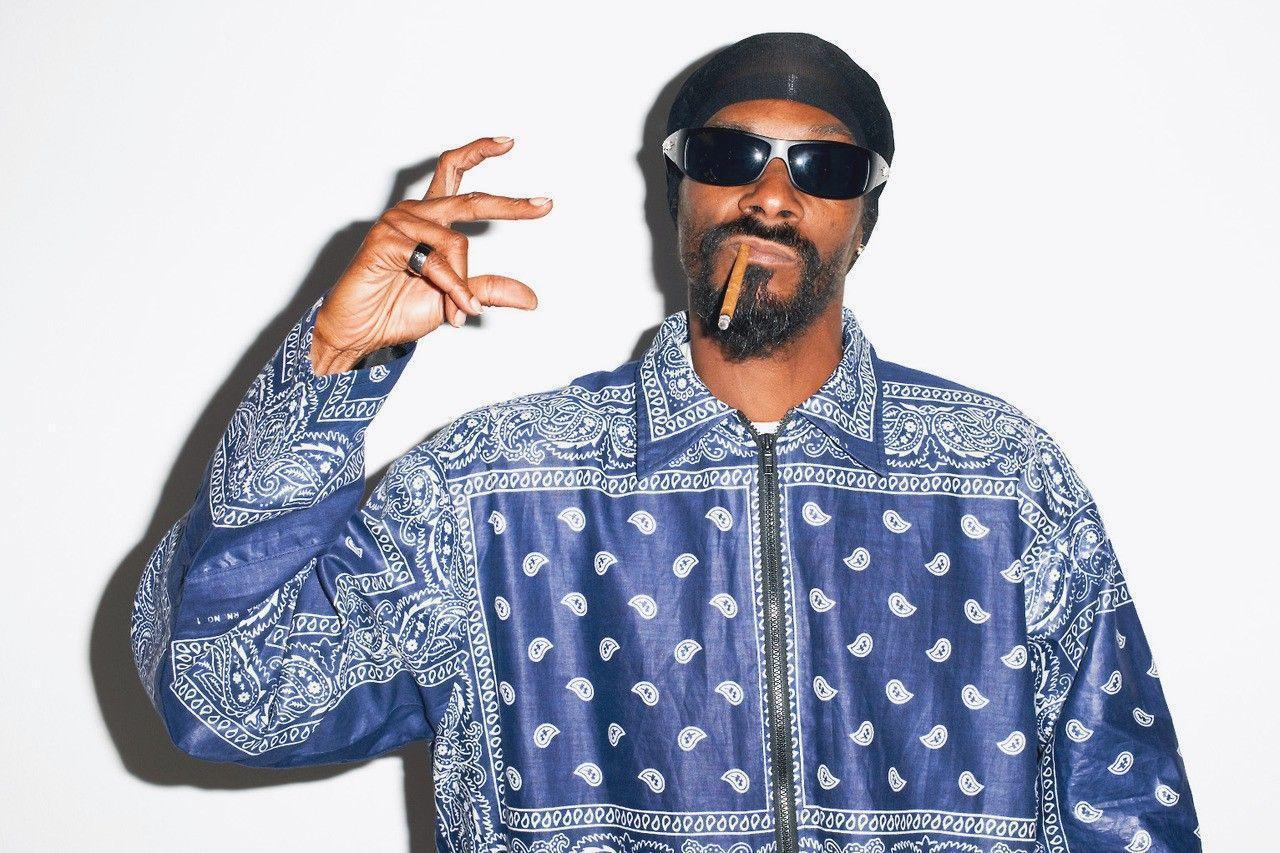
Fast forward to the 2022 Super Bowl. The NFL reportedly told Snoop not to do the C-Walk. They wanted a "clean" show. Snoop, being Snoop, did it anyway. He wore a blue bandana-print tracksuit and shuffled right in front of millions of people.
It was a massive "I see you" to his roots.
Now that we’re in 2026, the Snoop Dogg C Walk has evolved into something even more complex. You see kids on social media doing it to K-pop songs. You see grandmas doing it on Reels. Is it appropriation? Or is it the natural evolution of street culture into the mainstream?
Honestly, it’s both.
What Most People Get Wrong
People think the C-Walk is just about moving your feet fast. It's not.
- The "V" Step: This is the foundation. You have to pivot on your heels and toes to create a V-shape.
- The Shuffle: It’s a side-to-side glide. If you look like you’re struggling, you’re doing it wrong.
- The Heel-Toe: This is where the "spelling" happens.
- The Attitude: Snoop does it with a certain slouch. If you’re too stiff, it’s just a "Clown Walk"—which is actually a real subset of the dance used by people who aren't in gangs.
Why It Still Matters Today
The reason we're still talking about this in 2026 is that Snoop Dogg managed to bridge the gap between "dangerous" and "iconic." He took something that was meant to divide people and made it a symbol of West Coast identity.
But there’s a limit.
Even today, experts in gang culture warn that you shouldn't just "bust a C-Walk" in certain parts of L.A. if you aren't about that life. The history is too deep. The blood spilled over those steps is too real.
Snoop gets a "pass" because he lived it. He was a member of the Rollin' 20s Crips. When he does it, it’s authentic. When a 14-year-old in the suburbs does it for a "Get Ready With Me" video, it’s just a dance move. That tension is where the C-Walk lives now.
Actionable Insights for Fans and Dancers
If you’re interested in the culture or want to understand the movement better, don't just watch a 15-second tutorial.
- Watch the Legends: Go back and watch WC (Dub C) in the "The Streets" video. That’s the raw, unfiltered version.
- Study the Snoop Era: Watch the "Drop It Like It's Hot" or "The Next Episode" live performances. Notice how he slows it down.
- Respect the History: Understand that for many, this isn't a "TikTok challenge." It’s a mark of where they’re from.
- Know the Difference: Learn the distinction between the "Crip Walk" (gang-affiliated), the "Clown Walk" (performance-based), and the "Blood Walk" (the rival version).
The Snoop Dogg C Walk isn't going anywhere. It’s baked into the DNA of hip-hop. Just remember that every time those feet hit the floor, they’re echoing a story that started long before the cameras were rolling.
To truly understand the "Snoop version," you have to look at his 2026 evolution. He’s now a business mogul and a global ambassador, but he still keeps that shuffle in his back pocket. It’s his way of saying he hasn't forgotten the streets of Long Beach, even while he’s sitting in a corporate boardroom or hosting the Olympics.