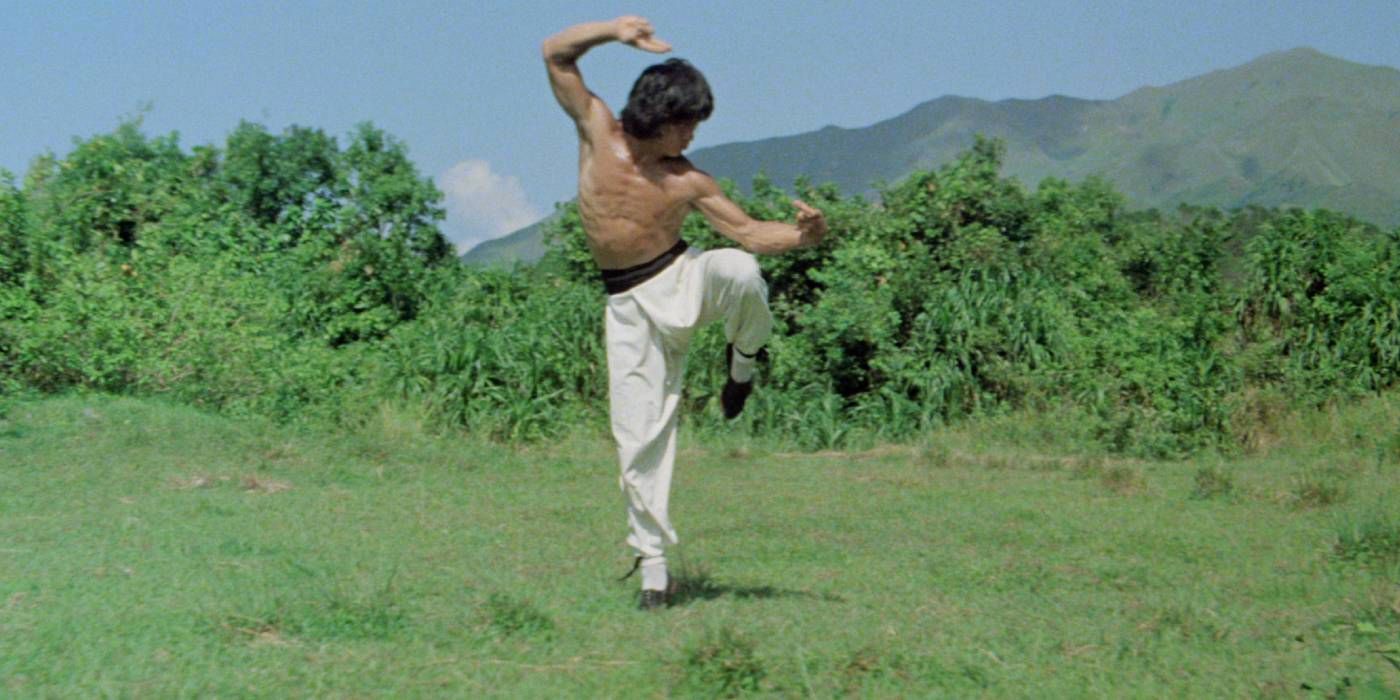
Honestly, if you grew up watching kung fu movies, you know the vibe. The hero is cornered. He's stumbling. He looks like he’s about to pass out from one too many jars of rice wine. Then, suddenly, he’s a blur of limbs, dodging punches by a fraction of an inch and hitting back with power that shouldn't be possible for someone who can't even stand straight. This is jackie chan drunken fist, a style that basically redefined what an action star could be.
Before Drunken Master hit the screens in 1978, martial arts movies were serious. Like, really serious. Bruce Lee had made the "invincible warrior" the gold standard. But Jackie Chan? He took that and flipped it on its head. He didn't want to be the guy who never got hit. He wanted to be the guy who got hit, felt the pain, and used a weird, wobbly style to survive.
The Real Secret Behind Zui Quan
A lot of people think "Drunken Fist" (or Zui Quan) is just a movie invention. It’s not. It is a legitimate, albeit rare, style of Chinese martial arts. But here is the kicker: you don’t actually get drunk to do it. In fact, trying to pull off these moves while actually wasted would probably end in a trip to the ER.
The "drunkenness" is a strategic mask. It’s all about unpredictability. The practitioner uses a staggered gait, off-balance swaying, and sudden falls to lure the opponent into thinking they’re vulnerable. When the opponent moves in for what looks like an easy kill, the "drunk" fighter uses that momentum for a devastating counter. It’s a lot of core strength. Your legs are constantly in deep, awkward stances that mimic a stagger, but your center of gravity is actually locked down tight.
In the movies, Jackie took this to the extreme. He leaned into the theatricality of the "Eight Drunken Immortals." Each "Immortal" has a specific personality and fighting quirk—like the one who carries a bucket or the one with the internal power. Jackie’s version of jackie chan drunken fist was a mix of these traditional forms and his own background in the Peking Opera.
Why 1994’s Drunken Master II Changed Everything
If the 1978 original was the spark, the 1994 sequel—released in the US as The Legend of Drunken Master—was the explosion. The choreography here is arguably some of the best ever filmed. Period.
The final fight against Ken Lo in the steel mill? That took four months to film. Just one fight.
Jackie was obsessed with the rhythm. He didn’t want the staccato "hit-block-hit" rhythm of the 70s. He wanted flow. He wanted the movement to look like a dance where the dancers are trying to kill each other. Interestingly, he actually clashed with the legendary director Lau Kar-leung on set. Lau was a traditionalist. He wanted "pure" Hung Gar and authentic Drunken Fist. Jackie wanted more "Jackie"—more props, more crazy stunts, and more visual comedy. Lau eventually left the project, and Jackie finished directing the action himself.
The result? A masterpiece of physical storytelling.
Real Stakes and Real Heat
The fire stunts in the finale weren't CGI. This was 1994. Jackie Chan actually back-crawled over live coals. He did it twice because he didn't like the "rhythm" of the first take. That is the level of commitment we're talking about. When you see him drinking industrial alcohol in the movie to "supercharge" his fighting, it’s a dark, desperate moment that adds weight to the comedy.
The Physicality: It's Harder Than It Looks
Most people see the swaying and think it's just "loose" movement. It's actually the opposite. To make a fall look like an accident but land in a way that allows you to spring back up immediately requires insane athleticism.
- Balance: You’re often on the edges of your feet or one leg while the rest of your body is leaning at a 45-degree angle.
- Flexibility: The style involves a lot of "waist power." You’re twisting and coiling like a spring.
- Impact: In the Jackie Chan style, you don't just dodge; you use the floor. The "ground" is a weapon.
How Drunken Master Still Influences Us Today
You see it everywhere. Video games like Tekken (Lei Wulong) and Virtua Fighter (Shun Di) basically copied Jackie’s moves frame-for-frame. Even modern MMA fighters sometimes use "loose" or "deceptive" movement that traces its spiritual roots back to the idea of being unpredictable.
It wasn't just about the fighting, though. It was about the character of Wong Fei-hung. Usually, Wong Fei-hung is portrayed as a stoic, perfect hero (think Jet Li in Once Upon a Time in China). Jackie’s version was a brat. He was a troublemaker who had to be humbled by his master, Beggar So. It made the hero human.
Actionable Tips for Martial Arts Fans
If you're fascinated by the jackie chan drunken fist style and want to understand it better, don't just watch the clips on YouTube. Dig deeper.
- Watch the 1978 and 1994 versions back-to-back. You’ll see how Jackie’s style evolved from rigid "shapes" to fluid, modern action.
- Look for the "cups." Notice how his hands are often shaped like he’s holding a small wine cup. That’s a specific grip used for eye strikes and throat grabs in the real Zui Quan.
- Check out the "Eight Immortals." If you want to see the "why" behind the weird poses, look up the Taoist mythology of the Eight Immortals. It explains the different "modes" Jackie switches between during his fights.
The legacy of the drunken master isn't about the alcohol. It’s about the idea that even when you're down, even when you look like a mess, you can still find a way to win. It’s about turning your perceived weaknesses into your greatest strengths.
To truly appreciate the craft, pay attention to the wide shots. Jackie and his team (the Jackie Chan Stunt Team) rarely used close-up "shaky cam" to hide the action. They wanted you to see every stumble, every strike, and every drop of sweat. That's why, even in 2026, we're still talking about it.