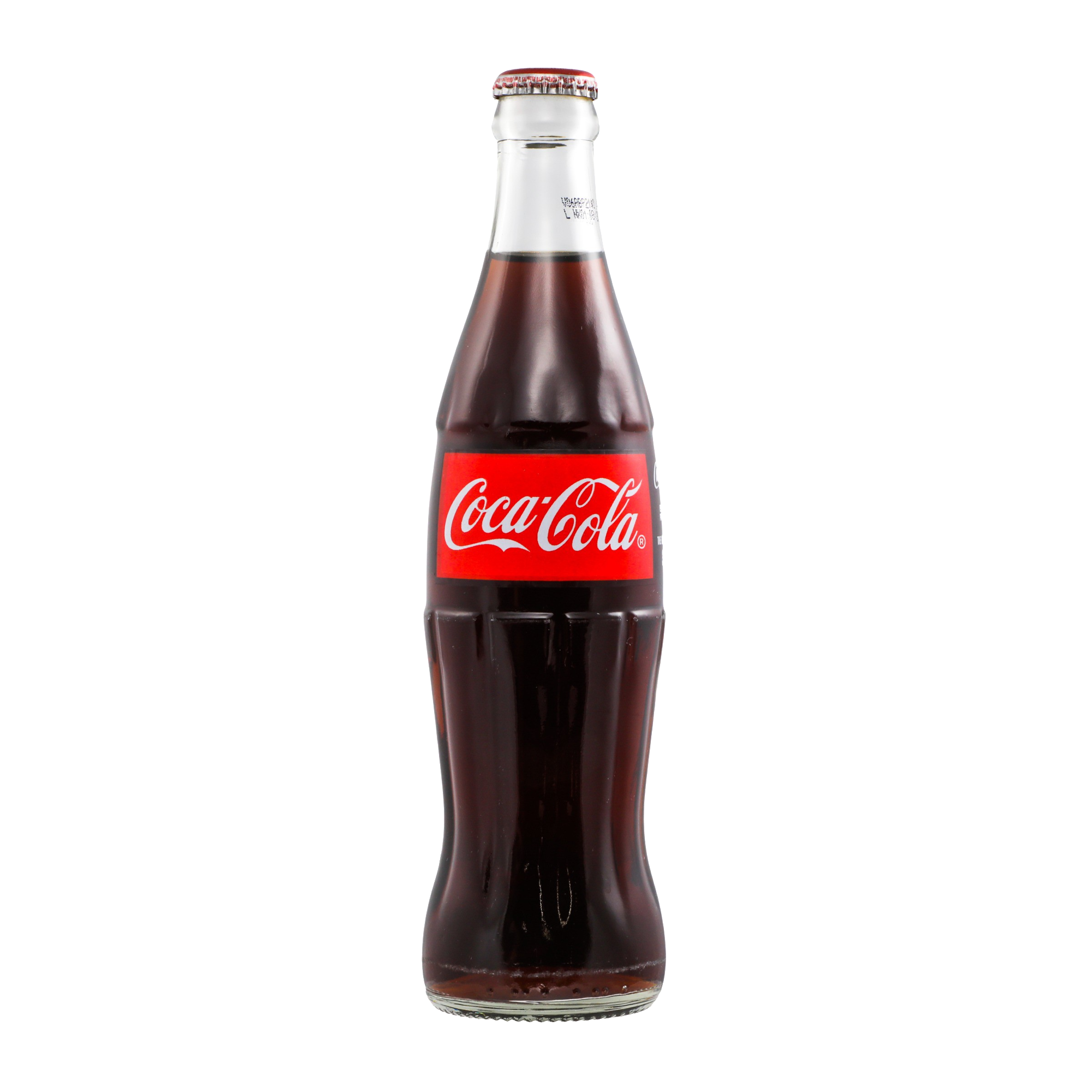
You’re standing there with a cold, condensation-beaded glass bottle of Mexican Coke, and suddenly you realize nobody brought a bottle opener. It’s a classic tragedy. That red cap is crimped on tight, and unlike the plastic twists we’re used to in the States, this requires a bit of mechanical leverage. Mexican Coke—or "Mexicoke" as the aficionados call it—is legendary for its use of cane sugar instead of high-fructose corn syrup, but that premium experience is locked behind a stubborn steel crown.
Honestly, don't panic.
Learning how to open a Mexican Coke is basically a rite of passage for anyone who prefers the glass-bottle life. You've got options. Whether you’re at a backyard BBQ or stuck in a hotel room with nothing but a TV remote and a prayer, there's always a way to get to that sweet, bubbly nectar.
The Countertop Method: High Risk, High Reward
This is the one you see in movies. It looks cool, but if you do it wrong, you’re going to be explaining a chip in the granite to your landlord. You basically find a hard, square edge—think a wooden table or a sturdy countertop. Hook the edge of the metal cap onto the corner of the surface.
Hold the neck of the bottle firmly with one hand. Use the heel of your other hand to give the top of the cap a swift, sharp downward strike. If the physics align, the cap pops right off with a satisfying tink.
Be careful.
If the surface is too soft, you'll just dent the wood. If you hit it at a weird angle, you risk shattering the glass neck. Professionals usually stick to metal or hard-edged stone, but even then, you’re gambling with your security deposit. It’s all about the "snap" of the wrist, not just brute force.
How to Open a Mexican Coke Using Everyday Objects
If you don't want to ruin your furniture, look around the room. There are tools everywhere. You just haven't realized they're openers yet.
- The Lighter Trick: This is the gold standard for anyone who grew up around glass bottles. You grip the neck of the bottle tight, right under the cap. Your index finger acts as a fulcrum. You slide the bottom end of a Bic lighter between your finger and the cap's teeth. Push down on the other end of the lighter like a lever. The cap should fly off. Sometimes it hits the ceiling. That's how you know you did it right.
- A Sturdy Key: This takes a bit more effort. You have to work your way around the edges of the cap. Take a thick house key (not your car’s electronic fob, please) and slowly pry the little metal teeth upward, one by one. Once you’ve loosened about half of them, the pressure from the carbonation will usually help you pop the rest off with your thumb. It’s slow. It’s methodical. But it works when you're stranded.
- The "Two Bottle" Technique: If you have two bottles of Coke, you already have an opener. Flip one bottle upside down. Interlock the teeth of its cap with the cap of the upright bottle. Using a lever motion, pull down. One of them will give. Usually, it's the one you want to drink. Just make sure you have a firm grip, or you'll end up with a mess of glass and sugar on the floor.
The Physics of the Crown Cork
The "crown cork" was actually patented by William Painter back in 1892. It changed the beverage industry because it could handle the high pressure of carbonated drinks without leaking. Mexican Coke still uses this design because it’s airtight and keeps the carbonation sharper than plastic ever could.
When you’re trying to open it, you aren't just fighting the metal. You're fighting the internal pressure. That's why that "hiss" sounds so good—it's the sound of the atmosphere finally winning.
Why the Tool Matters for the Taste
Believe it or not, how you open it can slightly change the experience. If you struggle and shake the bottle too much, you lose that "bite" that cane sugar Coke is known for. The goal is a clean break.
Mexican Coke is often bottled in taller, thicker glass than American versions, which helps it stay colder longer. If you use a dull tool and have to hack at the cap, you might cause micro-fractures in the glass. Nobody wants a side of silica with their soda.
If you're at home, honestly, just buy a Wall-Mounted Openers or a heavy-duty handheld one. Brands like YETI or even vintage Coca-Cola branded cast-iron openers provide the leverage needed to pop the cap in one clean motion without agitating the liquid.
Common Mistakes Beginners Make
Don't try to use your teeth. Just don't. I've seen it attempted at parties, and it usually ends with a very expensive trip to the dentist. Human enamel is strong, but it’s not "1892 steel alloy" strong.
Also, avoid using "safety" scissors or cheap plastic utensils. You'll just break the tool and look silly. You need something rigid. A wedding ring can work if it’s made of tungsten or titanium, but gold is too soft and will get scratched to pieces.
If you’re using the "edge of the table" trick, don't use a glass table. It seems obvious, but after a few drinks, people get ambitious. Glass on glass is a recipe for a trip to the ER.
Actionable Next Steps for the Perfect Pour
- Chill it to the bone: Mexican Coke tastes best when it’s hovering just above freezing. Stick it in the back of the fridge for at least four hours.
- The 45-Degree Angle: When you finally pop that cap, keep the bottle at a slight angle. It prevents the foam-over that happens when the pressure is released too quickly.
- Use a Glass: If you want the full "expert" experience, pour it into a frozen glass. The cane sugar reacts differently with the air than corn syrup does, and the aroma is actually quite distinct—more floral, less metallic.
- Check the Bottom: Always look for the "Hecho en México" stamp to ensure you're actually dealing with the real deal and not a domestic "specialty" bottle that might have different cap specs.
- Clean Your Opener: If you're using a tool from the garage, give it a wipe. That cap is what your mouth or the liquid touches. Keep it sanitary.