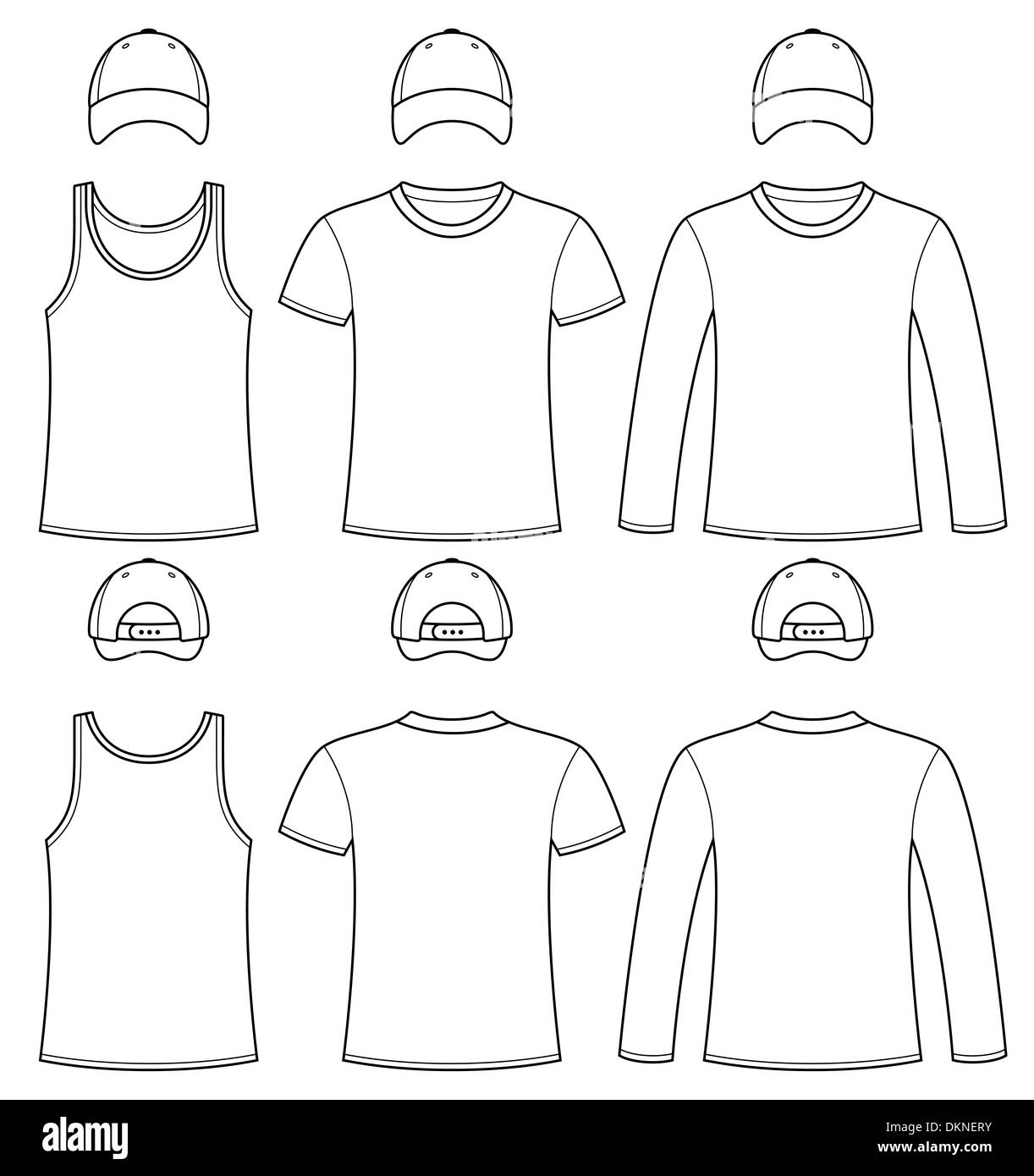
Look, we’ve all been there. You have that one shirt. Maybe it’s a concert tee from 2014 or a promotional giveaway that’s just a little too boxy in the sleeves. It sits in the back of the drawer because the fit is awkward, but the graphic is too good to toss. So you think about DIY. You want to know how to cut a tshirt into a singlet because, honestly, the airflow of a sleeveless top is unmatched for the gym or a sweltering July afternoon.
But here is the thing.
Most people just grab the kitchen shears and start hacking away. Big mistake. You end up with jagged edges, uneven straps, and a shirt that looks like it lost a fight with a lawnmower. If you want a result that actually looks intentional—like something you’d buy at a boutique or a high-end athletic shop—you need a bit of a strategy. It isn't just about removing fabric. It’s about understanding the "drape" and how cotton jersey reacts once it’s freed from its seams.
Why most DIY singlets look like rags
The biggest issue is the "curl." Cotton jersey, which is what most t-shirts are made of, has a natural tendency to roll toward the grain once the hem is removed. If you cut the armholes too wide, the fabric doesn't just hang; it collapses. I’ve seen guys at the gym wearing what used to be a shirt, but now it’s basically two strings holding up a loincloth for their torso. Not a great look.
You also have to consider the weight of the fabric. A heavy 6oz Gildan hammer tee is going to behave very differently than a tri-blend or a lightweight 30-singles combed cotton shirt. Heavy cotton stays stiffer. Thinner blends will stretch out significantly the second you pull them over your head. If you don't account for that stretch, your "modest" singlet becomes a deep-cut stringer by lunchtime.
The actual process of how to cut a tshirt into a singlet
First, find a flat surface. Don't try to do this while the shirt is on your body or hanging on a door. Use a kitchen table or a hardwood floor. You need a pair of dedicated fabric shears. If you use the same scissors you use to cut open packages of bacon, you're going to get "chewed" edges.
Lay the shirt completely flat. Smooth out every single wrinkle.
Mapping your lines
Instead of guessing, go grab a singlet you already own and love. Lay it directly on top of the t-shirt, aligning the necklines. This is your template. If you don't have one, you're going to have to mark your lines. Use a piece of tailor's chalk or even a sliver of dried-out soap. It washes right out.
Start your cut about an inch outside the collar seam. If you want to keep the original neck ribbing, leave it alone. If you want a raw-edge scoop neck, you'll need to cut that too, but remember: once you cut that neck ribbing, the whole structure of the shirt becomes much looser.
For the armholes, start the cut at the shoulder seam. Follow a curved path down toward the side seam. How deep you go depends on your vibe. A standard athletic cut usually ends about two inches below the original armpit seam. If you're going for a "muscle tank" look, you might drop it four or five inches down. Just remember that the lower you go, the more the shirt will "wing" out at the sides.
The "Mirror" technique
Consistency is the hardest part. To make sure both sides are identical, don't cut them separately while the shirt is flat. Instead, fold the shirt in half vertically. Align the sleeves and the side seams perfectly. Now, you’re cutting through four layers of fabric at once (the front and back of both sides). This ensures that the left side is a perfect mirror image of the right.
Use long, steady strokes with your scissors. Short, choppy snips create those little "teeth" in the fabric that look amateur.
Dealing with the raw edges
Once you’ve finished the cut, the edges will look a bit harsh and flat. Here is the secret trick used by professional stylists: The Tug. Grab the newly cut edges of the armholes and the neck. Pull them firmly. You'll feel the fabric give a little. As you stretch the raw edge, the cotton will naturally curl inward. This hides any minor jaggedness from your scissors and gives it that finished, rounded look. It also helps set the shape so it doesn't continue to fray excessively in the wash.
Speaking of the wash—your first laundry cycle after cutting is critical. Use a cold setting. Heat can make those raw edges shrivel up unevenly.
Common pitfalls and how to avoid them
One thing people often forget when learning how to cut a tshirt into a singlet is the side seam. Some shirts are "tubular," meaning they have no side seams. These are the best for DIY projects because they won't unravel at the hips. If your shirt has side seams, be careful not to cut too close to the bottom hem, or the side seam might start to split upward over time.
Also, consider the "Side Boob" factor. If you cut the armholes too deep on a shirt that is already oversized, the front panel will narrow so much that it won't cover your chest properly when you move. Always err on the side of cutting less fabric first. You can always cut more later, but you can't exactly staple the fabric back on.
The Hem Dilemma
Should you cut the bottom hem? Usually, no. The bottom hem provides the weight that keeps the singlet hanging straight. If you cut the hem off to make it a crop top or a raw-edge longline, the bottom will curl up. This might be the look you want, but it will make the shirt significantly shorter. If you decide to go for it, cut it at least two inches longer than your desired final length to account for that curl.
Styling and Longevity
This isn't just about the gym. A well-cut singlet works under a flannel or a denim jacket. Because you've removed the bulk of the sleeves, it layers much more cleanly than a standard tee.
If you're using a graphic tee, make sure the graphic is centered before you start cutting. Sometimes shirts are printed slightly off-center. If you follow the seams instead of the graphic, your finished singlet will look crooked. Always prioritize the visual center of the print.
Maintenance is simple. Avoid the dryer if you can. Raw edges hate high heat. They tend to pill and tangle with other clothes. If you must use a dryer, toss the singlet in a mesh laundry bag. It keeps the long, cut "straps" from wrapping around the agitator or other garments.
Essential Tools for a Professional Finish
You don't need a sewing machine, but a few specific items make a massive difference in the outcome:
- Fabric Shears: Not paper scissors. I recommend Gingher or Fiskars.
- Rotary Cutter and Mat: If you want perfectly smooth lines, this is better than scissors.
- Tailor's Chalk: For marking your path without permanent stains.
- Acrylic Ruler: To ensure your straps are the same width on both sides.
Actionable Steps for Your First Cut
Stop overthinking it and just grab a shirt you don't care about first. A "test" shirt is the only way to get a feel for how your specific scissors handle the fabric.
- Select a 100% cotton tee. Blends are trickier for beginners because they slippery.
- Wash and dry the shirt first. If it’s going to shrink, you want it to happen before you cut.
- Iron the shirt. You cannot get an accurate cut on wrinkled fabric.
- Mark your "No-Go" zones. Mark the points where you want the straps to end and where the armhole should bottom out.
- Fold, clip, and cut. Use binder clips to keep the folded shirt from sliding while you cut through the layers.
- The Stretch Test. Once cut, put it on. Move your arms. If it feels tight under the pits, take it off and trim another quarter-inch.
Once you master this, you’ll never look at a "free" oversized t-shirt the same way again. It’s the easiest way to refresh a wardrobe without spending a dime, provided you respect the grain of the fabric and take your time with the shears.