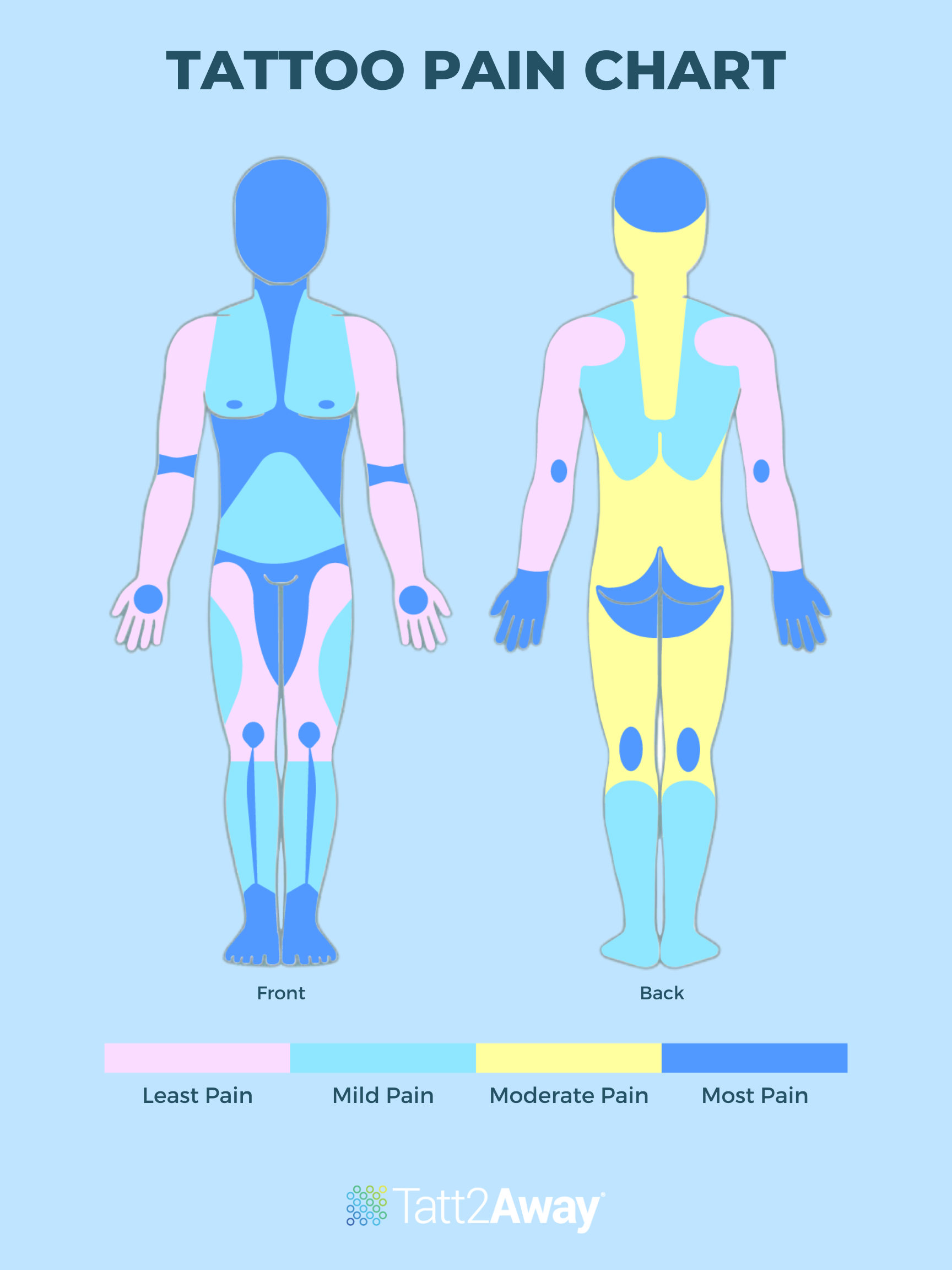
So, you’re thinking about getting a genital tattoo. Specifically, you're looking into tattoos on the vagina—though, to be medically precise right out of the gate, we’re usually talking about the vulva, the outer landscape. It’s a choice that sits at the intersection of extreme pain tolerance and deeply personal body reclamation. Honestly, most people hear the idea and wince immediately. They imagine the needle hitting one of the most nerve-dense areas of the human body and think, "Absolutely not." But for a growing number of people, this isn't just about shock value or "edgy" aesthetics. It’s about owning a part of the body that has often been the subject of shame, medicalization, or trauma.
Let’s get one thing straight: this is high-stakes tattooing. This isn't a forearm piece you get on a whim after two margaritas. It requires a specific kind of artist, a specific kind of hygiene protocol, and a very specific kind of mental preparation.
The Reality of Pain and Nerve Density
Pain is subjective. We say that all the time in the tattoo world, but here, it’s a bit of a lie. It's going to hurt. A lot. The pelvic region is packed with nerve endings, particularly the pudendal nerve, which branches out to the labia, clitoris, and perineum. When that needle starts oscillating at 100 hits per second, your brain isn't going to process it as "art." It’s going to process it as a Category 5 emergency.
Most people who've gone through with tattoos on the vagina describe a sensation that’s less like a "scratch" and more like a hot wire being dragged across the skin. Because the skin there is so thin and lacks the subcutaneous fat of, say, a butt cheek or a thigh, the vibration resonates right against the pelvic bone. You’ll feel it in your teeth.
The adrenaline dump afterward is real. You might shake. You might feel lightheaded. It’s a massive physiological event.
Finding an Artist Who Isn't a Creep
This is the most important part of the process. Period. The tattoo industry has a checkered history with boundaries, and when you’re literally baring everything for a piece of art, you need someone who is beyond professional.
You aren't just looking for a "good artist." You’re looking for someone with a portfolio of healed genital work. Skin in this area is mucosal, stretchy, and incredibly finicky. It doesn’t take ink the same way a bicep does. If an artist hasn't worked on "soft tissue" before, they can easily cause "blowouts"—that's where the ink is pushed too deep and spreads out into a blurry, bruised-looking mess under the skin. It’s permanent.
Ask questions.
- How do they handle stretching the skin?
- What is their protocol for cross-contamination in high-risk areas?
- Do they have a private room? (They should).
Dr. Arash Akhavan, a dermatologist and founder of the Dermatology & Laser Group, often points out that the risk of infection in the pelvic region is significantly higher due to the presence of bacteria like E. coli and the moisture levels inherent to the area. If your artist doesn't seem obsessed with hygiene, walk out.
The Technical Difficulty of "Soft" Skin
Think about a piece of paper. Now think about a piece of wet silk. Which one is easier to draw a straight line on? That's the challenge of tattoos on the vagina. The labia majora and the pubic mound are incredibly mobile. To get a clean line, the artist has to use a specific three-point stretch technique. It’s physically demanding for them and can be awkward for you.
And then there's the ink itself. Because the area is subject to constant friction from clothing and walking, the healing process is a nightmare. The ink can "fall out" during the first two weeks, leaving you with patchy spots that need touch-ups. Most artists who specialize in this, like the renowned Madame Buraka or certain artists in the "Body Suit" tradition of Japan, will tell you that simplicity is your friend. Fine line work? It’s probably going to blur in three years. Bold, traditional-style saturation? That has a better chance of standing the test of time.
Healing in a "High-Traffic" Zone
The aftercare for tattoos on the vagina is unlike anything else. You can't just slap some lotion on it and go about your day.
For the first 48 hours, you're looking at significant swelling. We're talking "don't want to wear pants" level swelling. You basically need to clear your schedule. No gym. No sex—seriously, zero sexual activity for at least 2 to 4 weeks. No swimming. No tight leggings. Your best friend is going to be loose cotton boxers or, better yet, no underwear at all while you're at home.
The moisture issue is the biggest hurdle. Tattoos need to breathe to heal, but the groin is naturally damp. This creates a breeding ground for yeast infections or bacterial vaginosis if you aren't careful. You have to keep it dry, but not so dry that the scab cracks and bleeds. It’s a delicate balancing act. Most experts suggest a very thin layer of a breathable ointment like Aquaphor, but only for the first few days, transitioning to a fragrance-free lotion as soon as possible.
Why Do People Actually Do It?
It's not always about "looking cool." For some, it's about medical tattooing or scar camouflage. People who have undergone gender-affirming surgeries, C-sections, or have scars from lichen sclerosus sometimes use tattoos to reclaim their anatomy.
There's also a deep connection to ancient traditions. In many Pacific Island cultures, tattooing the pelvic and thigh area was a rite of passage, a mark of strength and fertility. While modern Western tattooing is often seen as purely decorative, for many, getting a tattoo on the vagina is a return to that idea of "sacred skin." It’s a way to decorate a part of themselves that society often tells them should be hidden or is "gross." It’s a middle finger to those beauty standards.
Misconceptions and Safety Warnings
Let’s debunk a few things.
- It won't make you lose sensation. Unless your artist is a literal butcher and causes deep nerve damage (extremely rare with a professional), the ink stays in the dermis. It doesn't touch the deeper nerves responsible for pleasure.
- You can still get a Pap smear. The ink doesn't interfere with most medical exams, though it can sometimes make it harder for a dermatologist to spot a suspicious mole. Always tell your doctor you have ink in that area.
- The "Inner" Vagina. You cannot tattoo the actual vaginal canal. The tissue is mucosal and won't hold ink; it would be incredibly dangerous and lead to immediate infection. If you see photos online that look like they are "inside," it's almost always just very clever placement on the labia minora.
Practical Next Steps for the Brave
If you've weighed the risks and you're still determined to go through with it, don't rush. This is a "measure twice, cut once" situation.
- Vetting Period: Spend at least three months researching artists. Look for those who explicitly mention "genital tattooing" or "vulva art" in their bios. Check their "Healed" highlights on social media.
- Consultation: Book a physical consultation first. See the shop. Make sure you feel safe and respected. If they make a single "joke" that feels off-color, find someone else.
- The "Prep" Week: Hydrate like your life depends on it. Well-hydrated skin takes ink better. Avoid alcohol or blood thinners like aspirin for 24 hours before your appointment.
- Aftercare Kit: Buy your supplies before the appointment. You won't want to be waddling through a CVS pharmacy for unscented soap while your crotch feels like it's on fire.
- Placement Strategy: Consider how your body will change. If you plan on having children or significant weight fluctuations, placement on the lower abdomen or outer labia may stretch. The more "central" the tattoo, the more it stays put, but the more it hurts.
Ultimately, a tattoo on the vagina is one of the last frontiers of body modification. It’s a testament to endurance. Just make sure the art is worth the agony.
Actionable Insights:
- Prioritize Artist Specialty: Only work with artists who have a proven track record with mucosal or soft-tissue tattooing.
- Strict Aftercare: Expect a minimum of two weeks of "taking it easy"—this includes no tight clothing and no sexual activity to prevent friction-based ink loss.
- Health Check: If you notice extreme redness spreading away from the tattoo, pus, or a fever, see a doctor immediately; the proximity to the lymphatic system makes groin infections move fast.
- Long-term Maintenance: Be prepared for the fact that these tattoos fade faster than others due to pH levels and friction; a touch-up in 5 years is almost a certainty.