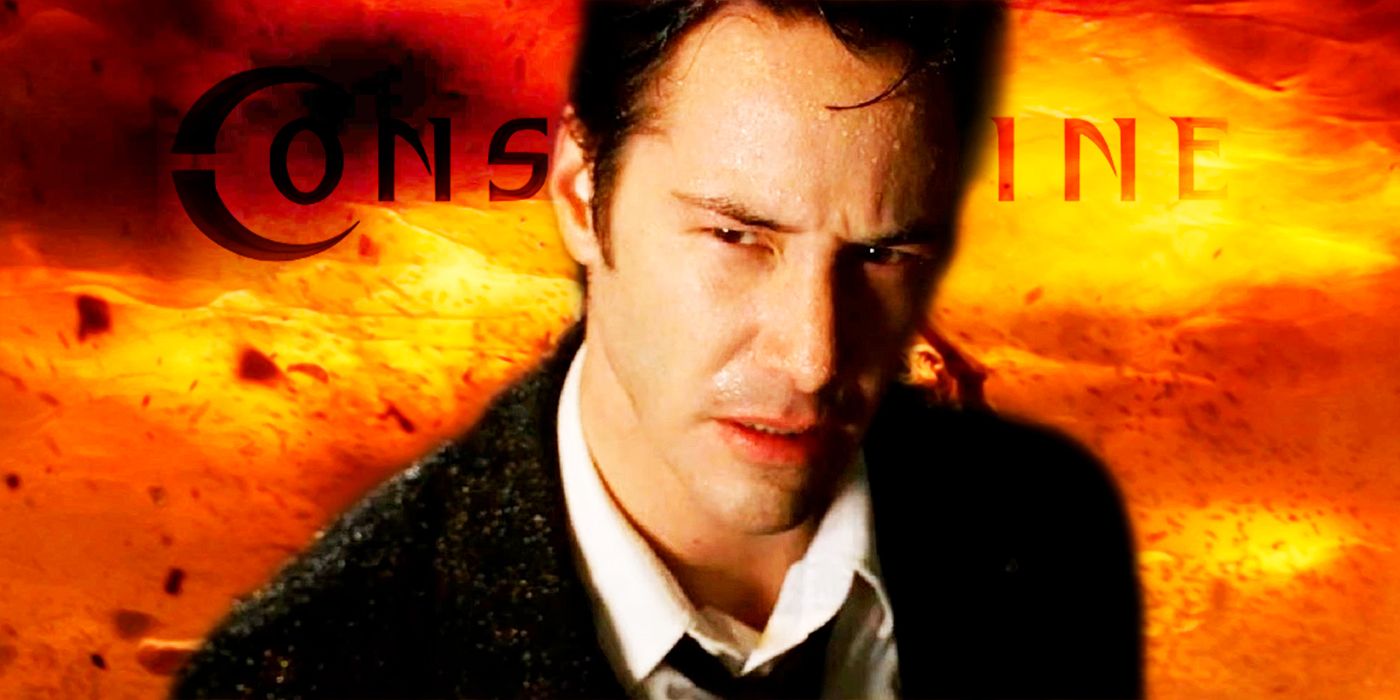
It’s been over a decade since NBC pulled the plug, but if you mention Constantine the TV series to any DC fan, be prepared for a long, passionate rant. Usually involving the words "deserved better" or "Friday night death slot." Honestly, the 2014 show is one of the weirdest artifacts in superhero television. It wasn't a total failure—not by a long shot—but it was a victim of terrible timing and a network that didn't quite know what to do with a chain-smoking, soul-damned Englishman.
We've seen plenty of comic book adaptations since then. Most of them have much bigger budgets and better CGI. Yet, Matt Ryan’s portrayal of John Constantine remains the gold standard. Even after the show was axed after just 13 episodes, the character refused to stay dead, eventually clawing his way into the Arrowverse and leading a team of misfits on a time-traveling ship.
But why did the original show fall apart? And was it actually as good as we remember through our nostalgia-tinted glasses? Let's get into the weeds of what really happened with the hellblazer's first solo outing on the small screen.
The NBC Curse and the Friday Night Death Slot
Network television in 2014 was a different beast. NBC wanted a hit, and they thought they could replicate the success of Grimm by leaning into the supernatural procedural vibe. The problem? John Constantine isn't a "monster of the week" kind of guy. He’s a "sacrifice your best friend to save your own skin" kind of guy.
The ratings were... okay. Not great. The pilot pulled in about 4.3 million viewers, which sounds like a dream for a cable show today but was a "soft" opening for NBC back then. By the time the finale aired, that number had dipped to around 3.3 million.
A lot of people blame the Friday night time slot. It’s famously where shows go to die. Younger audiences—the ones actually reading Vertigo comics—weren't sitting at home on a Friday night at 10 PM to watch a demon hunter. They were out. The show was fighting an uphill battle against scheduling from day one.
The Problem with "Watered Down" Horror
One of the biggest gripes from Hellblazer purists was the censorship. In the comics, John is a walking chimney. He smokes constantly. On NBC? He was barely allowed to hold a lighter. You’d see him stubbing out a cigarette or walking away from a cloud of smoke, but the act itself was largely banned due to broadcast standards.
It felt small, but it signaled a larger issue: NBC was trying to make Constantine "accessible."
They wanted a hero. John Constantine is many things—a con artist, a magician, a bastard—but he is rarely a traditional hero. The show tried to soften those edges. They gave him a "Rising Darkness" plotline that felt like every other apocalyptic trope we’d seen before. It lacked the grimy, political, and deeply personal rot that made the comics special.
Matt Ryan: The Man Who Saved the Character
If there is one reason we are still talking about Constantine the TV series, it’s Matt Ryan.
Finding an actor who looks like the character is easy. Finding one who can embody the sardonic, weary, and ultimately haunted energy of a man who has seen Hell and survived is another thing entirely. Ryan was John. He nailed the Scouse-adjacent accent, the nervous energy, and that specific way of wearing a trench coat that makes it look like it hasn't been washed since 1995.
The chemistry between Ryan and his co-stars was also a highlight, even if the cast underwent a massive shift right at the start.
- The Liv Aberdine Situation: In the pilot, Lucy Griffiths played Liv, the daughter of John’s old friend. She was supposed to be our "eyes and ears" into the world. The producers realized halfway through that she didn't fit, so they wrote her out immediately after the pilot and brought in Angélica Celaya as Zed Martin.
- Chas Chandler: Charles Halford’s Chas was a standout. They changed his lore—making him somewhat immortal through a survival spell—but the dynamic between him and John felt authentic.
- Papa Midnite: Michael James Shaw brought a gravitas to Midnite that felt ripped straight from the pages of the comics.
Basically, the casting was perfect. The writing just needed more time to find its soul.
Why the Show Still Matters in 2026
You might be wondering why any of this is relevant now. Well, the "Constantine effect" is a real thing in TV history. It’s one of the few instances where a canceled show’s lead actor was so popular that another network (The CW) basically rescued him.
When Matt Ryan showed up in Arrow Season 4, episode 5 ("Haunted"), the internet lost its mind. It wasn't just a cameo; it was a confirmation that the NBC show was canon to the Arrowverse. That guest spot turned into a recurring role on Legends of Tomorrow, which eventually turned into a series regular spot.
John Constantine became the heart of Legends. He brought the "dark arts" to a show that was previously about tech and time travel. He finally got to be bisexual, he finally got to be more of a "bastard," and he finally got to smoke (sort of).
The J.J. Abrams Rejection
Fast forward to the recent past. For a while, there was talk of a total reboot. J.J. Abrams’ Bad Robot was developing a "darker, more diverse" version of Constantine for Max. Fans were split. Some wanted something closer to the Hellblazer roots, while others were loyal to Matt Ryan.
Ultimately, that project was scrapped when James Gunn and Peter Safran took over DC Studios. The new DCU is looking for a fresh start. Whether that includes a return to the world of the 2014 series or a complete reimagining remains to be seen. But the legacy of the original show is what keeps the demand for the character alive.
The "A Feast of Friends" Turning Point
If you only ever watch one episode of the series, make it episode 4, "A Feast of Friends."
It’s an adaptation of the first story arc in the Hellblazer comics. It follows Gary Lester, a friend of John’s who accidentally brings a hunger demon into the human world. In the comics, John's solution is cold and horrific. In the show, they actually stayed surprisingly close to that darkness.
Seeing John have to make the ultimate "greater good" choice showed what the series could have been if it hadn't been tethered to network procedural tropes. It was the first time the show felt truly dangerous.
Practical Steps for Fans of the Occult Detective
If you're looking to dive back into this world, don't just stop at the 13 episodes of the live-action show. The story has expanded in ways that many casual fans miss.
- Watch "City of Demons": This is an animated series (and later a movie) where Matt Ryan returns to voice the character. It is significantly darker than the NBC show. It deals with the Newcastle incident in much more graphic detail and feels like the R-rated version we never got on broadcast TV.
- Read the Original "Hellblazer": Specifically the Jamie Delano and Garth Ennis runs. If you liked the show, the comics will give you the unfiltered version of the character. Start with "Original Sins."
- Explore the Legends Arc: If you want to see John interacting with the wider DC universe, his time on Legends of Tomorrow (Seasons 3-6) is essential. It’s more comedic, but Ryan still brings the emotional weight.
The reality is that Constantine the TV series was a bridge. It bridged the gap between the 2005 Keanu Reeves movie and the modern era of comic book TV. It proved that audiences wanted a more accurate version of John, even if the network wasn't ready to go all the way. It wasn't a failure because it didn't last; it was a success because it made the character indispensable to the DC landscape.
Go back and watch it on streaming. Look past the 2014 CGI. Focus on the performance. You'll see exactly why we're still talking about it all these years later.
To get the most out of your rewatch, start with the episodes that adapt comic storylines directly, such as "A Feast of Friends" and "The Saint of Last Resorts," before diving into the more procedural episodes.