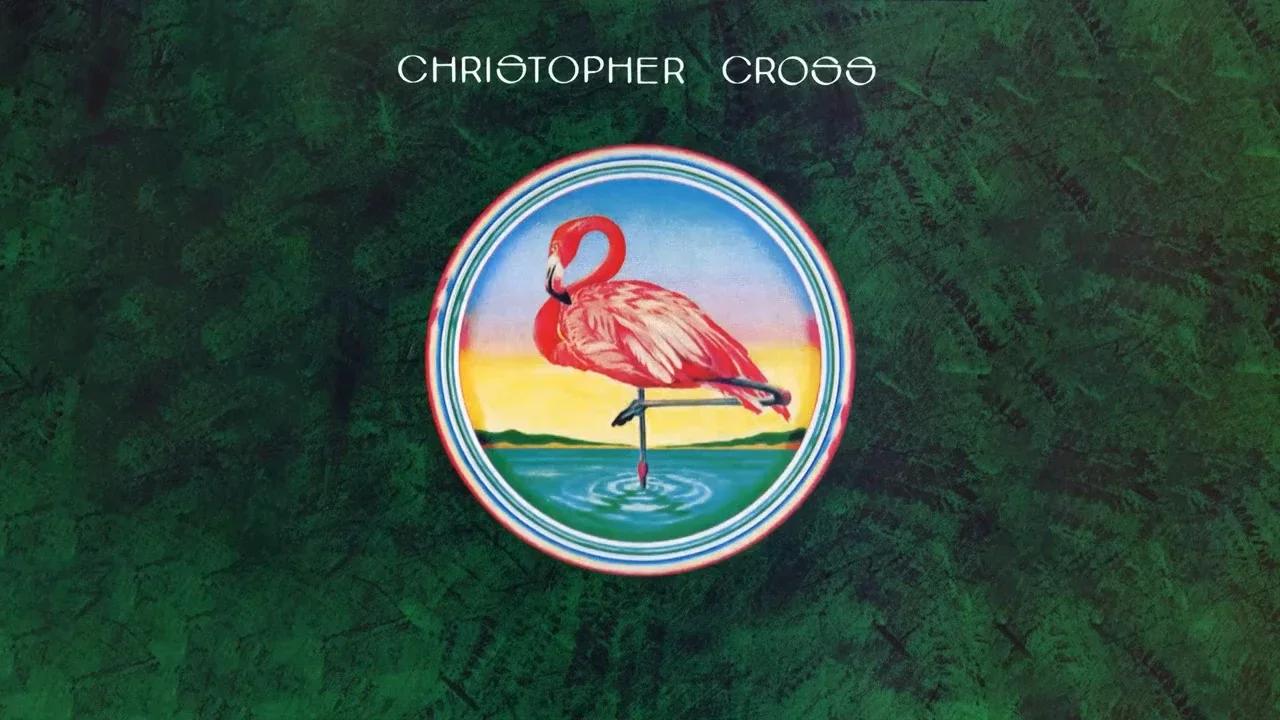
If you were alive in 1980, you couldn't hide from him. Christopher Cross was everywhere. He wasn't just a singer; he was a phenomenon that shouldn't have happened. Think about it. A soft-spoken guy from San Antonio with a high-tenor voice and a penchant for wearing sweaters, suddenly cleaning up at the Grammys.
He didn't just win. He demolished the competition.
In a single night, Cross took home the "Big Four": Best New Artist, Record of the Year, Song of the Year, and Album of the Year. For nearly 40 years, he was the only person to ever do that. Then Billie Eilish showed up and finally shared the mantle. But back then? It was unheard of.
Honestly, most people today think of him as the face of "Yacht Rock." You know the vibe—smooth production, expensive-sounding snare drums, and lyrics about escaping to the ocean. But there is a much darker, weirder, and more resilient story behind the man who gave us "Sailing."
The Acid-Fueled Trip That Built a Career
There’s this persistent image of Christopher Cross as the safest, most "vanilla" artist in music history. It’s kinda hilarious once you learn how "Ride Like the Wind" actually came to be.
Cross wasn't some corporate-groomed pop star. He was a Texas guitar nerd. One day, he’s driving from Houston to Austin to record. He decides to take some LSD. While tripping behind the wheel of his car—which, to be clear, is a terrible idea—the lyrics for a song about an outlaw running for the Mexican border start pouring out of him.
"I was high on acid when I wrote the lyrics," Cross admitted in several interviews. "It was just a beautiful Texas day."
That’s the "Ride Like the Wind" origin story. A song that sounds like a breezy afternoon was actually the product of a psychedelic road trip. And that vocal harmony? That’s Michael McDonald. Legend has it McDonald was so busy he barely had time to record it, but that "such a long way to go" hook became the backbone of the track.
Why Did Christopher Cross "Disappear"?
You’ve probably wondered why someone who won five Grammys and an Oscar (for "Arthur’s Theme") just... stopped being on the charts. It wasn't because he lost his talent. It was because the world changed in a way that specifically punished him.
Enter MTV.
When music videos became the primary way to sell records, Cross was in trouble. He was the first to admit he didn't have the "look" for the 1980s. He was a regular-looking guy in an era of Duran Duran and Michael Jackson. Warner Bros. didn't know how to market a sensitive songwriter who didn't want to be a pin-up.
By 1984, the hits dried up. He became the poster child for "overnight success turned yesterday's news."
But here’s the thing: he never actually stopped. He just went underground. He started his own label. He released jazz-influenced albums. He played the Hotel Carlyle in New York. He kept his head down and became a "musician’s musician" while the general public moved on to hair metal and synth-pop.
The 2020 Health Crisis and the Long Road Back
If you want to know why Christopher Cross is a legend, look at what happened in April 2020. He caught COVID-19 early on, but it didn't just give him a cough. It triggered a rare neurological disorder called Guillain-Barré Syndrome.
He woke up one day and couldn't walk.
His immune system attacked his nerves. For a long time, he was in a wheelchair. His hands—the hands that played that blistering guitar solo on "Ride Like the Wind"—were partially paralyzed. It was a nightmare for a performer.
But as of 2026, the comeback is in full swing. He spent years in physical therapy, literally re-learning how to move his fingers across a fretboard. He’s back on the road now, often touring with his old friends from Toto. If you catch him live today, you aren't just seeing a nostalgia act; you're seeing a guy who fought his way out of paralysis to play those songs one more time.
What Most People Get Wrong About Him
People think he’s just a singer. They’re wrong.
Cross is a world-class guitarist. He once filled in for Ritchie Blackmore in Deep Purple for a night in 1970 when Blackmore got sick. He was also the original owner of Stevie Ray Vaughan’s "Number One" Stratocaster before trading it away.
He’s a gear-head. A technician. A guy who cares more about the tone of a Gibson Les Paul than he does about his hair.
Actionable Insights for Fans and Listeners
If you're looking to reconnect with his music or see him live this year, here’s how to do it right:
- Check the 2026 Tour Dates: He’s currently on a massive North American run with Toto and The Romantics. They’re hitting venues like the Bethel Woods Center for the Arts and the Hollywood Bowl. It’s basically a Yacht Rock masterclass.
- Listen Beyond the Hits: If you only know the debut album, go find The Café Carlyle Sessions. It’s a stripped-back, jazzy reimagining of his catalog that proves how well those songs hold up without the 80s gloss.
- Watch the Documentary: HBO’s Yacht Rock: A Dockumentary features some of the best modern interviews with Cross, where he finally leans into the "Yacht Rock" label he spent years trying to distance himself from.
Christopher Cross represents a specific moment in time where talent alone could make you the biggest star in the world, even if you didn't look like a movie star. He’s a survivor, a "reluctant celebrity," and a reminder that even when the wind stops blowing, you can still find your way to the border.
To stay updated on his current tour or to grab the 40th-anniversary vinyl reissues, visit the official Christopher Cross website or follow his verified social media channels for real-time health and performance updates.