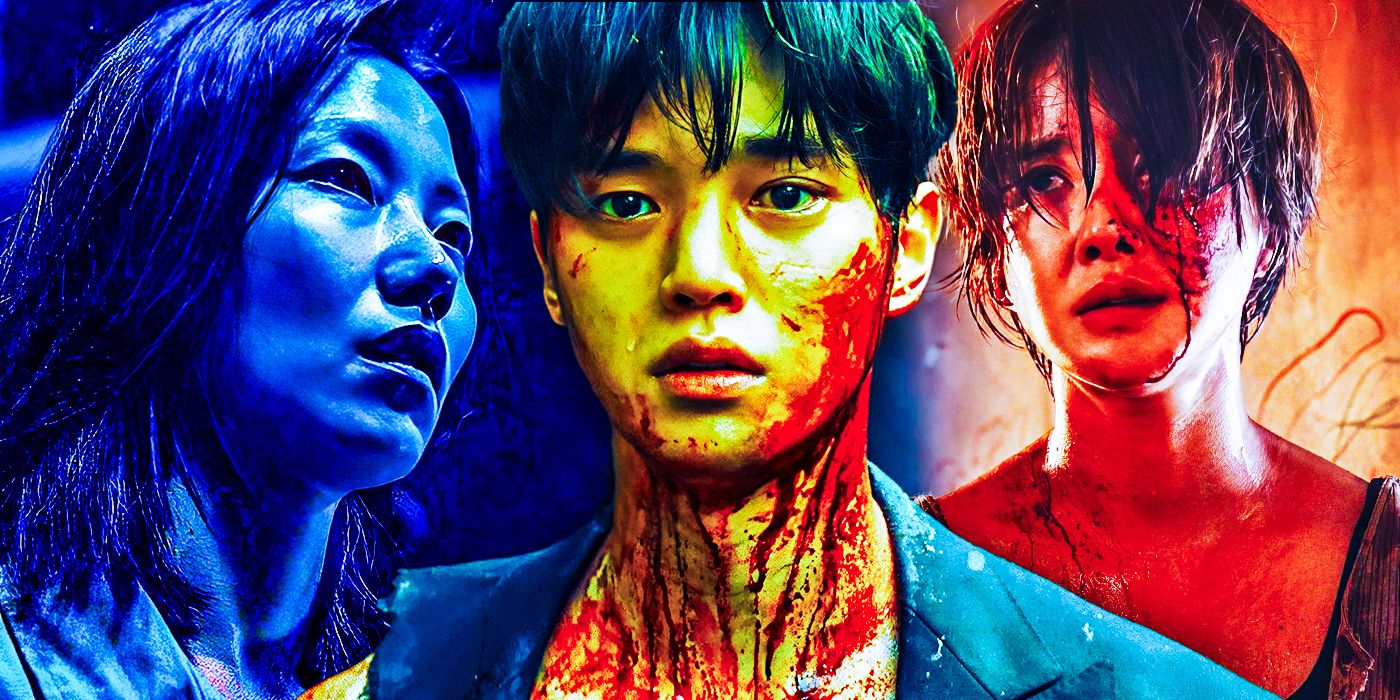
Most people who binge-watch Netflix’s Sweet Home come for the terrifying monsters—the protein-obsessed hulks and the "blind" creatures that hunt by sound. But they stay for Cha Hyun-su. If you’ve seen the show or read the original Webtoon by Carnby Kim and Young-chan Hwang, you know this kid is a mess. When we first meet the Sweet Home main character, he’s a shut-in. He's literally planning his own death. He’s got no family left, no friends, and frankly, no reason to keep going until the world actually starts ending.
It’s weirdly poetic.
Hyun-su is played by Song Kang in the live-action adaptation, and honestly, the casting was a bit of a risk at first because Song Kang is, well, very handsome. But he nails that hollow-eyed, greasy-haired look of a teenager who hasn't seen sunlight in months. He’s the heart of Green Home, the crumbling apartment complex where the story takes place, yet he's also the biggest threat to everyone inside.
The Tragic Backstory of Cha Hyun-su
You can't talk about the Sweet Home main character without digging into the trauma that made him. He wasn't always a loner. In fact, he was a kind kid who tried to be nice to a wealthy classmate, which—in the brutal world of K-drama tropes—backfires spectacularly. He gets bullied. Not just "pushed in the hallway" bullied, but life-ruiningly tortured. His father, instead of helping, prioritizes his job at the bully’s father's company.
It’s heartbreaking.
By the time the monsterization curse hits South Korea, Hyun-su is living in a tiny unit in Green Home, survives on instant ramen, and has a countdown on his phone for his suicide date. Then, the neighbors start turning into their deepest, darkest desires.
The central hook of Sweet Home isn't a virus. It’s a curse. People turn into monsters based on their internal greed or obsession. Because Hyun-su’s primary internal state is a mix of suicidal ideation and a desperate, buried need for a family, he becomes something different. He becomes a "special infectee."
What Makes a Special Infectee?
Most people give in. They hear a voice in their head—a manifestation of their "monster self"—and they surrender. The monster takes over, and the human soul is trapped in a dream world where their desire is fulfilled.
Hyun-su doesn't do that.
He resists. For basically the entire first season and much of the subsequent story, the Sweet Home main character exists in a state of "half-monster." He has the black eyes and the regenerative powers, but he keeps his human consciousness. He’s essentially a ticking time bomb that the other residents of Green Home use as a tool.
It’s a gritty dynamic. The leader of the survivors, Lee Eun-hyuk, recognizes that Hyun-su is the only one who can go out into the hallways to run errands or fight off the big threats because he heals instantly. He’s a sacrificial lamb who’s already given up on life, so he doesn't mind the danger.
Evolution Across the Seasons
If you watched Season 1, you saw a boy. By Season 2 and 3, he’s a weapon.
The transformation of the Sweet Home main character is visual and psychological. In the Webtoon, his monster form is a giant knight—a reflection of his desire to protect. In the Netflix series, it’s a massive, jagged wing made of what looks like obsidian or hardened blood. It’s beautiful and horrifying at the same time.
Song Kang’s performance shifts as the show progresses. He goes from being almost catatonic to being this stoic, god-like figure trying to save a world that mostly fears him. There’s a specific scene in the later seasons where he has to face the reality that he might not be the "hero" everyone needs. He might just be the first of a new species.
Lee Do-hyun’s character, Eun-hyuk, provides a perfect foil here. While Hyun-su is all emotion and struggle, Eun-hyuk is cold logic. Their relationship defines the stakes. Can a human remain human when their body is literally trying to turn them into a beast?
The Monster Inside
The voice in Hyun-su’s head is the most chilling part of his character arc. It mocks him. It tells him that humans are the real monsters—which, given the behavior of some of the military and civilian characters we meet, isn't exactly a lie.
The Sweet Home main character represents the struggle between nihilism and hope. Every time he uses his powers, he risks losing himself. It’s not like a superhero movie where the powers are a gift. Here, they’re a debt. And the interest rate is his soul.
Comparing the Webtoon to the Netflix Series
A lot of fans argue about which version of the Sweet Home main character is better.
In the Webtoon:
- Hyun-su is more expressive about his love for a specific anime ("Maria from the Sky").
- His internal dialogue is much more prevalent.
- His monster form is more "heroic" in appearance.
In the Netflix series:
- The tone is much darker and more visceral.
- His relationship with the other residents feels more strained and lonely.
- The "special infectee" lore is expanded to include other characters like Sang-wook (played by Lee Jin-wook).
Honestly, both versions work. The Webtoon gives you a deeper look into his psyche, while the show gives you the physical weight of his burden. Seeing him drag that winged arm across the floor is something you just don't get the same way in a comic panel.
Why We Care About Cha Hyun-su
We live in a world that feels a bit like Green Home sometimes. Maybe not with literal monsters eating our neighbors, but with that sense of isolation. Hyun-su starts as the ultimate outsider. He’s the person you’d walk past on the street and never think twice about.
But when things go south, he’s the one who steps up. Not because he’s brave, but because he has nothing left to lose.
The Sweet Home main character resonates because he’s a survivor of trauma who chooses to be kind in a world that was never kind to him. That’s a powerful message. He could have easily become a monster that killed everyone who ever looked down on him. Instead, he becomes their shield.
Surprising Details You Might Have Missed
- The Hair Symbolism: Notice how Hyun-su’s hair changes. When he’s at his lowest, it covers his eyes. As he starts to take responsibility, we see more of his face.
- The Music: The use of "Warriors" by Imagine Dragons in the first season was divisive, but it was meant to signal Hyun-su's internal shift from victim to combatant.
- The Apartment Number: 1410. In some numerology circles, 14 is associated with change and 10 with completion. Whether intentional or not, it fits his arc of total transformation.
How to Lean Into the Sweet Home Experience
If you're looking to dive deeper into the world of the Sweet Home main character, don't just stop at the Netflix show.
First, read the original Webtoon on the Naver Webtoon platform. The pacing is different, and the ending of the original source material hits a very different emotional note than the series. It provides a much clearer explanation of the "Soul" aspect of the monsterization.
Second, check out the prequel Webtoon titled Shotgun Boy. It takes place in the same universe and gives more context on how the "monsters" work and where they come from. It features a different protagonist but enriches Hyun-su’s story significantly by expanding the lore.
Finally, if you’re watching the series for the first time, pay close attention to the background noise. The creators used specific sound design to mimic the "inner voice" that Hyun-su hears. Using a good pair of headphones makes the experience much more immersive—and much creepier.
Hyun-su’s journey isn't just about fighting monsters; it's about the refusal to become one. Whether he's a kid with a laptop or a creature with a wing of blades, he remains one of the most compelling protagonists in modern horror because he's fundamentally, stubbornly human.
To truly understand his arc, watch for the moments where he doesn't fight. It's in those quiet, human interactions—protecting the kids, sharing a small meal, or just sitting on the roof—where the true strength of the Sweet Home main character lies. He proves that even if you're "broken," you can still be the piece that holds everything else together.
Make sure to watch the final season with an eye on his eyes. The flicker between the black "monster" iris and the human one tells you everything you need to know about who is winning the war for his soul. It's a masterclass in visual storytelling that makes Hyun-su more than just another action hero. He's a reminder that our desires don't have to define us, especially the dark ones.