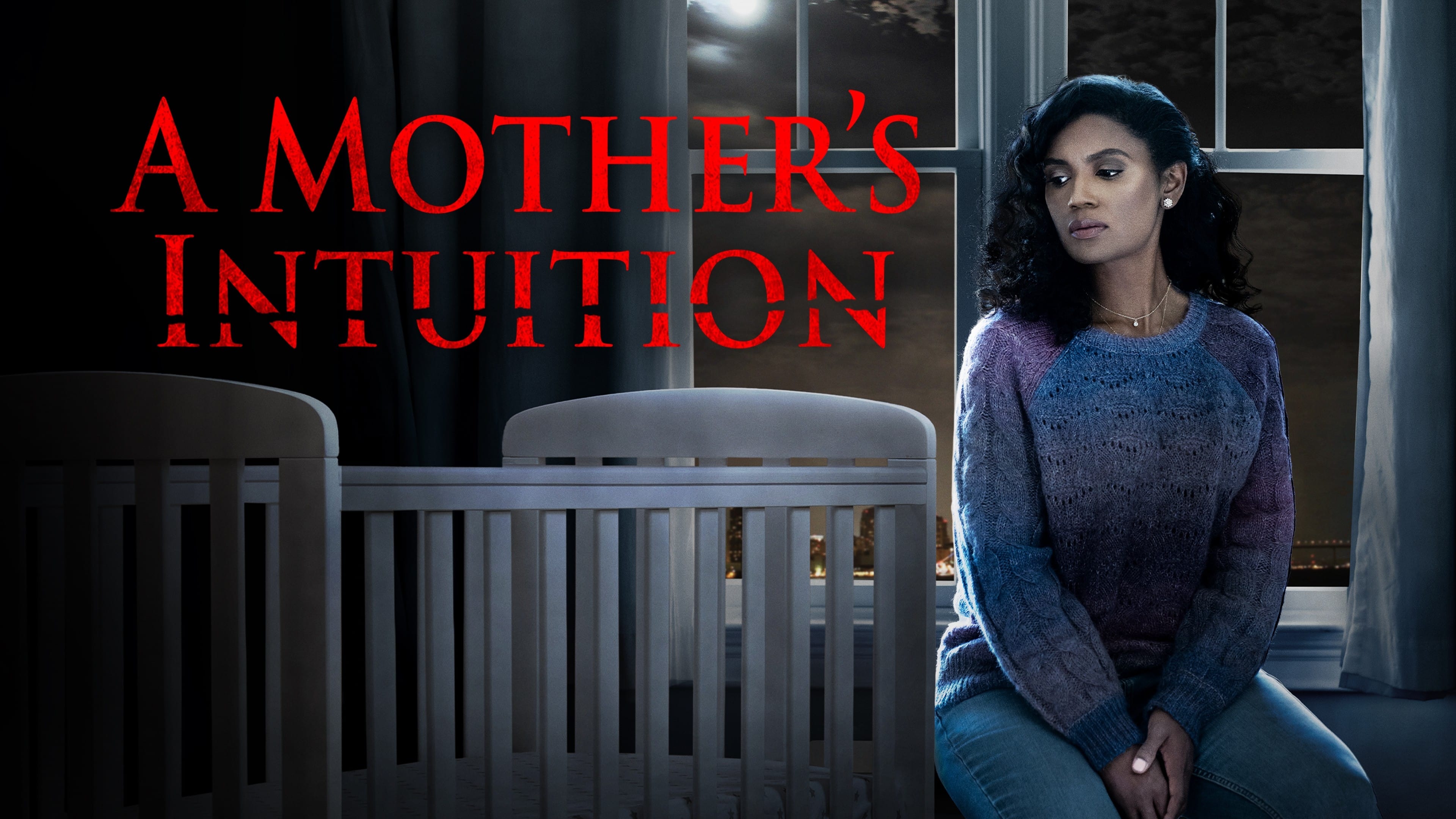
You know that feeling. It’s that tiny, nagging itch at the back of your brain telling you something is just off. Most people brush it off as anxiety or lack of sleep, but in the world of cinema—especially the "woman in peril" genre—that itch is usually a life-saving superpower. Honestly, if more characters listened to their gut in the first ten minutes, these movies would be short films.
When we talk about A Mother’s Intuition movie, specifically the 2023 Lifetime original directed by Cas Sigers-Beedles, we’re looking at a trope that has existed since the dawn of storytelling, yet it still manages to hook us. Why? Because it taps into a primal fear. The idea that you know the truth, but the entire world—the doctors, the police, even your own family—is gaslighting you into believing you’re "just hormonal" or "traumatized."
It’s a specific kind of cinematic tension.
The 2023 film stars Denise Boutte as Toni, a brilliant sculptor who searches for her missing newborn after being told the baby never existed. It sounds like a nightmare. It is. But it’s also a fascinating case study in how we view maternal instincts in popular culture. We’ve seen variations of this in Flightplan with Jodie Foster or Bunny Lake Is Missing, but this specific TV movie leans hard into the systemic ways women, particularly Black women in the medical system, are ignored.
What Actually Happens in A Mother’s Intuition Movie?
Toni is successful. She’s grounded. Then, the unthinkable happens. She gives birth, she sees her baby, and then... nothing. The hospital staff acts like she’s had a psychotic break. The "missing baby" plot is a staple of the thriller genre, but here, the stakes feel claustrophobic because the setting is so sterile.
The script, penned by Sigers-Beedles herself, doesn’t just rely on jump scares. It relies on the psychological erosion of a woman’s confidence. If you've ever been told by a doctor that your pain is "just stress," you’ll feel this movie in your bones.
Denise Boutte delivers a performance that is frantic but anchored. She isn't just playing "crazy"; she's playing "right." That’s the distinction. The audience is in on the secret from the jump. We know she’s not imagining it. This creates a specific kind of viewer frustration—the "scream at the TV" energy—that makes these movies so bingeable on a Sunday afternoon.
The supporting cast, including Tamar Braxton as Dr. Sills, adds layers to the mystery. Having Braxton in a more restrained, professional role is an interesting pivot from her reality TV persona. She serves as a foil to Toni’s desperation, representing the "logical" medical establishment that feels increasingly like a prison.
Why We Can't Stop Watching Maternal Instinct Thrillers
It’s not just about the mystery. It’s about validation.
There is a long history of movies centered on this theme. Think about the classic Rosemary’s Baby. The horror isn’t just the devil; it’s the fact that everyone around Rosemary is telling her that her physical discomfort and her suspicions are all in her head.
- The Forgotten (2004) took this to a sci-fi level, where a mother (Julianne Moore) is told her son never existed.
- Changeling (2008) showed the historical reality of how the state used mental health labels to silence mothers who questioned the status quo.
- In A Mother’s Intuition movie, the villain isn't a supernatural entity. It’s a conspiracy of silence.
Psychologists often talk about "thin-slicing"—the ability of our unconscious to find patterns in situations and behavior based on very narrow windows of experience. That’s basically what intuition is. It’s not magic. It’s your brain processing data faster than your conscious mind can keep up with.
When a film portrays this accurately, it resonates. We like seeing someone fight through the "hysteria" label to find the truth. It’s a revenge fantasy against every time we’ve been dismissed.
The Reality of Medical Gaslighting
While the movie is a fictional thriller, the core conflict is rooted in a very real, very documented phenomenon.
Studies from institutions like the Journal of Women's Health have repeatedly shown that women’s symptoms are frequently dismissed by medical professionals compared to men’s. For Black women, the statistics are even more harrowing, particularly regarding maternal mortality and postnatal care.
When Toni is told her baby is a hallucination, it’s an extreme version of a daily reality for many. The movie uses the "thriller" framework to mask a pretty biting social commentary. The hospital isn't a place of healing; it's a bureaucracy that protects itself before its patients.
Breaking Down the Cast and Production
This isn't a big-budget Hollywood blockbuster with a $100 million marketing spend. It’s a Lifetime movie. But that’s its strength. These films are designed for a specific kind of engagement. They are fast-paced. They are high-stakes. They don't waste time on 20-minute shots of a character staring at a sunset.
Denise Boutte carries the weight. You might recognize her from Meet the Browns or Why Did I Get Married?. She has a way of portraying vulnerability that doesn't feel weak.
Tamala Jones also appears, bringing that veteran TV presence that stabilizes the narrative.
The direction by Cas Sigers-Beedles is efficient. She knows her audience. She knows that we want to see the mother win. We want to see the moment the "sane" people realize they were wrong. It’s the ultimate payoff.
Is It Worth a Watch?
Look, if you want Inception-level complexity, this isn't it. But if you want a movie that understands the visceral, terrifying bond between a parent and child, it hits the mark.
It’s a "popcorn" thriller with a heartbeat.
The plot moves quickly. One minute she's in the hospital, the next she's an amateur detective. There are moments where you have to suspend your disbelief—like how easily she can navigate certain security hurdles—but that's part of the charm.
The cinematography is standard for TV—bright, clear, and focused on the actors' faces. It’s not trying to be The Revenant. It’s trying to tell a story about a woman who refuses to be erased.
The Ending and the Message (No Spoilers)
Without giving away the final twist, the movie concludes in a way that satisfies the "intuition" premise. It reinforces the idea that your gut is a tool.
It’s about the reclamation of identity.
Toni begins the film as a woman defined by her career and her pregnancy. She ends it as a warrior who has survived a psychological war. That’s the arc. That’s why these movies get millions of views every time they air or hit a streaming platform like Tubi or Hulu.
How to Sharpen Your Own Intuition
Watching a movie like this usually leaves people thinking about their own lives. We’ve all had those "I knew it" moments.
Here is how you can actually apply the "intuition" logic to your daily life, minus the kidnapping plots:
- Check the Physical Cues: Intuition isn't a "voice." It's usually a physical sensation. A tight chest, a knot in the stomach, or a sudden chill. Pay attention to when your body reacts before your brain does.
- Separate Fear from Gut: Fear is loud and chaotic. It’s usually a list of "what ifs." Intuition is quiet, calm, and neutral. It just says, "don't go there" or "check that again."
- Keep a "Gut Journal": Honestly, this sounds cheesy, but it works. Write down when you had a hunch and whether it turned out to be right. You’ll start to see patterns.
- Demand Evidence: Like Toni in the movie, don't just accept "no" for an answer if your body is telling you "yes." Ask for records. Seek second opinions.
Final Thoughts on the Genre
A Mother’s Intuition movie is part of a larger tapestry of "domestic thrillers." We love them because the home and the hospital are supposed to be the safest places on earth. When those spaces become the source of the threat, it’s terrifying.
If you're looking for a film that validates the power of a mother's bond while providing a few "gasp" moments, this is a solid choice for your next movie night.
To dive deeper into this genre or if you're looking for your next watch, start by looking at the filmography of Cas Sigers-Beedles. She has a knack for these female-led narratives. You could also check out the "Ripped from the Headlines" collection on Lifetime for stories that lean more into true-crime territory. If you want something more cinematic, the 2008 film Changeling offers a much darker, historical look at the same theme of a mother being told her child isn't hers. Whatever you choose, remember that the most dangerous person in a thriller isn't the one with the gun—it's the one who knows the truth when no one believes them.